
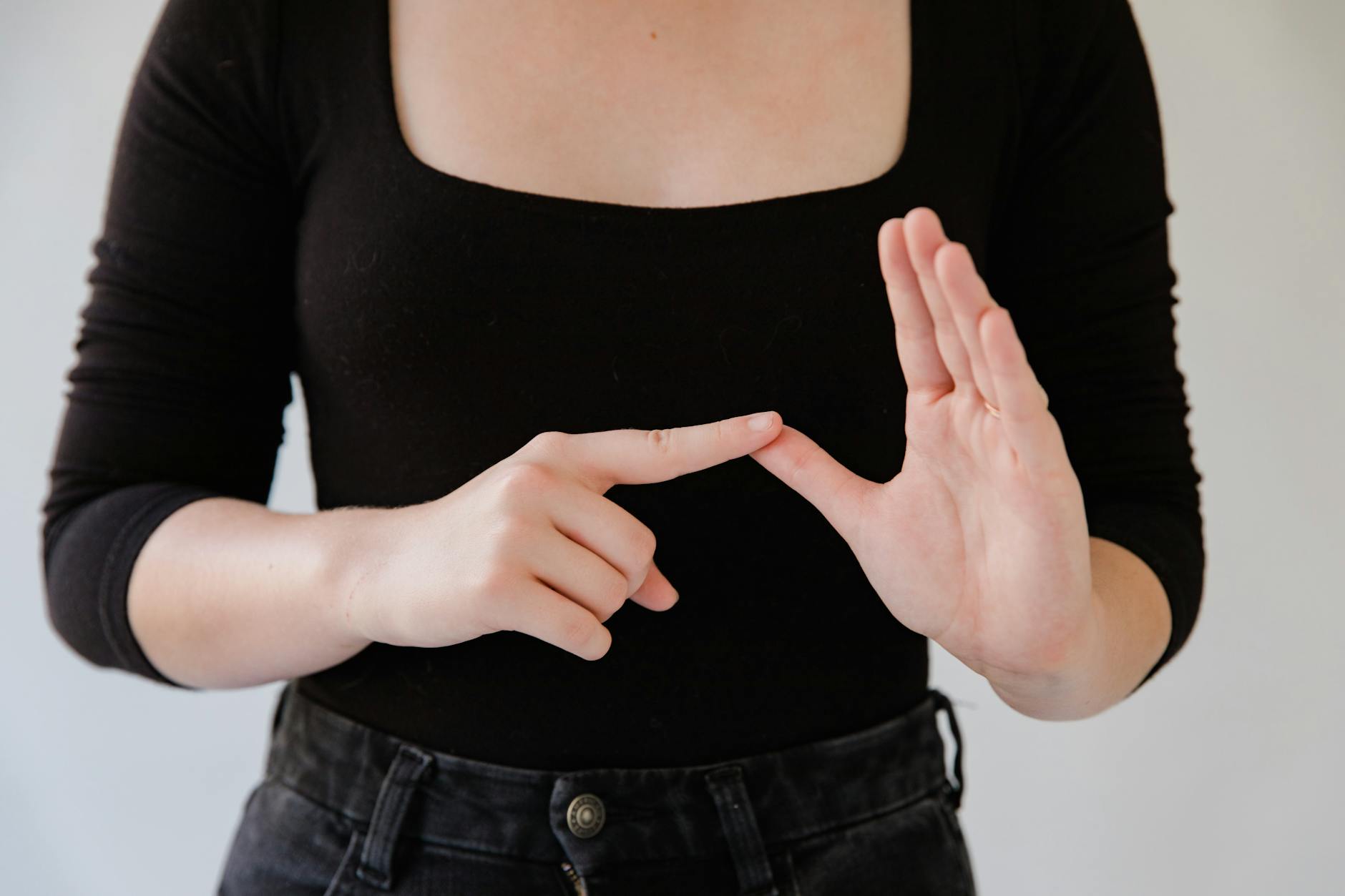
The baby sign language water sign is made by forming a “W” shape with your hand””extending your pointer, middle, and ring fingers while tucking the thumb and pinkie into your palm””then tapping or bouncing this W shape on your chin two or three times. This simple gesture gives your baby the ability to communicate one of their most fundamental needs before they can speak the word aloud. Water ranks among the first signs babies learn, and for good reason.
Unlike many signs that apply to narrow situations, the water sign works across countless daily contexts: when your child is thirsty and wants a drink, during bath time, when it starts raining outside, or when you visit a pool or splash pad. A parent signing “water” while filling the bathtub each evening, for instance, creates a natural learning opportunity that requires no special teaching session or dedicated practice time. This article covers when your baby is developmentally ready to learn the water sign, why the W handshape presents unique challenges for small hands, practical strategies for teaching this sign effectively, and how to recognize your baby’s own variations of the gesture as valid communication.
Table of Contents
- How Do You Form the Water Sign in Baby Sign Language?
- When Can Babies Learn the Water Sign?
- Why Water Makes an Ideal Early Sign
- Common Challenges with the Water Sign
- Using Water Sign in Different Contexts
- What Happens After Your Baby Learns the Water Sign
- Conclusion
How Do You Form the Water Sign in Baby Sign Language?
The mechanics of the water sign come from American Sign Language, where the letter W is used to represent the first letter of “water.” Adults form this by holding up three fingers””the pointer, middle, and ring finger””while the thumb crosses over to hold down the pinkie against the palm. The three extended fingers create the visual impression of the letter W. Once you have the W handshape, you bring it to your chin and tap the underside of your chin with your index finger two or three times. Some teachers describe this as a gentle bouncing motion rather than a firm tap.
The location matters because other W-based signs exist in ASL, and the chin placement specifically indicates water. However, expecting your baby to replicate this sign precisely would be unrealistic. The W handshape is considered phonologically complex””meaning it requires fine motor control that develops gradually. Babies typically master simpler handshapes first, such as open palms and fists, before progressing to V shapes with two fingers, and finally W shapes with three fingers. Your ten-month-old might tap their chin with an open hand or just one finger, and that counts as successful communication.
When Can Babies Learn the Water Sign?
The window for introducing signs opens earlier than many parents expect. Experts suggest starting to use signs around your baby between four and six months of age. At this stage, your baby absorbs the visual information even though they cannot yet produce signs themselves. Think of it as building comprehension before production””the same way babies understand spoken words before they speak them. Most babies begin signing back between six and nine months old, though considerable individual variation exists. Some babies sign at six months while others do not produce their first sign until eight months or later.
This timeline depends on factors including motor development, temperament, how consistently caregivers use signs, and simply each child’s unique developmental path. A common concern among parents is whether their baby is “behind” if they have not signed by a certain age. The research does not support this worry. Babies will sign about their needs once they understand that signing effectively communicates those needs to the adults around them. If your eight-month-old has not yet signed water despite weeks of exposure, continuing consistent use typically leads to results. Stopping too early means losing the investment you have already made.
Why Water Makes an Ideal Early Sign
Water earns its place among starter signs because of sheer frequency. Every baby needs fluids multiple times daily, creating built-in repetition opportunities. Contrast this with a sign like “elephant,” which only becomes relevant during zoo visits or while reading specific picture books. The water sign can appear at breakfast, lunch, dinner, bath time, outdoor play when the sprinkler runs, and rainy afternoons at the window. The sign also grows with your child’s expanding world. In the earliest months, water might primarily mean drinking from a bottle or sippy cup. Later, it encompasses bath time rituals, puddle stomping, swimming lessons, and eventually the water fountain at the park. This longevity means the water sign remains useful long after your child begins speaking, since toddlers often revert to signs when tired, upset, or when their pronunciation is not yet clear enough for unfamiliar adults to understand. There is a practical benefit for parents too: once babies drink fluids other than milk, teaching signs for different liquids helps them specify what they want. A toddler who can distinguish between milk, water, and juice through signs throws fewer tantrums born of miscommunication. The water sign becomes part of a small vocabulary that addresses daily needs with precision.
## Practical Tips for Teaching the Water Sign Consistency matters more than quantity when teaching any baby sign. Signing water once during every drink over the course of a week creates stronger learning than an intensive five-minute practice session followed by days of forgetting. Build the sign into existing routines rather than adding new teaching activities to an already full day. Before handing over the sippy cup, hold it up and sign water while saying the word aloud. The combination of spoken word, visual sign, and the tangible cup creates a rich learning moment. Some parents sign only when asking if the baby wants water, while others sign when giving water, and the most effective approach combines both. “Do you want water?” paired with the sign, followed by “Here is your water” with the sign again, doubles the exposure. Bath time offers another natural context””signing water while the tub fills or while splashing together reinforces the concept without feeling like a lesson. One tradeoff to consider involves when to start emphasizing the correct handshape. Early on, accepting any approximation encourages your baby to keep communicating. However, as fine motor skills develop, gently modeling the correct W shape helps prevent fossilization of an imprecise version. There is no single right moment for this transition, but generally after your child has used the approximate version reliably for a month or two, you can begin occasionally showing the precise handshape while still responding to their version.
Common Challenges with the Water Sign
The phonological difficulty of the W handshape creates the primary obstacle for babies learning this sign. Small hands lack the independent finger control needed to extend three fingers while keeping two tucked away. You may see your baby attempt the sign with all fingers splayed, or with just an index finger tapping the chin, or even with a closed fist. All of these attempts deserve recognition and response because they represent genuine communication efforts. Another challenge arises when babies develop their own variations that differ substantially from the standard sign. A baby might rub their chin instead of tapping, or touch their cheek instead of their chin.
These idiosyncratic versions are normal and expected in early signing. The key is consistency within your family””if everyone recognizes the baby’s chin rub as meaning water and responds appropriately, communication succeeds even without textbook form. A limitation worth noting: some babies show little interest in signing even with consistent exposure. This does not indicate a problem with the child or the teaching approach. Some children are more vocally oriented from the start and may skip signing in favor of early babbling and attempts at spoken words. Forcing the issue creates stress without benefits. If your baby seems uninterested after a few months of casual exposure, it is acceptable to let signing fade into the background.
Using Water Sign in Different Contexts
The versatility of the water sign provides natural extension opportunities. When rain begins falling, signing water at the window while saying “rain, water is falling from the sky” connects the sign to a new context. At the swimming pool, signing water before getting in teaches your child that the sign applies to large bodies of water, not just what comes from a cup.
A specific example illustrates this expansion: imagine your toddler watching you water the garden with a hose. Signing water while spraying the plants, then letting them hold the hose briefly while you sign again, builds the concept that water is water regardless of the container or context. This kind of teaching happens organically rather than through formal instruction.
What Happens After Your Baby Learns the Water Sign
Once your baby reliably uses the water sign, two developments typically follow. First, they become more motivated to learn additional signs because they have experienced the power of nonverbal communication. A baby who has successfully requested water through signing understands that this gesture system works. Second, their spoken language often accelerates rather than delays. Research confirms that signing supports language development by reinforcing the connection between symbols and meaning.
Many parents wonder when to phase out signing as speech develops. The transition usually happens naturally. As your toddler’s pronunciation becomes clearer, they rely less on signs and more on words. However, signs often persist as backup communication during emotional moments, illness, or when speaking with mouth full at the dinner table. There is no need to actively discourage signing once talking begins.
Conclusion
The water sign offers one of the most practical entry points into baby sign language, combining high frequency of use with meaningful communication about a basic need. Forming the W handshape and tapping the chin may seem simple for adults, but remember that your baby will likely produce approximations before achieving the full gesture””and those approximations count as real communication.
Start incorporating the water sign into daily routines when your baby is between four and six months old, respond enthusiastically to any attempts they make, and accept that mastery develops gradually over months rather than days. Whether your child becomes an enthusiastic signer who learns dozens of gestures or uses just a handful of basic signs before transitioning to speech, the water sign provides a concrete way to reduce frustration and deepen your communication during the pre-verbal months.