
The “snack” sign in baby sign language is made by placing your non-dominant hand palm-up like a plate, then using your dominant hand with thumb and index finger touching at the tips to mime picking up small bites of food and bringing them toward your mouth twice. This simple gesture mimics the natural motion of eating finger foods, making it intuitive for both parents and babies to learn and remember. When your 10-month-old starts rubbing their eyes and getting fussy mid-morning, having a sign they can use to tell you they need a snack can prevent a full meltdown before it starts. The snack sign ranks among the most practical signs for toddlers precisely because children this age need to eat frequently to stay regulated, yet they lack the verbal skills to express this need clearly.
A child who knows the snack sign can communicate hunger before frustration sets in, which benefits everyone in the household. Beyond just teaching this single sign, understanding how to introduce it effectively requires knowing when babies are developmentally ready, what research says about signing benefits, and how to integrate signs into daily routines without adding stress to an already demanding stage of parenting. This article covers the mechanics of teaching the snack sign, the developmental timeline for baby signing, research-backed benefits and limitations, and practical strategies for making signs stick. Whether you are just starting to explore baby sign language or looking to expand your child’s signing vocabulary around mealtimes, the information here will give you a realistic picture of what to expect.
Table of Contents
- How Do You Teach the Snack Sign to a Baby?
- What Makes the Snack Sign Different from Other Food Signs
- When Are Babies Ready to Learn Sign Language?
- What Does Research Say About Baby Sign Language Benefits?
- Common Mistakes When Teaching Baby Signs
- Why the Snack Sign Matters for Emotional Regulation
- Looking Beyond the Snack Sign
- Conclusion
How Do You Teach the Snack Sign to a Baby?
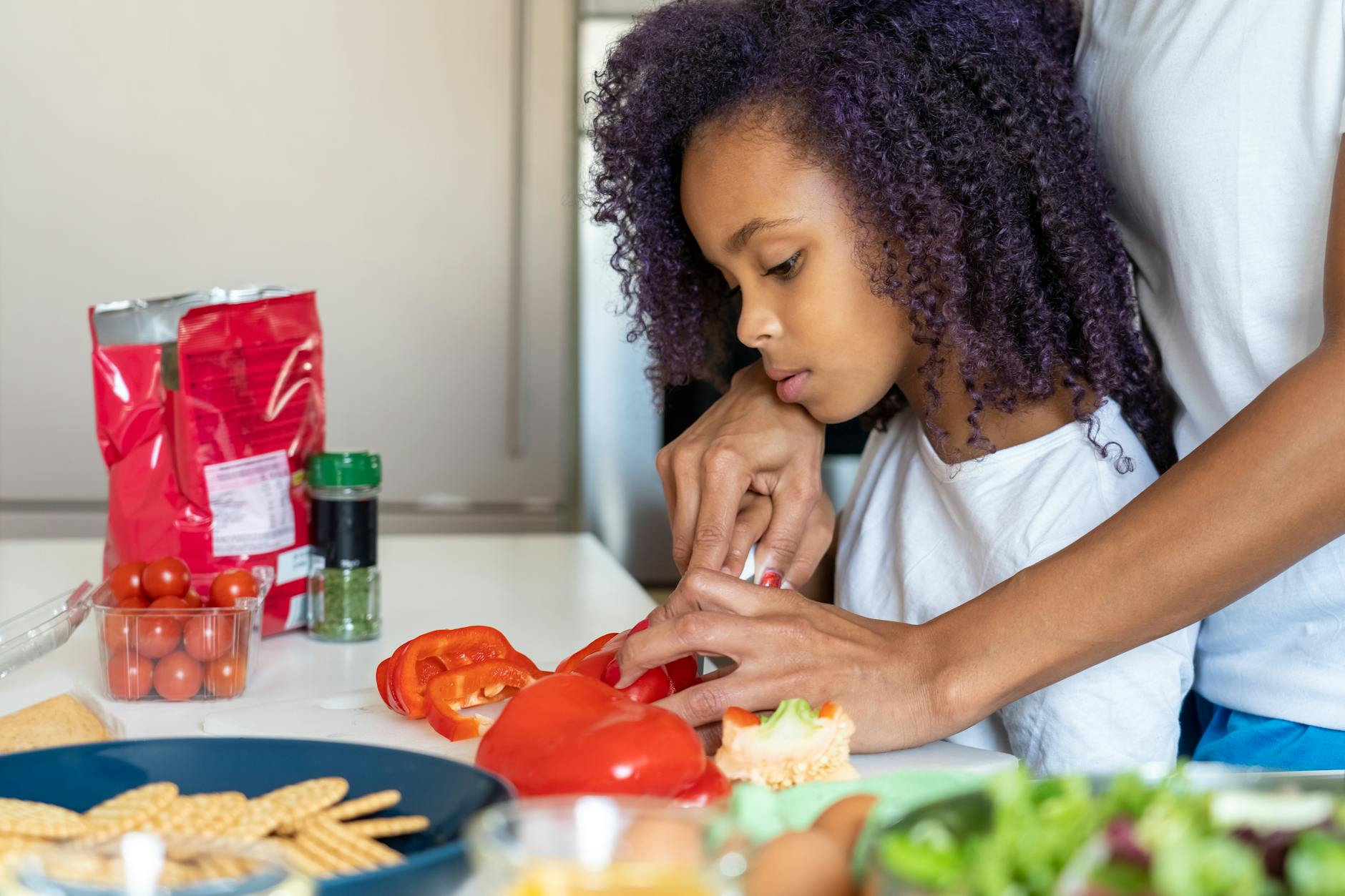
Teaching the snack sign requires consistency and patience more than any particular technique. Start by making the sign yourself every time you offer your baby a snack, saying the word “snack” aloud as you sign it. Position yourself so your baby can see both your hands and your face clearly. With your non-dominant hand held flat and palm-up in front of your body, use your other hand to pinch your thumb and index finger together and move them from the “plate” hand toward your mouth in a small arc, repeating the motion twice without actually touching your lips. Many parents find success with “hand over hand” assistance, which involves gently guiding your baby’s hands through the motion of the sign.
Babies are typically ready for this kind of guided practice around six months of age, when they start developing the fine motor control and attention span needed to imitate gestures. For example, before handing your child their morning cheerios, you might sign “snack” yourself, then gently shape their hands to make the sign, then give them the snack immediately so the connection between sign and reward is clear. The timeline for results varies considerably between children. Most babies begin independently producing signs somewhere between 8 and 12 months old, with parents typically seeing their baby start mimicking signs about two months after consistent teaching begins. Some children pick up signs faster than spoken words, while others show the opposite pattern. If your baby is 11 months old and still not signing back after three months of practice, that falls within normal variation and is not necessarily a cause for concern.
What Makes the Snack Sign Different from Other Food Signs
The snack sign occupies a useful middle ground in a baby’s food vocabulary. While signs for specific foods like “milk,” “banana,” or “cracker” point to particular items, the snack sign functions as a general request that covers anything a child might eat between meals. This makes it especially valuable during the transition from bottles or breastfeeding to solid foods, when the variety of things a child eats expands dramatically but their ability to name specific items remains limited. However, the generality of the snack sign can sometimes work against you.
A toddler signing “snack” might want grapes, crackers, cheese, or something entirely different, and you may need to play a guessing game or offer choices until you land on the right thing. Some families address this by teaching the snack sign first as an all-purpose request, then gradually adding signs for three or four favorite snack foods. Once a child masters “snack,” “cracker,” and “banana,” they can combine signs or parents can hold up options for the child to point at or sign. The motion of the snack sign itself reinforces the eating concept in a way that more abstract signs do not. Because it mimics the physical action of picking up finger foods and bringing them to your mouth, children often find it easier to remember and produce accurately compared to signs with more arbitrary hand shapes.
When Are Babies Ready to Learn Sign Language?
babies become developmentally ready to attend to and imitate gestures around six months of age, though this does not mean they will produce signs independently right away. At six months, you are laying groundwork by exposing your baby to signs consistently and beginning hand-over-hand practice if your child tolerates it. The goal at this stage is familiarity and pattern recognition, not performance. Independent sign production typically emerges between 8 and 12 months, varying based on the child’s motor development, temperament, and how consistently caregivers have been signing. A baby who sees the snack sign three times a day from one parent will likely pick it up faster than one who sees it sporadically from multiple caregivers using slightly different hand shapes.
Consistency matters more than frequency, though both play a role. If your baby is older than the typical window when you start, that does not mean you have missed your chance. Children can learn signs at any age before they develop full verbal fluency, and older babies sometimes pick up signs faster precisely because their motor skills and cognitive abilities are more developed. A 14-month-old starting from scratch might begin signing back within weeks rather than months. The main limitation is that as verbal language develops, the practical need for signs decreases, so starting after 18 months may yield fewer benefits simply because your child will soon be able to say the words instead.
What Does Research Say About Baby Sign Language Benefits?
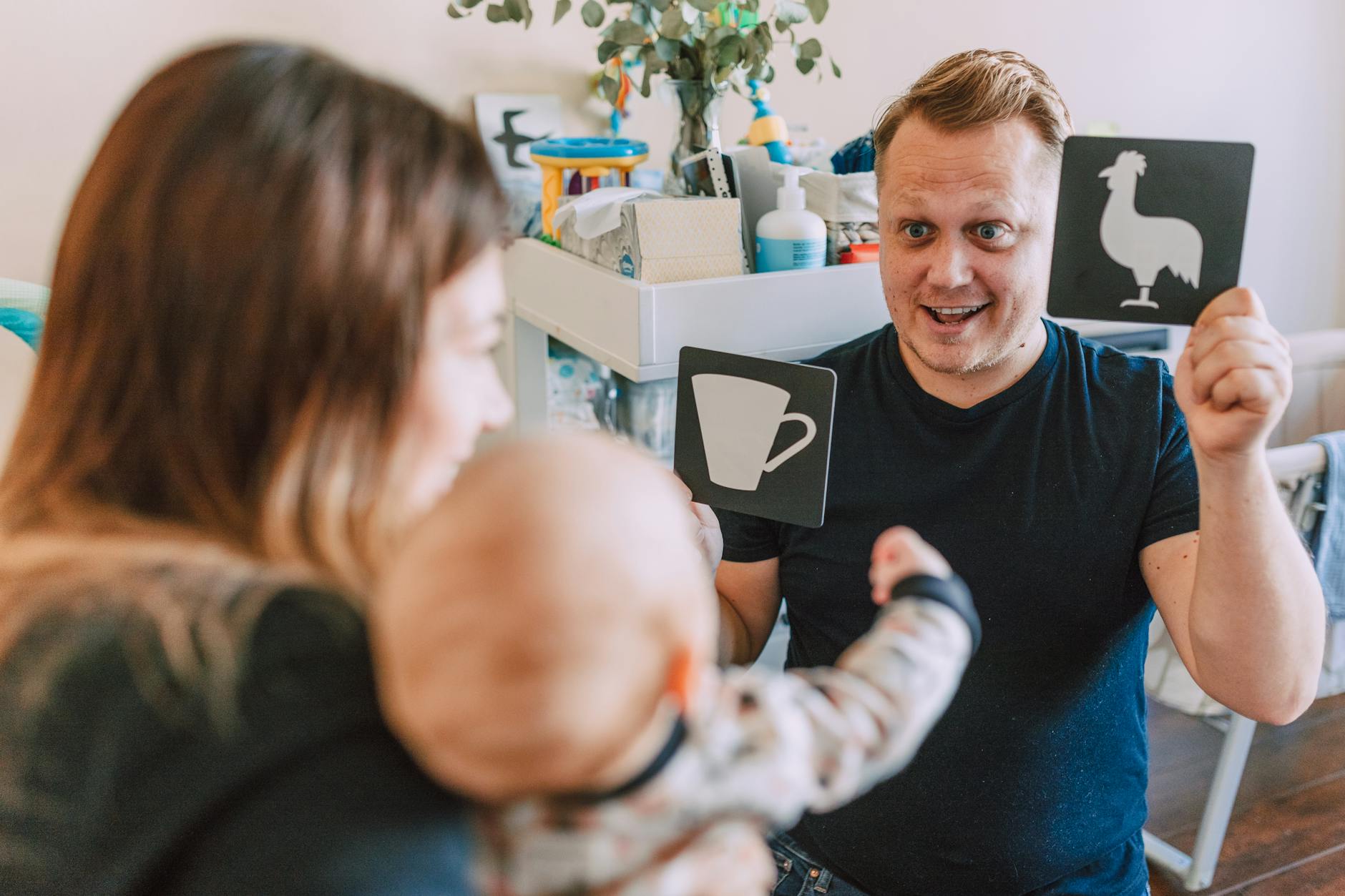
A National Institute of Health-funded study conducted by Acredolo, Goodwyn, and Brown in 2000 compared outcomes across three groups: 32 children taught to sign, 32 children given extra verbal training without signs, and 39 control children. At 15, 19, and 24 months, the signing children demonstrated statistically higher receptive and expressive language outcomes than both other groups. A follow-up assessment at age eight found that children who had signed as infants scored an average of 12 IQ points higher than their non-signing peers. Additional research found that by age two, signing babies had significantly larger vocabularies than non-signing peers, and by age three, their language skills matched those of typical four-year-olds. Parents who used signs with their babies reported experiencing less stress and frustration and described themselves as more affectionate with their children. These benefits appear to stem from reduced communication breakdowns and the positive feedback loop created when babies successfully express their needs. However, the research picture is not uniformly glowing. A controlled 2013 study found that the benefits of baby signing may be more pronounced for children with weaker baseline language skills rather than providing equal advantages to all toddlers. If your child is already hitting language milestones early, signing may offer fewer measurable cognitive benefits, though it can still reduce frustration and strengthen parent-child connection. What no reputable research has shown is that signing causes language delays in typically developing children, so concerns about signs replacing spoken words are not supported by evidence.
## How to Make the Snack Sign Stick in Daily Life The most effective approach to teaching any baby sign is embedding it in routines that already exist rather than creating separate “practice sessions.” Every time you prepare a snack, hand over a snack, or eat a snack yourself, make the sign and say the word. The repetition happens naturally because snacking happens multiple times per day. Contrast this with trying to drill signs during a dedicated 10-minute practice window, which feels artificial and often falls apart when life gets busy. There is a tradeoff between the number of signs you introduce and how quickly your baby masters each one. Starting with just three to five high-frequency signs like “more,” “all done,” “milk,” “eat,” and “snack” gives your baby a solid foundation without overwhelming either of you. Some parents get excited and try to introduce 20 signs at once, which typically results in the child learning none of them well. Depth beats breadth in the early stages. Getting other caregivers on board presents a real challenge for many families. If one parent signs consistently but a daycare provider or grandparent does not, progress slows. Brief demonstrations, a printed reference sheet, or short video clips showing exactly how to make priority signs can help. The snack sign is a good one to prioritize for secondary caregivers because snack time happens in almost every childcare context.
Common Mistakes When Teaching Baby Signs
The most frequent error parents make is giving up too soon. When you have been signing “snack” for six weeks with no response, it feels pointless to continue. But babies are absorbing information long before they can produce it, and stopping just before they would have started signing back is a common pattern. Expect a minimum of two months of consistent signing before seeing results, and know that some children need longer. Another mistake involves expecting perfect hand shapes from young children.
A baby’s version of the snack sign might look more like a general grabbing motion toward their mouth than the precise pincer grip adults use. Accepting approximations and responding to them as if they were the correct sign reinforces your baby’s communication attempts. Over time, motor skills develop and the sign becomes more accurate, but penalizing imprecise early attempts by not responding teaches babies that signing does not work. Signing only when you remember to, rather than building it into habit, undermines progress significantly. If you sign “snack” at Monday’s morning snack but forget Tuesday through Friday, the pattern recognition that drives learning never solidifies. Setting a phone reminder, posting a sticky note on the snack cabinet, or other external cues can help during the weeks it takes to build automatic signing habits.
Why the Snack Sign Matters for Emotional Regulation
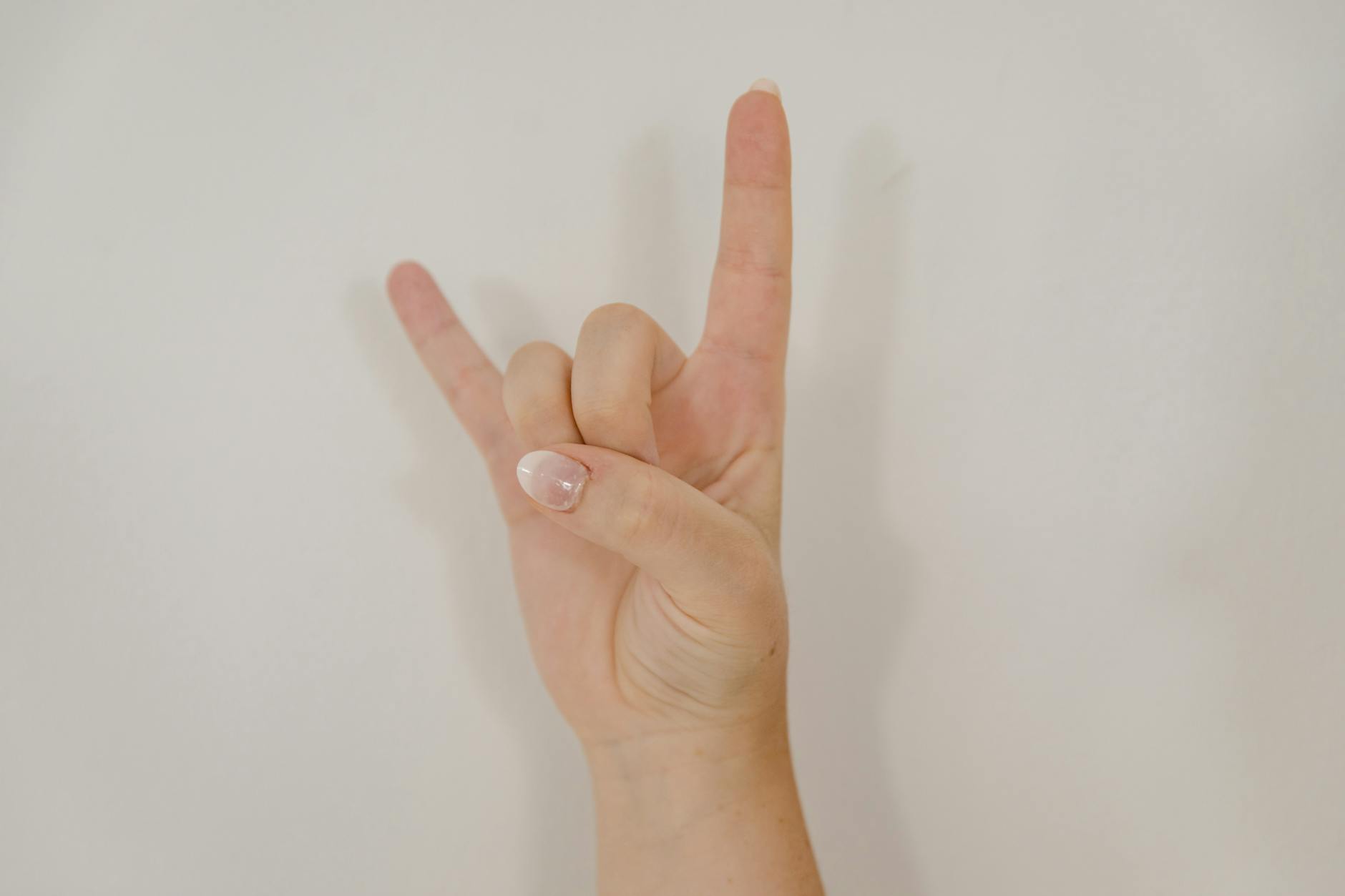
Toddlers experience big emotions partly because they have needs they cannot articulate. Hunger is a prime example: the physical sensation of low blood sugar creates irritability and distress, but a pre-verbal child cannot say “I’m hungry and need to eat something.” They can only express the discomfort through crying, whining, or tantrums. The snack sign gives them an alternative outlet.
When a child learns that making a specific hand motion results in food appearing, they gain a sense of agency over their environment. This is not just about getting snacks faster; it is about the psychological experience of being understood. Research showing that signing parents report less stress and more affection reflects this dynamic from the adult side, but the child’s experience mirrors it. Having a way to make needs known reduces the helplessness that fuels many toddler meltdowns.
Looking Beyond the Snack Sign
Once your child masters the snack sign, expanding their food-related vocabulary opens further communication possibilities. Signs for “water,” “more,” “all done,” “banana,” “cracker,” and “help” (for opening containers) create a functional mealtime toolkit. Each new sign follows the same teaching pattern: consistent modeling, hand-over-hand practice if tolerated, patient waiting for independent production.
The skills babies develop through signing extend beyond the signs themselves. Attending to caregivers’ hands, imitating gestures, and connecting symbols to meanings all support the same cognitive infrastructure that later enables spoken language. Whether or not you continue signing once your child starts talking fluently, the foundational work you do now contributes to their overall communication development.
Conclusion
The snack sign offers a practical, research-supported tool for reducing frustration during the months between when babies understand language and when they can speak it. By mimicking the motion of eating finger foods, this sign is intuitive to teach and often becomes one of the first signs babies produce independently. The key requirements are consistency in your own signing, realistic expectations about timelines, and patience during the receptive phase before your baby signs back.
Starting around six months with hand-over-hand guidance and continuing through the typical 8-to-12-month window for independent signing gives most families a realistic path forward. The research supporting baby sign language is encouraging without being miraculous, showing genuine benefits especially for children with weaker baseline language skills while finding no evidence of the speech delays some parents worry about. Teaching the snack sign is a low-risk investment that, for many families, yields meaningful returns in daily peace and parent-child connection.