
The best baby signs for early communication are **milk, more, all done, eat, and help**””these five foundational signs address a baby’s most frequent needs and are consistently recommended by child development experts. Starting with milk makes sense for most families since it relates to an experience babies have from birth, while more proves incredibly versatile across feeding, playtime, and reading contexts. A baby who can sign “help” when struggling with a toy or “all done” when finished eating gains a concrete way to express needs that would otherwise emerge as crying or fussing. The American Academy of Pediatrics recommends introducing signs around six months of age, though some parents begin even earlier.
Most babies start signing back between six and nine months, once they develop the motor control for intentional gestures. Contrary to a persistent misconception, research indicates that babies who learn signs often speak earlier rather than later””signing serves as a bridge to verbal communication, not a replacement for it. This article covers when to begin teaching signs, which specific signs offer the most practical value, research-backed benefits of baby signing, and realistic strategies for success. You will also find guidance on what to expect from your baby’s early signing attempts and how to troubleshoot common challenges.
Table of Contents
- Which Baby Signs Should You Teach First?
- When Can Babies Start Learning Signs?
- The Research Behind Baby Sign Benefits
- Common Challenges and Realistic Expectations
- Signs That Support Specific Developmental Goals
- Building from First Signs to Expanded Communication
- Conclusion
Which Baby Signs Should You Teach First?
The signs that prove most useful are those tied to daily needs and routines. **Milk** often becomes a baby‘s first sign because the concept is familiar from birth””some babies as young as two months old have been observed making the milk sign gesture when hungry.
**More** ranks among the most frequently cited first signs babies learn because it works in virtually any situation: more food, more tickles, more of a favorite book. For comparison, signs like **up** and **down** work well as a pair once your baby grasps the concept of opposites, while **change** for diaper changes can lay groundwork for eventual potty training communication. The sign for **where** reinforces joint attention and eye contact, making it useful for babies as young as three to six months even before they can sign it back.
- *All done** deserves a spot in your early repertoire because it helps babies understand and communicate about transitions. When a child can signal that they are finished with a meal or an activity, it reduces the anxiety that often accompanies abrupt changes. Similarly, **eat** and **help** address fundamental needs””hunger and the frustration of wanting assistance with something beyond their current abilities.
When Can Babies Start Learning Signs?
The AAP’s recommendation to begin around six months aligns with typical motor development milestones. At this age, babies can make intentional gestures and have enough hand control to approximate simple signs. However, there is no harm in introducing signs earlier””even from birth””because babies absorb language long before they can produce it. The gap between introduction and response varies considerably among children.
Most babies begin signing back between six and nine months, though some take longer. If your baby is not signing by nine or ten months, this does not indicate a problem. Factors like individual temperament, motor development pace, and how consistently signs are modeled all influence timing. However, if your baby shows signs of developmental delays in other areas””such as not responding to sounds, not making eye contact, or not babbling””consult your pediatrician rather than assuming signing will resolve these concerns. Baby signing supports typical development but does not substitute for professional evaluation when red flags appear.
The Research Behind Baby Sign Benefits
Studies on baby signing have identified several concrete benefits. The most consistently reported finding is a reduction in frustration-related crying for both babies and parents. When a ten-month-old can sign “milk” instead of crying until a caregiver guesses what they want, everyone’s stress level drops. Some research shows a correlation between early sign language use and improved language development in toddlers. Speech-language experts count signs as “first words” when babies use them consistently and in appropriate contexts””the same criteria applied to spoken words. A baby who signs “more” every time they want additional crackers is demonstrating genuine communicative intent. The limitation here is that correlation does not prove causation. Families who teach baby signs may also engage in other language-rich practices that support development. What research does consistently refute is the worry that signing delays speech.
The evidence points in the opposite direction: signing appears to support rather than hinder verbal language acquisition. ## How to Teach Baby Signs Effectively Success with baby signing depends more on consistency than technique. Use signs when your baby is alert and happy rather than tired or overstimulated. Say the word aloud while making the sign, connecting the visual gesture to the spoken language you want your baby to eventually use. Tying signs to real-life situations works better than dedicated “teaching sessions.” Sign “milk” while preparing a bottle, “eat” when placing food on the highchair tray, and “all done” when clearing dishes. This contextual repetition helps babies understand that signs carry meaning rather than being arbitrary hand movements. The tradeoff between using official ASL signs versus simplified “baby signs” is worth considering. ASL signs are real language that connects your child to Deaf culture and remains useful if they encounter signing later in life. Modified baby signs may be easier for small hands but have no utility beyond infancy. Many families compromise by using ASL signs while accepting that their baby’s versions will look different initially.

Common Challenges and Realistic Expectations
Your baby’s first signs will likely look nothing like the pictures in books. A baby attempting “more” might clap instead of touching fingertips together. A sign for “milk” might resemble a general grabbing motion. This is normal and mirrors how babies’ first spoken words are approximations that become clearer over time. One frequent frustration: babies sometimes learn signs but use them inconsistently or in unexpected ways.
A child might sign “more” for everything they want, whether or not “more” logically applies. This over-generalization is a normal stage of language development””it shows your baby understands that signs communicate desires even if they have not yet learned to differentiate between them. A warning for families with multiple caregivers: everyone needs to use the same signs. If one parent signs “eat” and another uses a different gesture, babies receive conflicting information that slows learning. Share resources with grandparents, babysitters, and daycare providers so your baby sees consistent models.
Signs That Support Specific Developmental Goals
The sign for **where** does double duty by reinforcing joint attention””the ability to share focus on an object with another person. When you sign “where” and look around for a hidden toy, you model the eye contact and shared engagement that underlies social communication. This makes it valuable even for very young babies who will not sign it back for months.
- *Change** for diaper changes plants seeds for later potty training conversations. Toddlers who can communicate about bodily functions tend to transition more smoothly out of diapers. Starting this sign in infancy means it becomes second nature by the time potty training begins.
Building from First Signs to Expanded Communication
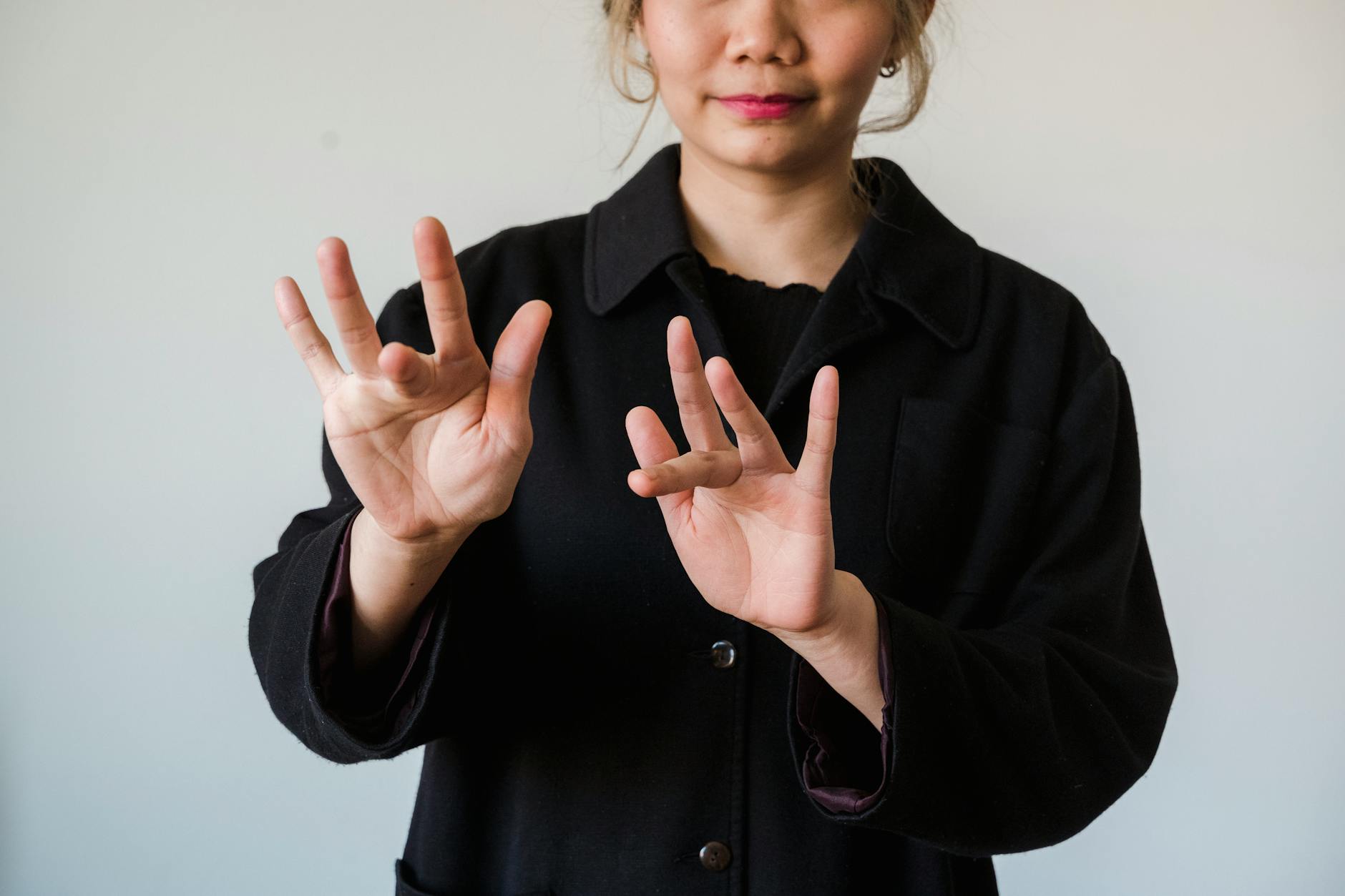
Once your baby masters a handful of functional signs, you can gradually expand their vocabulary based on interests and routines. Babies who love animals might learn signs for dog, cat, or bird. Those fascinated by vehicles could add car or airplane.
The foundation you build with those first practical signs””milk, more, all done, eat, help””creates a framework for ongoing communication growth. What matters most is maintaining the connection between signs and genuine communication rather than treating signing as a performance or party trick. The goal is giving your baby tools to express real needs and interests, which supports both immediate family harmony and longer-term language development.
Conclusion
The best baby signs for early communication focus on daily needs: milk, more, all done, eat, and help give babies concrete ways to express what they want and feel. Starting around six months aligns with AAP recommendations, though earlier exposure causes no harm and may help babies sign back sooner once motor skills allow.
Research supports baby signing as a tool that reduces frustration and may enhance language development, with no evidence that it delays speech. Success comes from consistent modeling during everyday routines, accepting imperfect early attempts, and ensuring all caregivers use the same signs. Your baby’s first signed communication””however approximate””opens a new channel of understanding between you.