
Toddler signs for transitions are simple hand gestures that signal a change in activity is coming, giving young children the predictability they need to cooperate rather than resist. The most effective transition signs include “all done,” “wait,” “next,” “go,” and “stop”””each paired with consistent verbal cues and used about two to five minutes before the actual change occurs. When a toddler knows that the sign for “all done” means playtime is wrapping up and something new is coming, meltdowns decrease because the shift no longer feels sudden or arbitrary. Consider a common scenario: a two-year-old deeply engaged with building blocks who suddenly gets swept up and carried to the dinner table. The screaming that follows isn’t defiance””it’s a response to an abrupt, confusing interruption.
Now imagine the same child receiving the “all done” sign along with “blocks are almost finished,” followed by the “eat” sign a minute later. The child has time to process, complete one more action, and mentally prepare. This article covers which specific signs work best for transitions, how to introduce them at different ages, when signing alone isn’t enough, and how to troubleshoot situations where transitions remain difficult despite consistent signing. The approach works because toddlers understand far more than they can verbally express. Signs bridge that gap, offering a visual and kinesthetic anchor during moments when emotions run high and verbal instructions get lost in the noise of frustration.
Table of Contents
- Why Do Toddlers Struggle with Transitions in the First Place?
- Essential Transition Signs Every Parent Should Know
- When to Introduce Transition Signs by Age
- Pairing Signs with Verbal Warnings and Routines
- Troubleshooting When Transition Signs Don’t Seem to Work
- Signs for Specific Challenging Transitions
- Building Long-Term Transition Skills Beyond Signing
- Conclusion
Why Do Toddlers Struggle with Transitions in the First Place?
toddlers experience time differently than adults. They lack the cognitive development to understand that leaving the park now means they can return tomorrow, or that stopping one activity leads to another enjoyable one. Their world exists largely in the present moment, making any interruption feel like a permanent loss. This isn’t stubbornness””it’s developmental reality. The prefrontal cortex, responsible for impulse control and understanding sequences, doesn’t fully mature until the mid-twenties. In toddlers, this brain region is barely online.
Expecting a nineteen-month-old to gracefully accept “we’re leaving in five minutes” without any visual support is expecting their brain to function in ways it simply cannot yet. Signs provide an external scaffold for internal processes that haven’t developed. However, signing alone won’t override genuine distress. A child who is overtired, hungry, or overstimulated may struggle with transitions regardless of how many signs you use. Signs work best when basic needs are met and the child is in a regulated state. If your toddler consistently melts down during transitions despite consistent signing, examine whether the timing of those transitions conflicts with nap schedules, mealtimes, or sensory thresholds.

Essential Transition Signs Every Parent Should Know
The core transition signs fall into two categories: those that signal ending and those that signal beginning. For endings, “all done” (open palms flipping outward) and “stop” (one flat hand chopping into the other palm) communicate that current activity is wrapping up. For beginnings, “go,” “next,” and “more” help children understand something new is coming. “Wait” deserves special attention as perhaps the most useful transition sign. Formed by holding up open fingers and wiggling them slightly, this sign acknowledges that the child wants something while asking for patience.
Unlike “no,” which feels like rejection, “wait” communicates that the desire is valid but the timing needs adjustment. This distinction matters enormously to toddlers who are just beginning to understand that their wants have value. A comparison worth noting: “all done” works better than “stop” for most transitions because it feels less abrupt. “Stop” implies immediate cessation and works well for safety situations, but “all done” suggests completion””a subtle but meaningful difference. A child who has “finished” playing feels different from a child who has been “stopped” from playing.
When to Introduce Transition Signs by Age
Babies as young as six months can begin recognizing signs, though they won’t produce them reliably until around eight to twelve months. For transition signs specifically, introduction around twelve months is ideal because this coincides with increased mobility and the first real power struggles over activities. At twelve to eighteen months, focus on “all done” and “more” as your foundational transition pair. These two signs cover most situations: something is ending or something is continuing. Once these are solid, add “wait” around eighteen months when toddlers begin testing limits more actively.
“Go,” “stop,” and “next” can follow between eighteen and twenty-four months as comprehension increases. The limitation here involves individual variation. Some fourteen-month-olds sign prolifically while some twenty-month-olds show little interest. If your child isn’t responding to transition signs by eighteen months despite consistent modeling, consider whether they’re a more verbal learner who responds better to words alone, or whether a developmental evaluation might be helpful. Signing delays sometimes accompany broader communication delays that benefit from early intervention.

Pairing Signs with Verbal Warnings and Routines
Signs work best as part of a multi-sensory warning system, not as standalone tools. The most effective transition protocol combines the sign with a verbal statement and, when possible, a visual or auditory cue. For example: signing “all done” while saying “two more minutes of blocks” while also setting a visual timer. Consistency in the routine matters more than the specific elements. If you always give a five-minute warning with the sign, then a two-minute warning, then a final “all done” at zero, your toddler learns to trust the pattern.
Erratic warnings””sometimes five minutes, sometimes none, sometimes ten””undermine the entire system because the child can’t predict what’s coming. The tradeoff here involves flexibility versus structure. Highly structured transition routines work beautifully at home but can feel impossible when traveling, visiting relatives, or managing multiple children with different needs. Some parents maintain strict routines for the most difficult transitions (leaving the playground, ending screen time, bedtime) while staying looser about easier ones (moving from breakfast to getting dressed). This selective approach prevents transition fatigue while protecting the most meltdown-prone moments.
Troubleshooting When Transition Signs Don’t Seem to Work
Signs fail to help transitions for several common reasons, and identifying the right one determines the solution. First, inconsistency: if only one parent signs, or if signs are used sporadically, children don’t build the association. Everyone involved in caregiving needs to use the same signs with the same timing. Second, timing errors undermine signing effectiveness. A sign given thirty seconds before a transition provides almost no processing time, while a sign given fifteen minutes before loses connection to the actual change.
The sweet spot for most toddlers is two to five minutes, though individual children vary. Some need longer runways; others get anxious with too much advance notice. The warning that catches many parents off guard: some children escalate during the warning period. A toddler who was playing happily may begin crying the moment they see the “all done” sign because they’ve learned what it predicts. This doesn’t mean signing isn’t working””it means the child has learned the association and is expressing displeasure appropriately rather than being blindsided. The crying often decreases over time as the child also learns that transitions lead to other good things.
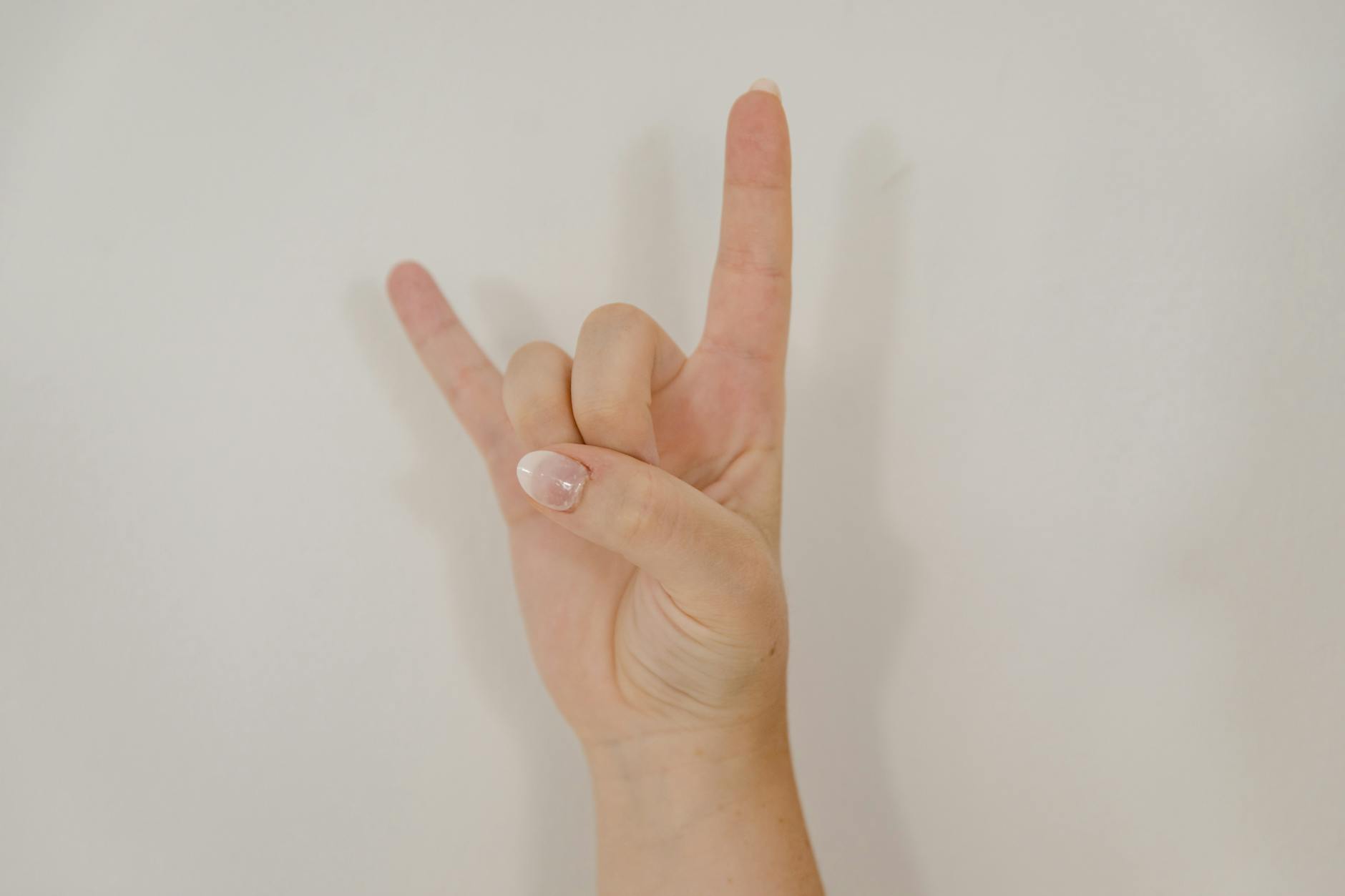
Signs for Specific Challenging Transitions
Certain transitions provoke more resistance than others, and specialized signs help. Leaving preferred locations (parks, grandparents’ houses, playdates) benefits from the “bye-bye” sign paired with “all done.” Having the child wave goodbye to the location itself”””bye-bye playground”””provides closure that simply walking away doesn’t offer.
Screen time transitions present unique challenges because the stimulation makes it harder for toddlers to shift attention. The “all done” sign should come with the screen already dimming or paused, not while content continues playing. One effective approach: teach the “off” sign (fingers spreading from a closed fist) specifically for screens, creating a distinct signal that carries different expectations than ending other activities.
Building Long-Term Transition Skills Beyond Signing
Signing serves as a bridge to verbal transition skills, not a permanent solution. Most children naturally drop signs as their verbal abilities expand, typically between two and three years old. Parents sometimes worry about this shift, but it represents healthy development””the scaffold is no longer needed because the underlying skill has strengthened.
To support this evolution, begin pairing signs with more complex verbal explanations as language develops. “All done with the park, then we go to the car, then we go home and have lunch” gives a verbal sequence that eventually replaces the sign alone. Children who learned transition signs often develop strong verbal sequencing skills because they’ve practiced the concept of “this, then that” since infancy.
Conclusion
Transition signs offer toddlers something they desperately need but cannot create for themselves: predictability in a world that constantly changes around them. The specific signs matter less than the consistency of their use””picking a core set of four or five transition signs and using them reliably before every activity change builds the trust and understanding that makes cooperation possible.
Starting with “all done,” “wait,” and “more” covers most daily transitions, with additional signs added as needed for specific challenges in your household. Remember that signs support transitions but don’t guarantee them; a well-timed sign combined with appropriate expectations and met physical needs creates the conditions for smoother shifts between activities.