
Understanding baby sign language sleepy sign is essential for anyone interested in baby and toddler sign language. This comprehensive guide covers everything you need to know, from basic concepts to advanced strategies. By the end of this article, you’ll have the knowledge to make informed decisions and take effective action.
Table of Contents
- How Do You Sign “Sleepy” and “Sleep” in Baby Sign Language?
- When Can Babies Learn the Sleepy Sign?
- Why the Sleep Sign Matters for Daily Routines
- Teaching Methods That Work for the Sleepy Sign
- Common Challenges When Teaching Sleep-Related Signs
- Cultural Considerations Around Baby Sign Language
- Long-Term Benefits of Early Sleep Sign Communication
- Conclusion
How Do You Sign “Sleepy” and “Sleep” in Baby Sign Language?
The sleep sign in American Sign Language, which forms the basis of most baby sign language programs, involves a distinctive downward hand movement over the face. You begin with your dominant hand held in front of your face, fingers spread wide and extended. As you draw your hand down past your chin, your fingers come together to touch your thumb. The gesture mimics the feeling of eyes growing heavy and closing, which helps babies connect the movement to the sensation of tiredness. The sign for “tired” differs somewhat from “sleep” and may be more useful when your baby is expressing general fatigue rather than the need to go to bed. To sign tired, extend your fingers together in each hand and place them against the sides of your chest with your elbows raised.
Then lower your elbows and shoulders while hunching slightly, rotating your open palms downward while keeping contact with your chest. The motion conveys the feeling of being so exhausted you cannot hold your arms up any longer. Some parents find the tired sign more practical for daytime use, while sleep works better during established bedtime and naptime routines. One limitation to understand early: babies will not perform these signs with perfect handshapes. A nine-month-old attempting the sleep sign might simply pat their face or make a vague downward motion. The goal is communication, not precision, so accepting approximations encourages continued effort.

When Can Babies Learn the Sleepy Sign?
most experts recommend starting to teach baby sign language around six months of age. However, this does not mean your baby will sign back immediately. There is a significant gap between exposure and production. Most babies will not be able to sign back until they are anywhere from 8 to 14 months old, and signs like “tired” and “sleep” are typically acquired during the one-word stage between 12 and 18 months. This timeline means patience is essential.
You might sign “sleep” during every naptime and bedtime for four or five months before seeing any attempt from your child. The delay can feel discouraging, but your baby is processing and storing the information during this period. Think of it like receptive language development: babies understand spoken words long before they can say them, and signing follows the same pattern. If your baby is closer to 14 months and still not signing despite consistent modeling, this does not necessarily indicate a problem. Some children simply take longer to produce signs, while others may skip signing altogether as they develop spoken language. Developmental timelines vary widely, and the sleep sign is not a milestone with a hard deadline.
Why the Sleep Sign Matters for Daily Routines
Bedtime and naptime routines are ideal opportunities to practice the sleep and tired signs because the context is consistent and the emotional stakes are clear. When you sign “sleep” as you dim the lights, close the curtains, and settle into the rocking chair, your baby begins associating the gesture with the entire wind-down process. This repetition in a predictable context accelerates learning. The practical benefit becomes apparent when your baby starts using the sign independently. The tired sign gives babies a way to communicate when they need a nap without getting fussy.
Instead of escalating from mild tiredness to inconsolable crying, a signing baby can alert you earlier in the process. For example, a toddler playing at a family gathering might sign “tired” when overstimulation begins, giving you the chance to find a quiet space before a public meltdown. This proactive communication also helps with sleep training and schedule adjustments. When your child can indicate tiredness, you gain insight into their natural rhythms that pure observation might miss. Some parents discover their toddler needs an earlier nap than expected, or that afternoon fussiness is actually exhaustion rather than hunger.
Teaching Methods That Work for the Sleepy Sign
The most effective approach for teaching baby sign language follows a three-step process: model, pause, and respond. First, show the sign clearly while saying the word. For the sleep sign, make the gesture deliberately as you say “sleep” or “sleepy” in a calm voice. Second, pause for five to ten seconds to give your baby time to process what they have seen. Rushing through signs or immediately moving on reduces the learning opportunity. Third, respond immediately and enthusiastically when your baby attempts the sign, even if the attempt is imprecise. Speaking the word every time you sign it is essential.
Always use spoken language along with the sign, saying the word at the moment you make the gesture. This pairing supports language development for hearing children and ensures that signing supplements rather than replaces verbal communication. Research consistently shows that baby sign language does not delay speech; it gives babies another way to express themselves while their verbal abilities develop. A comparison of teaching approaches reveals tradeoffs. Some parents sign only during specific routines, which provides consistent context but fewer repetitions. Others sign “tired” or “sleep” whenever relevant throughout the day, which increases exposure but may dilute the contextual cues that help babies understand meaning. Most families find success with a middle approach: consistent signing during naptime and bedtime plus opportunistic signing when the child shows obvious signs of tiredness at other times.
Common Challenges When Teaching Sleep-Related Signs
One frequent issue is that babies often resist signing when they are actually tired. The cognitive effort required to produce a sign may feel overwhelming to an exhausted child, so you might find that your toddler signs “tired” when moderately fatigued but reverts to crying when truly exhausted. This limitation means the sign is most useful for catching tiredness early rather than managing full-blown fatigue. Another challenge involves distinguishing between similar signs. The signs for sleep, tired, and related concepts are distinct in ASL but may blur together in baby approximations.
A baby might use the same vague face-touching motion for several concepts, requiring you to interpret based on context. This ambiguity is normal and resolves as fine motor skills improve, but it can cause temporary confusion. Some children also go through periods of signing regression, particularly when new verbal words emerge. A toddler who signed “sleep” reliably at 13 months might stop using the sign at 16 months as spoken words take priority. This shift is developmental, not a sign of failure. Many families continue using signs alongside speech through toddlerhood and find it helpful during moments when verbal communication breaks down, such as tantrums or transitions.
Cultural Considerations Around Baby Sign Language
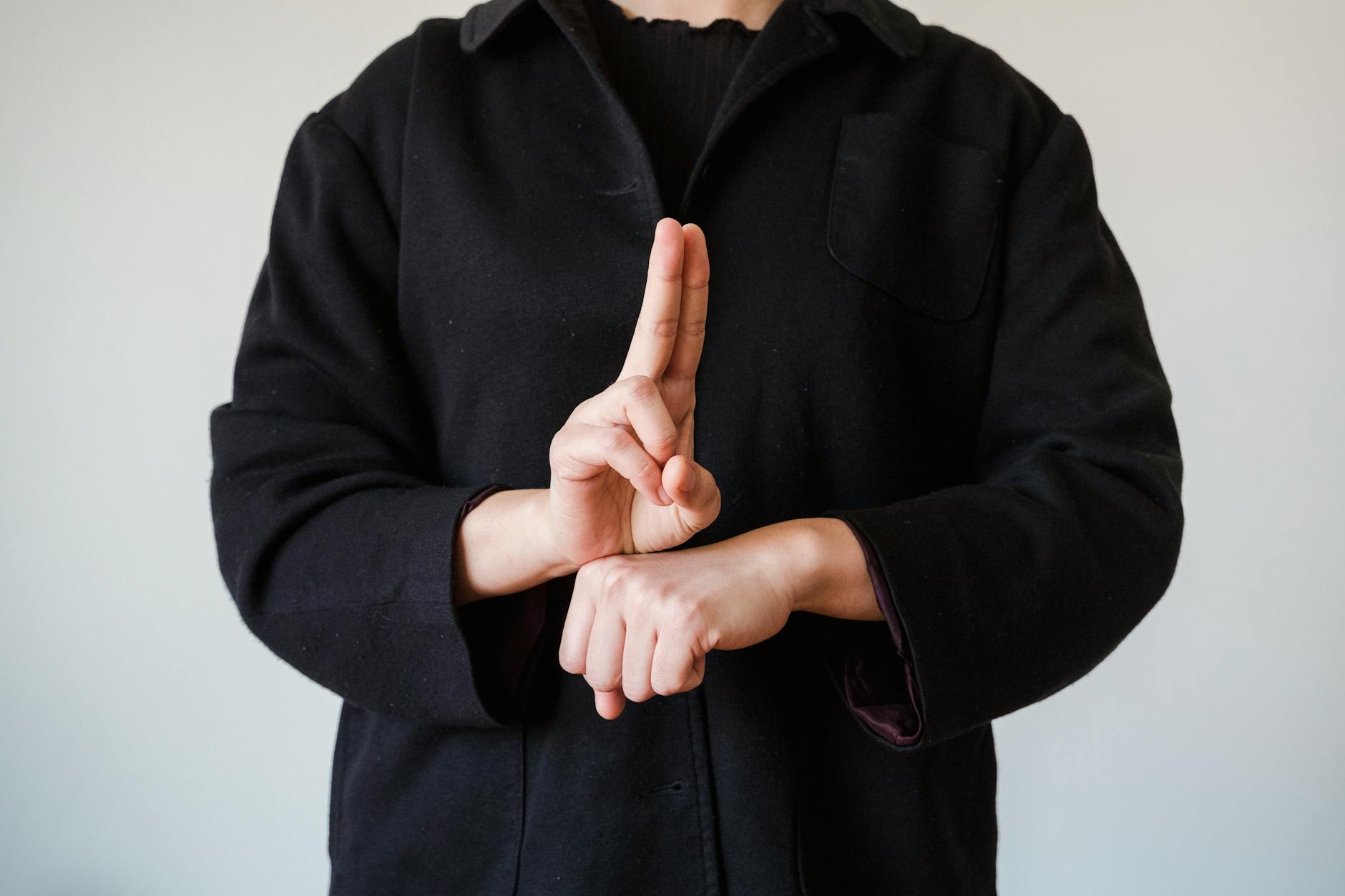
An important perspective to understand is that some members of the Deaf community view “baby sign language” as cultural appropriation. ASL signs are words from a complete language with its own grammar, history, and cultural significance. They are not simply “baby signs” designed for hearing children. Using ASL with hearing babies can be done respectfully, but it requires acknowledging the source and avoiding the implication that ASL is a simplified system rather than a real language.
This consideration does not mean hearing families should avoid signing with their babies. It does mean approaching the practice with awareness and respect. When possible, learn signs from resources that credit ASL and Deaf culture rather than presenting signing as a tool invented for babies. Understanding that you are borrowing from a linguistic tradition enriches the experience and models cultural respect for your child.
Long-Term Benefits of Early Sleep Sign Communication
Children who learn signs like “sleep” and “tired” early often carry communication benefits into later childhood. The experience of expressing needs before full verbal ability develops can foster confidence in self-advocacy. A child who successfully communicated tiredness as a baby may be more likely to verbalize needs clearly as a preschooler.
Looking forward, the specific signs matter less than the communication habit they establish. Whether your child continues using ASL signs, develops their own gesture vocabulary, or transitions entirely to speech, the underlying skill of expressing internal states like tiredness remains valuable. The sleepy sign is often one of the first steps in teaching children that their feelings deserve acknowledgment and that communication is a pathway to getting needs met.
Conclusion
The baby sign language sleepy sign provides a practical tool for helping your child communicate one of their most fundamental needs. By starting around six months, using the model-pause-respond technique, and practicing consistently during sleep routines, you create opportunities for your baby to express tiredness before frustration takes over. Remember that most babies will not produce signs until 8 to 14 months at the earliest, so patience is essential.
As you teach the sleep and tired signs, keep perspective on what matters most: giving your child a way to connect with you. Perfect handshapes are not the goal. A baby patting their face when naptime approaches is communicating just as effectively as a textbook ASL sign. Embrace the approximations, celebrate the attempts, and recognize that you are building a foundation for a lifetime of healthy communication about needs and emotions.