
The “scared” sign in baby sign language is performed by holding both fists in front of your body with palms facing inward, then flicking your fingers forward into open palms while raising your shoulders and making a scared facial expression. This gesture mimics the natural physical reaction humans have when startled, making it intuitive for both parents and babies to learn. The sign gives pre-verbal children a concrete way to communicate fear about things that might seem harmless to adults””like the sudden roar of a vacuum cleaner or shadows moving across a bedroom wall. Teaching this sign can transform moments of unexplained crying into opportunities for connection.
Consider a scenario where your eight-month-old wakes up screaming at 2 a.m. for no apparent reason. Without communication tools, you’re left guessing: hungry, wet diaper, teething? But a baby who knows the scared sign can point toward the corner of the room and sign “scared,” helping you realize that the nightlight burned out and the unfamiliar darkness is the culprit. This article covers the exact hand movements for the scared sign, when and how to introduce it, why it matters for emotional development, and how to troubleshoot common challenges parents face when teaching emotion-based signs.
Table of Contents
- How Do You Perform the Scared Sign in Baby Sign Language?
- When Should You Start Teaching the Scared Sign to Your Baby?
- Why Teaching the Scared Sign Reduces Baby Frustration and Anxiety
- Common Challenges When Teaching Emotion-Based Signs
- Related Signs: Afraid, Frightened, and Fear
- Building Emotional Vocabulary Beyond the Scared Sign
- Conclusion
How Do You Perform the Scared Sign in Baby Sign Language?
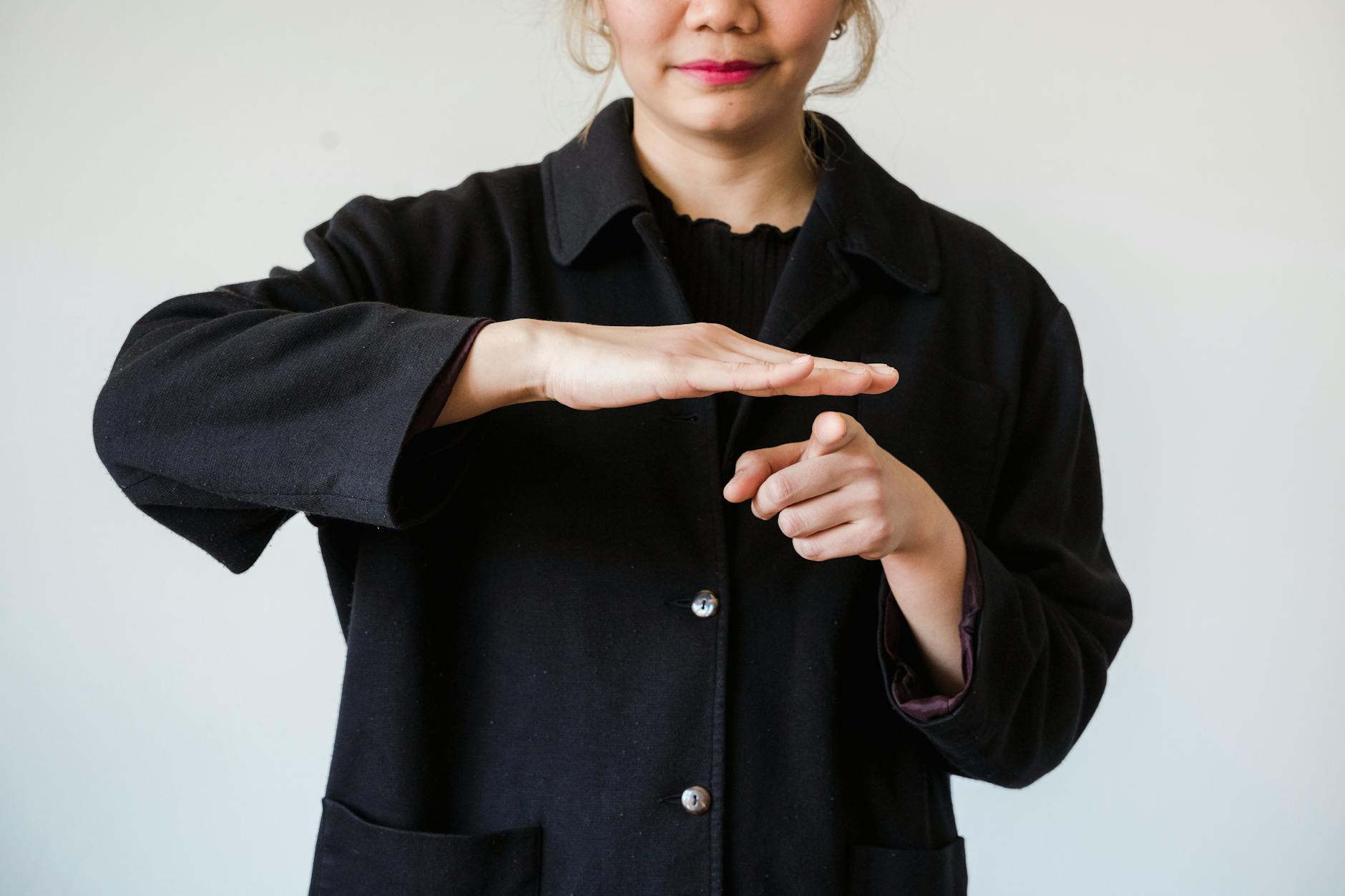
The scared sign requires both hands working together in a simple but expressive movement. Start by holding both hands in front of your chest in loose fists, with your palms facing toward your body. Then, in one quick motion, flick all your fingers outward so you end with open palms and fingers extended, as if something suddenly startled you. The movement should be somewhat abrupt rather than slow and controlled””you’re mimicking that involuntary flinch that happens when something catches you off guard. Body language plays a critical role in making this sign effective. While your hands are moving, raise your shoulders slightly in a protective shrug, and””this part is essential””make your face look genuinely scared.
Widen your eyes, raise your eyebrows, and let your mouth open slightly. In sign language, facial expressions aren’t optional extras; they carry grammatical and emotional weight that changes the meaning of signs. A scared sign performed with a neutral face loses much of its communicative power. One limitation worth noting: very young babies won’t have the fine motor control to perform this sign precisely. When your six-month-old attempts it, the result might look more like excited arm flapping than the crisp finger-flicking movement you’re modeling. That’s completely normal. The goal isn’t perfection””it’s establishing a consistent gesture that both of you recognize as meaning “scared.”.

When Should You Start Teaching the Scared Sign to Your Baby?
Experts recommend beginning to sign with babies between four and six months of age, though this is when you start signing *to* them, not when you should expect them to sign back. During these early months, babies are absorbing language through observation, building the cognitive connections between your gestures, words, and the situations in which you use them. Think of this phase as planting seeds rather than harvesting. Most babies develop the motor skills and cognitive readiness to sign back between six and nine months old. However, this timeline varies significantly based on individual development, how consistently you sign, and the specific signs you’re teaching.
Emotion-based signs like “scared” can be trickier than object-based signs like “milk” or “ball” because the concept is abstract. A baby can see milk and touch a ball, but fear is an internal experience that requires more sophisticated understanding. If your baby is closer to nine or ten months and hasn’t signed back yet, don’t assume the approach isn’t working. Some children observe for months before suddenly producing multiple signs within a short period. The key factors that predict success are repetition and consistency””signing scared every time a fear-inducing situation arises, rather than occasionally when you remember.
Why Teaching the Scared Sign Reduces Baby Frustration and Anxiety
Babies experience a wide range of emotions long before they can verbalize them, and this gap between feeling and expressing creates genuine distress. When a baby feels scared but has no way to communicate that fear, the result is often inconsolable crying that leaves parents feeling helpless. The scared sign bridges this gap by giving children a tool to name their experience, which is surprisingly powerful even at a pre-verbal stage. Research in child psychology has long established that simply naming an emotion helps reduce its intensity””a concept sometimes called “name it to tame it.” When a baby signs “scared” and a parent responds with acknowledgment (“You’re scared of that loud noise, aren’t you?”), the child feels seen and understood. This validation doesn’t make the fear disappear, but it transforms overwhelming confusion into a shared experience that can be addressed together. Consider the practical difference this makes. A toddler without signing skills who encounters a new toy that moves unexpectedly might scream, throw the toy, and remain upset for extended periods. A toddler who can sign “scared” might still cry initially, but they can communicate specifically what’s wrong. The parent can then remove or explain the toy, and the child learns that expressing emotions leads to responsive caregiving. Over time, this builds emotional intelligence and secure attachment.
## How to Teach the Scared Sign: A Step-by-Step Approach The most effective method for teaching the scared sign is to use it in context, at the moment fear occurs, while pairing the gesture with spoken words. When your baby startles at a loud sound, immediately sign “scared” while saying something like, “That was scary! The blender scared you.” Point toward the source of the fear if it’s visible. This three-part combination””sign, verbal label, and contextual gesture””creates multiple pathways for learning. Some parents wonder whether they should manufacture scary situations to create teaching opportunities. This isn’t necessary or advisable. daily life provides plenty of natural moments: thunder during a storm, a dog barking nearby, the unexpected appearance of a relative the baby doesn’t see often, or household appliances turning on. The key is being attentive enough to notice when your baby seems frightened and responding with the sign consistently. A comparison between teaching strategies reveals an important tradeoff. Some parents prefer to teach signs during calm, focused practice sessions””sitting with the baby, showing flashcards, and repeating signs. This approach works well for noun-based signs like “apple” or “book.” However, for emotion-based signs like “scared,” in-the-moment teaching tends to be more effective because the emotional context reinforces the meaning. The downside is that fear-inducing moments are unpredictable, so you need to be ready to sign at any time rather than during scheduled practice.

Common Challenges When Teaching Emotion-Based Signs
One frequent obstacle parents encounter is the difficulty of maintaining consistency with the scared sign specifically. Unlike “milk” or “more,” which you might sign dozens of times daily during meals, fear-inducing situations arise less predictably. You might go several days without a natural opportunity to use the sign, which can slow your baby’s learning. To address this, some parents incorporate the sign into book reading when characters express fear, or during peek-a-boo games with exaggerated “scary” reveals. Another challenge is distinguishing between related emotions.
Babies might use the scared sign when they’re actually frustrated, overwhelmed, or simply want something to stop. This imprecision is normal and doesn’t indicate failure. At the earliest stages, having any tool to express negative emotions is valuable, even if the nuance isn’t perfect. As your child’s signing vocabulary expands, you can introduce related signs like “afraid” and “frightened,” which use similar techniques, or add signs for other emotions like “angry” or “sad.” A warning for parents: avoid overusing the scared sign in situations where you’re projecting fear onto your baby. If your child is curiously examining a spider and you rush over signing “scared,” you might inadvertently teach them to fear something they were simply investigating. Let your baby’s actual emotional reaction guide when you introduce the sign, rather than your own assumptions about what should be scary.
Related Signs: Afraid, Frightened, and Fear
The signs for “afraid,” “scared,” and “frightened” use very similar techniques in baby sign language, which makes them easy to learn as a set once your baby has mastered one. This overlap exists because the signs in American Sign Language, from which most baby sign language is adapted, often group synonymous concepts together. For practical purposes with babies and toddlers, most families choose one version and use it consistently rather than trying to teach subtle distinctions between fear-related words.
The sign for “fear” is another related option parents might want to introduce, particularly as their child grows into toddlerhood and begins encountering more complex emotional situations. Having multiple ways to express fear-adjacent feelings gives children greater precision in communication. For example, a toddler might learn to use “scared” for sudden startles and “afraid” for ongoing anxieties, like reluctance to enter a dark room.
Building Emotional Vocabulary Beyond the Scared Sign
Once your baby successfully uses the scared sign, you’ve established a foundation for broader emotional communication. Parents who see success with one emotion sign often expand to others: happy, sad, angry, hurt, and tired are common additions. This growing vocabulary transforms the parent-child relationship because guesswork decreases and genuine dialogue””even non-verbal dialogue””increases.
Looking ahead, children who learn to identify and express emotions through signing often transition more smoothly into verbal emotional expression. They’ve already practiced the cognitive skill of noticing their internal state, finding a label for it, and communicating that label to someone else. The modality changes from gesture to speech, but the underlying emotional intelligence remains. Many parents report that their signing toddlers become preschoolers who can articulate feelings with unusual clarity, saying things like “I’m scared because I don’t know anyone at this party” rather than simply refusing to enter the room.
Conclusion
The scared sign””both fists opening into spread fingers while raising your shoulders and showing a frightened expression””gives babies a vital tool for communicating one of their most overwhelming emotions. Teaching this sign requires consistency, contextual use during genuine fear moments, and patience as your baby develops the motor skills and cognitive understanding to sign back. Most babies can begin learning between four and six months and may start signing back between six and nine months, though individual timelines vary.
Beyond the practical benefit of understanding why your baby is upset, teaching the scared sign contributes to emotional development that extends well into childhood. When babies learn they can express fear and receive responsive caregiving, they develop trust in their caregivers and confidence in their own ability to navigate difficult feelings. Start signing today during naturally occurring fear moments, pair each sign with verbal language, and maintain realistic expectations about the timeline for your baby’s response.