
The “sad” sign in baby sign language is performed by holding both hands with fingers spread open in front of your face, palms facing inward, then pulling them downward to about chest level while making a sad facial expression. This sign gives babies a way to communicate an emotion they feel long before they can say the word, which can reduce frustration and help parents respond more effectively to their child’s emotional needs. Teaching the sad sign works best when you pair it with real emotional moments. For example, when your toddler’s block tower falls down and their face crumples, you can sign “sad” while saying the word and mirroring their expression.
This creates a direct connection between the feeling they’re experiencing and a concrete way to express it. Most babies can begin learning signs between 4-6 months old, though they typically won’t sign back until somewhere between 6-9 months old. This article covers the precise technique for signing “sad,” when and how to introduce this emotion sign into your routine, the developmental benefits of teaching feeling vocabulary, and practical strategies for helping your child use the sign in real situations. We’ll also address common challenges and what to do when things don’t go as expected.
Table of Contents
- How Do You Sign “Sad” in Baby Sign Language?
- When to Start Teaching the Sad Sign to Your Baby
- The Emotional Intelligence Benefits of Teaching Feeling Signs
- Practical Methods for Teaching the Sad Sign at Home
- Common Challenges When Teaching the Sad Sign
- Using the Sad Sign Alongside Other Emotion Signs
- Building Toward Verbal Expression
- Conclusion
How Do You Sign “Sad” in Baby Sign Language?
The standard way to sign “sad” uses what’s called “5” hands in American Sign Language””both hands with all five fingers spread open. You position these hands in front of your face with your palms facing toward you, then pull them downward in a single motion to about chest level. The movement mimics tears falling down the face, which makes it intuitive once you understand the visual metaphor. The facial expression you make while signing is not optional””it’s essential. Emotion signs in ASL rely heavily on non-manual markers, meaning your face does significant work in conveying meaning.
When you sign “sad,” your face should show sadness: a slight frown, perhaps downturned mouth corners, and softer eyes. Babies learn to read faces before they understand hand movements, so your expression reinforces the meaning and helps them connect the sign to the feeling. There is a one-handed variation sometimes used in informal settings, which can be helpful when you’re holding your baby or have one hand occupied. However, the two-handed version is the standard form and is easier for babies to recognize and eventually imitate. If your child picks up a modified version of the sign, that’s perfectly acceptable””the goal is communication, not perfect form.
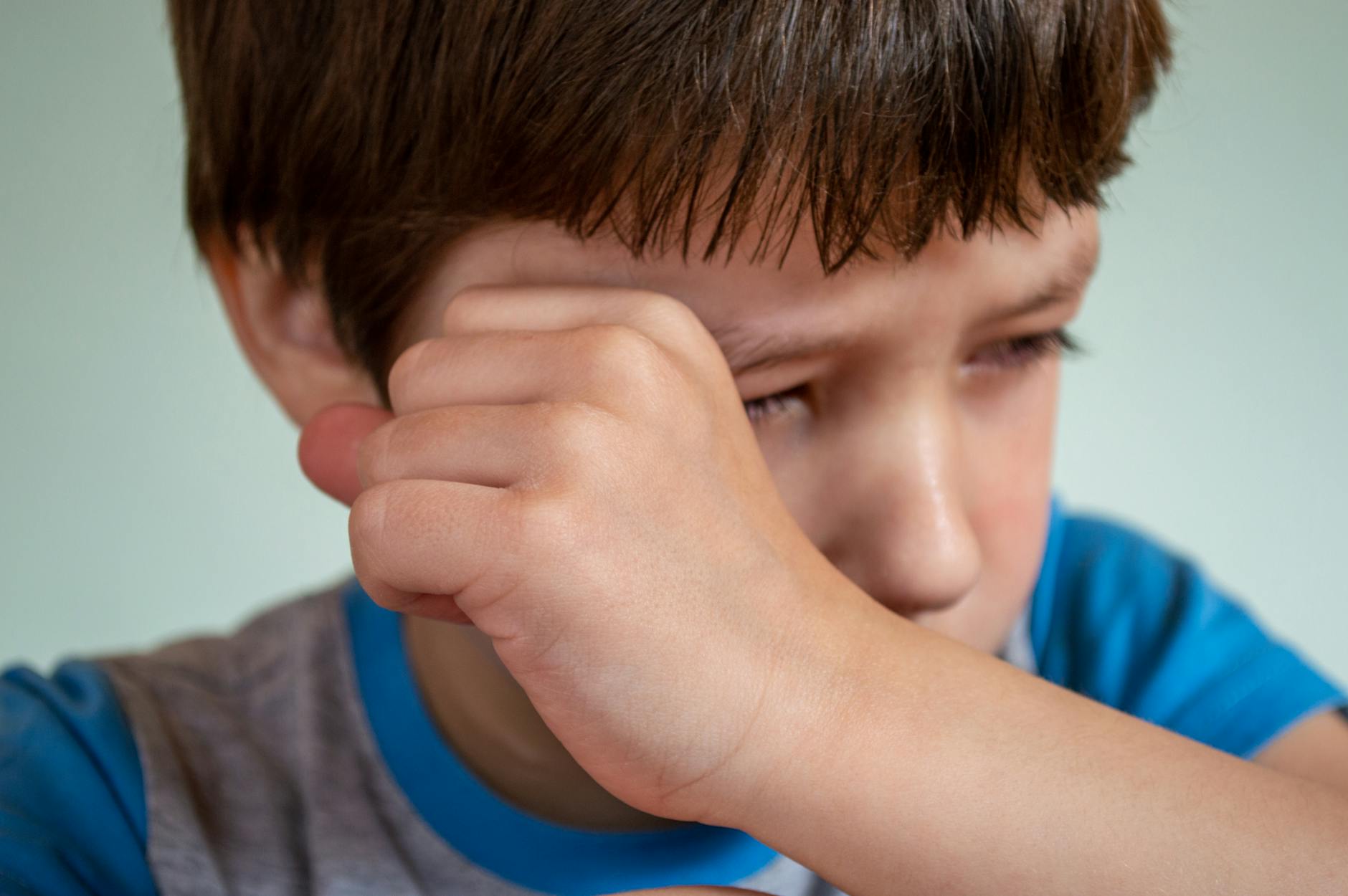
When to Start Teaching the Sad Sign to Your Baby
Babies can begin absorbing sign language as early as 4-6 months old, but this doesn’t mean they’ll immediately start signing back. Their motor skills and cognitive development need time to catch up with their understanding. Most babies start producing signs somewhere between 6-9 months old, and for some children, it takes longer. This delay is completely normal and doesn’t indicate a problem with your approach or your child’s development. The key factors for success are repetition and consistency.
You need to sign “sad” every time you say the word, across many different contexts and situations. This might mean signing during a book where a character looks sad, when the family pet walks away, or when a sibling takes a toy. The more varied examples your baby sees, the better they’ll understand that “sad” is a category of feeling rather than just something connected to one specific event. However, if your baby is under 6 months old, you shouldn’t expect any response for quite a while””and you should focus your energy on signs for more immediate needs like “milk,” “more,” or “all done” before introducing emotion vocabulary. Babies tend to learn signs for things they want before signs for internal states, so building that foundation first makes sense.
The Emotional Intelligence Benefits of Teaching Feeling Signs
Teaching emotion signs like “sad” does more than give your baby a word to use””it helps them develop the ability to recognize, process, and eventually regulate their feelings. When a child can name what they’re experiencing, they gain a small but meaningful degree of separation from the emotion itself. This is the beginning of emotional intelligence, and it starts earlier than most parents realize. Sign language can help reduce the frustration that often leads to tantrums. A toddler who feels sad but has no way to express it may resort to crying, hitting, or throwing themselves on the floor””not because they’re misbehaving, but because they’re overwhelmed and have no outlet.
When that same toddler can sign “sad,” they have a tool that acknowledges their feeling and invites a response from their caregiver. The sign becomes a bridge between an internal experience and external support. Parents can pair the sign with coping strategies to build on this foundation. For instance, after a child signs “sad,” you might offer a favorite blanket, a hug, or a moment of quiet comfort. Over time, the child learns not just to express sadness but also to seek healthy ways of addressing it. This pairing of identification and action is the core of emotional regulation skills that will serve them for years to come.

Practical Methods for Teaching the Sad Sign at Home
The most effective method is simultaneous pairing: say the word “sad” out loud while making the sign at the same time. This dual-channel approach helps babies connect the spoken word, the visual gesture, and the concept together. Don’t sign silently or speak without signing””consistency in pairing these elements accelerates learning. One practical comparison worth noting is the difference between teaching at opportune moments versus structured practice. Opportune moments””like when your child actually feels sad””create strong emotional memory and context. Structured practice””like signing during a book about feelings or while looking at flashcards””offers repetition without the intensity.
Both have value, but research on early language acquisition suggests that emotionally relevant moments tend to create stronger learning. A child who signs “sad” when their balloon floats away has a more visceral understanding than one who signs during a picture book, though the book practice still helps. There’s a tradeoff between frequency and authenticity. Forcing the sign into every minor disappointment can feel artificial and may lose meaning. On the other hand, waiting only for major emotional events means fewer learning opportunities. A reasonable middle ground is to sign during genuine moments of sadness””even small ones””while also incorporating the sign into stories, songs, and play about emotions.
Common Challenges When Teaching the Sad Sign
One frequent issue is that babies may not produce the sign the way you’ve modeled it. Their motor skills are still developing, and what comes out might be a simplified or modified version. A baby might use just one hand, or the downward motion might be abbreviated. This is not a failure””any consistent gesture your child uses to communicate “sad” is doing the job. You can gently continue modeling the full sign while accepting their approximation. Another challenge is that some children resist signing emotions, particularly negative ones. A toddler might not want to acknowledge feeling sad, or they might be too overwhelmed in the moment to remember the sign exists.
If your child is mid-meltdown, that’s not the ideal teaching moment. Wait until they’re calm, then reflect back: “You were sad when the dog left. That felt sad.” Over time, they may begin to use the sign earlier in the emotional arc, before they’re fully dysregulated. Parents sometimes worry when their baby isn’t signing back by a certain age. Remember that the 6-9 month window is a range, not a deadline. Some babies focus on motor skills before communication; others understand many signs before producing any. If you have concerns about your child’s overall development, consult your pediatrician, but variation in signing timelines is normal and expected.

Using the Sad Sign Alongside Other Emotion Signs
Teaching “sad” works best as part of a broader emotional vocabulary. Once your child understands “sad,” you can introduce “happy,” “angry,” “scared,” and other feeling words. This gives them a palette of options rather than a binary choice. A child who only knows “sad” might use it for frustration, fear, or disappointment””which are related but distinct””whereas a child with more tools can be more precise.
For example, imagine a toddler whose older sibling grabs a toy from them. They might feel sad about the loss, angry about the unfairness, or both. If they can sign both emotions, they’re developing a more nuanced inner vocabulary. This specificity helps parents respond appropriately””sadness might call for comfort, while anger might need validation followed by problem-solving.
Building Toward Verbal Expression
The goal of baby sign language isn’t to replace spoken language””it’s to bridge the gap until speech develops. As your child’s verbal skills emerge, you’ll likely notice them saying “sad” while still signing it, then eventually dropping the sign in favor of words. This is the natural progression, and it means the signing has served its purpose.
Some children continue to use signs alongside speech for emphasis or in situations where speaking feels difficult. A preschooler who can say “I’m sad” might still sign it when they’re upset and struggling to get words out. This is a strength, not a crutch. The ability to communicate through multiple channels gives children flexibility and resilience in expressing themselves.
Conclusion
The “sad” sign””both hands with spread fingers, palms toward the face, pulling downward””gives babies a powerful tool for expressing an emotion they experience long before they can speak. Teaching this sign requires repetition, consistency, and authentic emotional moments, but the payoff is significant: reduced frustration, earlier emotional intelligence, and a foundation for healthy communication about feelings.
Start by modeling the sign whenever sadness arises naturally, pair it with the spoken word and a matching facial expression, and accept whatever approximation your baby produces. Combine the sad sign with other emotion vocabulary and coping strategies, and remember that the timeline for signing back varies widely among children. The effort you put in now creates communication pathways that will benefit your child for years to come.