
Baby sign language is a simplified system of hand gestures adapted from American Sign Language (ASL) that allows pre-verbal infants to communicate their needs, observations, and feelings before they can speak. The core concept is straightforward: babies develop fine motor control of their hands months before they gain the oral motor skills needed for speech, so teaching them a handful of basic signs””typically starting with words like “milk,” “more,” “all done,” and “eat”””gives them a functional vocabulary as early as 8 to 12 months old. A parent who teaches the sign for “milk” (a squeezing motion like milking a cow) might see their 10-month-old use it independently within a few weeks, reducing the guesswork of interpreting cries and pointing.
The practice gained mainstream popularity in the early 2000s following research by child development specialists Linda Acredolo and Susan Goodwyn, whose longitudinal studies suggested that signing babies showed reduced frustration and, in some cases, earlier verbal development. However, the primary benefit most families report is practical rather than academic: fewer tantrums during the period when a child understands far more than they can express verbally. This article covers when to start teaching signs, which signs to introduce first, realistic expectations for progress, common mistakes parents make, and how to integrate signing naturally into daily routines without turning it into a pressured lesson.
Table of Contents
- What Is Baby Sign Language and How Does It Work?
- When to Start Teaching Baby Sign Language
- The First Signs to Teach Your Baby
- Common Mistakes and Realistic Expectations
- Signing With Caregivers and Daycare Providers
- Does Baby Sign Language Delay Speech Development?
- Conclusion
What Is Baby Sign Language and How Does It Work?
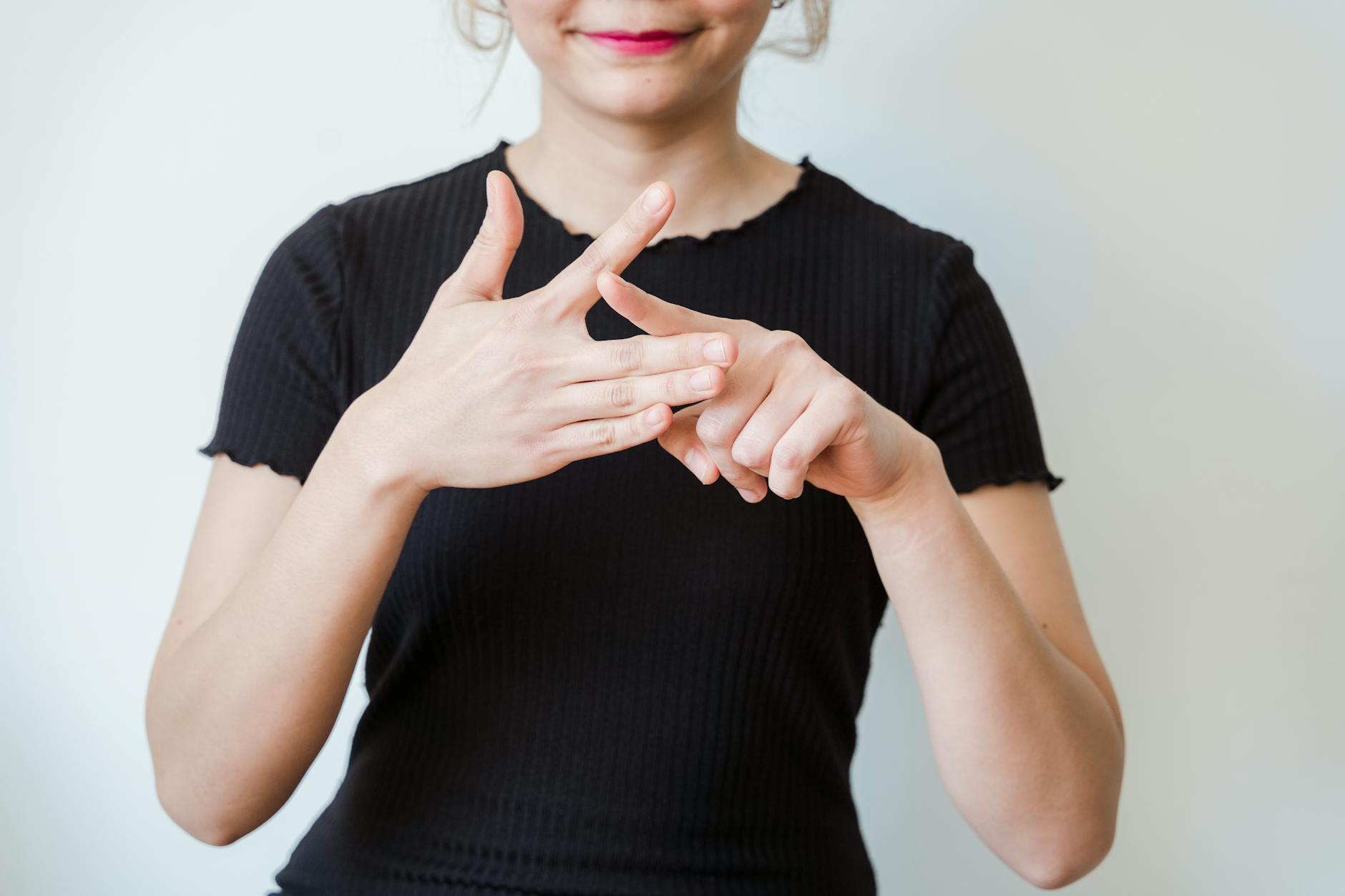
baby sign language borrows heavily from ASL but simplifies many gestures for small, less coordinated hands. The signs are iconic where possible””the sign for “eat” involves bringing a flattened hand to the mouth, mimicking the action of eating””making them easier for both babies and caregivers to remember. Parents typically model signs during relevant moments (signing “dog” when pointing at the family pet, for instance) and repeat them consistently over days or weeks until the baby begins imitating. The mechanism behind its effectiveness relates to developmental timing. Most babies understand words like “bottle” or “up” by 8 or 9 months, but their vocal cords, tongue, and lip muscles won’t produce clear speech until 12 to 18 months or later.
Their hands, however, are already capable of grasping, pointing, and waving””motor skills that transfer well to basic signing. This developmental gap, sometimes lasting six months or more, represents the window where signing proves most useful. One comparison that helps parents understand the approach: baby sign language functions less like learning a second language and more like an extended form of pointing. Just as a baby learns to point at a cup when thirsty, they can learn to sign “drink” for a clearer message. The transition to speech remains the ultimate goal, and signs naturally fade as spoken words become easier.
When to Start Teaching Baby Sign Language
The conventional recommendation is to begin introducing signs around 6 months of age, though babies typically don’t sign back until 8 to 12 months. This delay is normal and doesn’t indicate failure””it reflects the time needed for motor skill development, cognitive connection between gesture and meaning, and sufficient repetition to form memory. Starting earlier than 6 months isn’t harmful, but parents should expect a longer wait before seeing results, which can be discouraging. However, if your baby is older””say, 10 or 14 months””there’s no disadvantage to starting later. Older babies often pick up signs faster because their motor skills and cognitive abilities are more developed.
A 12-month-old might learn a new sign within days rather than weeks. The downside of starting later is simply a shorter signing window before speech takes over, but for many families, even a few months of reduced frustration is worthwhile. A specific timing consideration: babies in the 4-to-6-month range are often mastering sitting, reaching, and grasping. These physical milestones signal readiness for observing signs, even if production comes later. Parents who wait until 9 or 10 months sometimes see faster initial progress but miss the chance to normalize signing as part of daily interaction from early on.
The First Signs to Teach Your Baby
Most experts recommend starting with 3 to 5 signs that relate to your baby’s daily routine and strongest motivations. The classic starter set includes “milk,” “more,” “all done,” “eat,” and “help.” These words are high-frequency, tied to immediate needs, and easily demonstrated during natural moments””signing “more” between bites of food, for example, creates dozens of daily repetitions without any formal lesson time. A practical example: the sign for “all done” involves rotating both open palms outward (like showing empty hands). Parents can model this at the end of every meal, diaper change, and bath. Within weeks, a baby who dislikes being strapped into a car seat might sign “all done” to communicate their displeasure””not a solution to the problem, but a significant reduction in the guessing game that leads to mutual frustration. Beyond the core signs, personalization matters. A baby fascinated by the family cat will likely learn “cat” faster than a baby who rarely encounters animals. Signs for “ball,” “book,” “dog,” “water,” and “sleep” are common second-tier additions, but the best choices depend on your child’s environment and interests. Some babies gravitate toward object words (nouns), while others prefer action words like “up” or “play.” ## How to Teach Baby Sign Language Effectively Consistency and context trump formal teaching sessions.
The most effective approach is embedding signs into routines you already perform””signing “diaper” during every change, signing “eat” before every meal, signing “bath” while running the water. This naturalistic method requires no extra time and provides the high repetition babies need to form associations. The tradeoff between intensive and casual approaches matters. Parents who sign enthusiastically during dedicated “lesson” times but forget during busy moments often see slower progress than those who sign casually but consistently throughout the day. Quality matters less than quantity in early sign exposure. A distracted, one-handed sign while cooking dinner still counts as a repetition. Eye contact and verbal pairing strengthen the connection. Always say the word while signing it””baby sign language is not meant to replace speech but to accompany it. Babies need to hear words spoken thousands of times to learn them, and signs serve as visual reinforcement, not a substitute. Parents who sign silently may inadvertently delay speech development, which defeats one purpose of signing.
Common Mistakes and Realistic Expectations
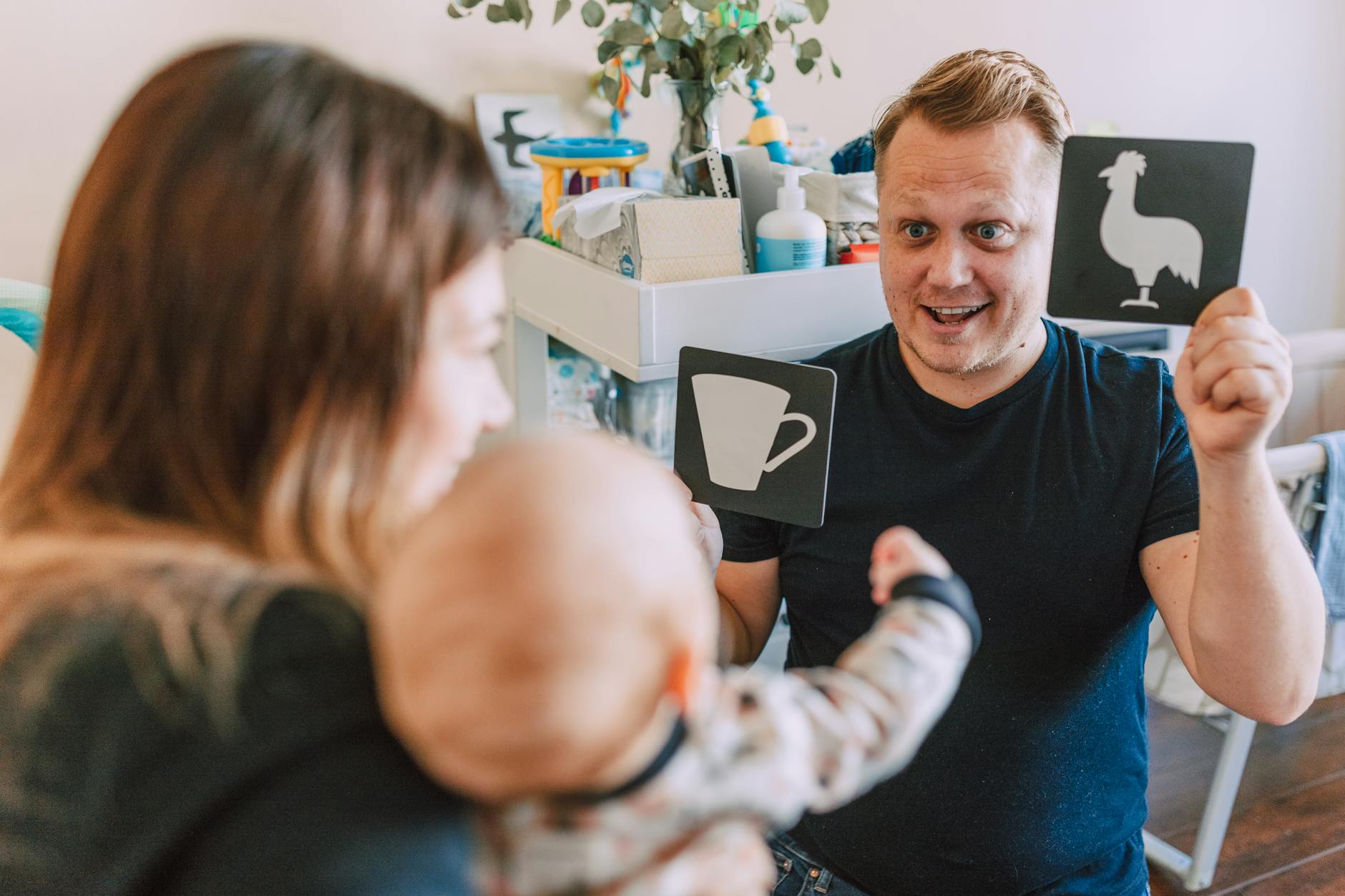
The most frequent mistake parents make is expecting precision. A baby’s first signs are often approximations””a sign for “more” might look like clapping, and “milk” might resemble a general squeezing motion with no clear direction. Recognizing these early attempts and responding to them (rather than waiting for perfect form) reinforces the baby’s understanding that their gestures have communicative power. Another common error is introducing too many signs too quickly. Flooding a baby with 20 signs in the first week creates confusion and dilutes repetition. A focused approach””three to five signs practiced many times daily””produces faster results than a scattered approach with more variety.
Once a baby uses several signs reliably, adding new ones becomes much faster. A limitation worth acknowledging: not all babies take to signing equally. Temperament, motor development variations, and individual communication styles affect outcomes. Some babies sign dozens of words enthusiastically; others learn only a handful before speech overtakes the need. Neither outcome reflects parenting quality or future language ability. The goal is communication, and if a baby develops other effective ways to communicate (pointing, vocalizing, facial expressions), signing may simply matter less to them.
Signing With Caregivers and Daycare Providers
Consistency across caregivers significantly impacts signing success. If a baby hears and sees “more” signed at home but not at daycare, the association weakens.
Sharing a simple list of your family’s core signs””perhaps with photos or short video clips””helps grandparents, babysitters, and daycare teachers reinforce the same vocabulary. For example, one family created a laminated card with six signs illustrated, taped to the high chair at home and provided as a copy to their daycare. The result was faster acquisition and, importantly, better communication during separation””a baby who could sign “hurt” or “all done” at daycare gave caregivers valuable information that reduced crying episodes.
Does Baby Sign Language Delay Speech Development?
Research consistently shows that baby sign language does not delay speech and may modestly accelerate it in some children. The concern that signing gives babies a “shortcut” that discourages verbal effort has not been supported by longitudinal studies. In fact, because signing involves pairing words with gestures, babies receive more language exposure, not less.
The caveat is that signing should always accompany speech, not replace it. Parents who model signs silently””treating it as a nonverbal-only system””may inadvertently reduce their child’s verbal input. When used as intended, with spoken words paired to every sign, the method adds a visual channel to auditory learning. Most babies naturally transition away from signs as speech becomes easier, often dropping signs entirely by age 2 without any specific weaning effort.
Conclusion
Baby sign language offers a practical bridge across the developmental gap between comprehension and speech. By teaching a handful of simple signs””starting around 6 months and focusing on high-frequency needs like “milk,” “more,” and “all done”””parents can reduce frustration for both baby and caregiver during the pre-verbal period.
The keys to success are consistency, patience, and naturalistic integration into daily routines rather than formal lessons. The approach works best when expectations remain realistic: approximations count, not every baby signs enthusiastically, and the goal is communication rather than an impressive vocabulary. For families willing to commit to consistent modeling across caregivers, baby sign language provides a meaningful window into their child’s developing mind””and often, a much calmer household during the challenging months before words arrive.