
Deaf residents in nursing homes navigate daily communication without professional interpreters through a combination of adaptive strategies, personal support networks, and their own resourcefulness. Many facilities fail to provide consistent American Sign Language (ASL) interpreters due to cost, availability, or simple institutional neglect—leaving deaf residents to manage medical consultations, meal requests, emergency alerts, and social interactions through written notes, lip reading when possible, gestures, family members, or untrained staff who piece together communication as best they can. One 82-year-old deaf woman in Pennsylvania managed her diabetes care for three years at a skilled nursing facility by writing everything down and having her daughter visit twice weekly to serve as an unpaid interpreter, even though federal law technically requires interpreter services. The reality is that deaf nursing home residents have developed workarounds out of necessity rather than choice.
Some write detailed journals of their medical history to hand to new staff. Others rely heavily on visual communication—gestures, facial expressions, and written English. A few facilities have hired deaf staff members or nurses fluent in ASL, which transforms the experience entirely. But for the vast majority, navigating a nursing home without consistent interpreter access means accepting communication gaps that range from inconvenient to dangerous.
Table of Contents
- What Does Daily Communication Look Like for Deaf Nursing Home Residents?
- The Legal and Accessibility Barriers That Make This Happen
- How Deaf Residents Adapt Their Own Communication Strategies
- Working With Family Members and Advocates as Unofficial Interpreters
- The Hidden Dangers of Communication Gaps in Healthcare
- Technology Solutions and Their Real-World Limitations
- Progress, Advocacy, and What Change Looks Like
- Conclusion
- Frequently Asked Questions
What Does Daily Communication Look Like for Deaf Nursing Home Residents?
Without interpreters, deaf residents use whatever communication tools are available. The most common approach involves written communication—residents write notes or use their own phones to text staff members. A resident needing pain medication might write it down. Another might use a whiteboard by their bed to communicate daily needs. Some nursing homes have introduced tablet-based apps where residents can select common requests from menus, though this only works for predictable situations and doesn’t accommodate complex medical discussions.
Lip reading and hearing aids fill some gaps, though neither is reliable. A resident might lip read portions of what a nurse says, catching enough to understand “lunch at noon” but missing critical medication details. Family members often become the de facto interpreters—visiting daily or taking calls during medical appointments. This creates dependency and inequity: deaf residents with involved families get better communication access than those without, and families bear the emotional and logistical burden. Staff members sometimes learn basic signs from residents over weeks or months, but this informal education is unpredictable and doesn’t substitute for professional fluency.

The Legal and Accessibility Barriers That Make This Happen
Federal law—specifically the Americans with Disabilities Act (ADA)—requires nursing homes receiving Medicare or Medicaid funding to provide qualified interpreters for deaf residents. Yet enforcement is weak, funding is insufficient, and many facilities treat interpreter costs as optional rather than mandatory. Nursing homes cite expense as the reason: a professional ASL interpreter costs $100–$200+ per hour, and facilities claim this strains already-thin budgets. The result is that many deaf residents never see an interpreter at their facility, even though their facility is technically breaking the law. A critical limitation is the shortage of qualified ASL interpreters in rural and underserved areas.
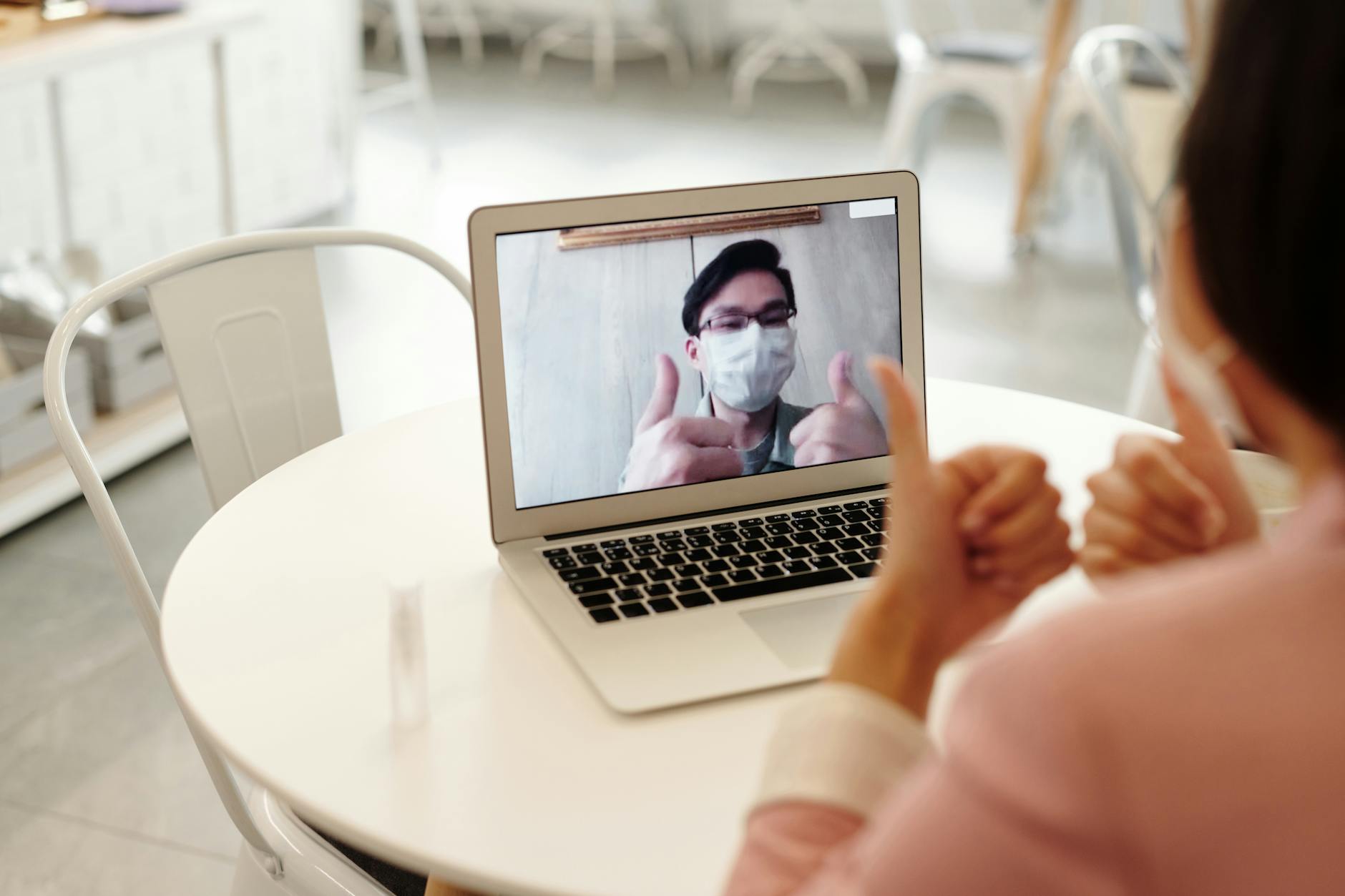
Even in major cities, finding interpreters available at short notice is difficult. Nursing homes in rural Wyoming, Mississippi, or upstate New York may have no interpreter available within 50 miles. This creates a perverse situation: a facility might acknowledge its legal obligation but genuinely struggle to fulfill it. Meanwhile, the deaf resident bears the consequences of a broken system. Some facilities have attempted video remote interpreting (VRI)—using Zoom or similar platforms with interpreters—but connectivity issues, poor audio quality, and the awkwardness of discussing sensitive health topics on video make this imperfect at best.
How Deaf Residents Adapt Their Own Communication Strategies
Many deaf residents become highly skilled at extracting meaning from incomplete information. They watch staff routines closely, learn schedules, and anticipate needs rather than waiting for clear communication. A resident might bring a blood pressure cuff to show a nurse when their blood pressure is high, bypassing the need to explain symptoms verbally. Others keep detailed medical logs or photos of health issues to show staff.
These adaptations represent remarkable resilience, but they also represent a failure of the system to meet residents at their level of communication need. Some residents use their smartphones as communication devices, texting family members or friends who call the facility on their behalf. Others participate in online deaf communities and networks where they share survival tips for navigating specific nursing homes—information that creates an informal database of which facilities have ASL-fluent staff or are responsive to requests for interpreters. This peer support is valuable but highlights how deaf residents must rely on each other to compensate for institutional gaps. The comparison is stark: a hearing resident can simply talk to staff; a deaf resident must plan, document, and mobilize resources just to communicate basic needs.
Working With Family Members and Advocates as Unofficial Interpreters
For many deaf nursing home residents, family members serve as the primary communication bridge. An adult child visits several times a week or joins video calls with the doctor. A spouse attends medical appointments. This arrangement works better than nothing, but it’s fraught with limitations. Family members typically aren’t trained interpreters and may miss or misinterpret medical terminology. The resident loses privacy—discussing intimate health concerns with a family member present is different from discussing them with a neutral professional.
Additionally, this arrangement only works if the resident has a willing and available family member, creating a two-tiered system where isolation compounds communication barriers. Some facilities allow trained volunteers or community interpreters to fill gaps. A local deaf organization might send someone to visit regularly, or a college student studying ASL might volunteer. These arrangements can work well when consistent, but they’re rare and usually depend on someone’s goodwill rather than being institutionalized policy. The comparison to hearing residents is unavoidable: a hearing resident never needs a family member present to communicate with staff, yet many deaf residents cannot navigate their facility without one. Some progressive facilities have begun hiring deaf staff members, which transforms the experience entirely—suddenly multiple staff members share the residents’ language, and communication becomes incidental rather than a managed crisis.
The Hidden Dangers of Communication Gaps in Healthcare
Without reliable interpreters, deaf residents face genuine medical risks. A resident with a history of medication allergies might not be able to clearly communicate this to a new doctor if no interpreter is present. Another might sign or gesture about pain but have the symptom misunderstood, leading to incorrect treatment. Missed information during hospital admissions—allergies, medication interactions, advanced directives—can have serious consequences. One study of deaf patients found that communication barriers in healthcare settings led to longer hospital stays, more tests, and higher rates of adverse events compared to hearing patients with similar conditions.
Emergency situations are particularly dangerous. If a fire alarm sounds and deaf residents can’t see the visual alarm (many facilities lack compliant visual alerting systems), they won’t know to evacuate. If a medical emergency occurs during night shift when a resident can’t see staff signing, critical time is lost. Some facilities have attempted to mitigate this by assigning specific staff members to check on deaf residents during emergencies, but this is reactive rather than preventive. The warning here is clear: relying on workarounds in healthcare settings puts lives at risk. A deaf resident adapting to poor communication isn’t inspiring—it’s a sign that the system is failing them.

Technology Solutions and Their Real-World Limitations
Video remote interpreting (VRI) offers promise in theory but faces practical obstacles. A nurse can call a VRI service during a medication review, and an interpreter appears on a video screen within minutes. The technology exists and costs less than in-person interpreters. However, VRI works poorly for ongoing relationships, real-time quick questions, and intimate care discussions. A resident needs to discuss bathroom assistance or a personal medical concern—using a video interpreter feels impersonal and awkward. Additionally, VRI requires stable internet, a device, and staff trained to use it effectively.
Many nursing homes, particularly older facilities, lack the infrastructure to make VRI reliable. Some facilities have experimented with communication boards, visual schedules, and pictorial systems. A resident can point to symbols representing meals, medications, or pain levels. While these help with routine communication, they’re inflexible and infantilizing for adult residents. A deaf adult shouldn’t be reduced to pointing at pictures to communicate; that’s a failure of accommodation, not an innovative solution. Artificial intelligence-based translation tools are emerging, but they don’t yet reliably handle ASL or the nuanced communication required in healthcare. For now, there’s no technological substitute for the presence of a qualified interpreter.
Progress, Advocacy, and What Change Looks Like
Change is happening, but slowly. Some states have begun investigating nursing homes for ADA violations, and a few high-profile cases have resulted in settlements requiring facilities to improve interpreter access. Advocacy organizations like the National Association of the Deaf (NAD) are pushing for stronger enforcement and funding. A few pioneering nursing homes have made hiring deaf staff and providing interpreters a priority, and they report that communication improves dramatically across their entire deaf resident population. When residents can communicate freely, they’re more engaged, better informed about their care, and less isolated.
The future might include regulatory requirements for interpreter access, better funding mechanisms, and cultural shifts within nursing homes toward treating deaf communication as a priority rather than an afterthought. Some facilities are training all staff in basic ASL and visual communication strategies. Others are investing in VRI infrastructure as a fallback. The most progressive facilities recognize that deaf residents bring diversity and resilience to their communities—that accommodating them well benefits everyone. But this progress isn’t inevitable. It depends on continued advocacy, enforcement of existing laws, and a willingness to invest in solutions rather than accept workarounds as normal.
Conclusion
Deaf people navigate nursing homes without interpreters through a combination of personal resilience, family support, and adaptive strategies that often mask systemic failures. They write notes, lip read, use gestures, rely on family members, and develop deep knowledge of their facilities’ routines. This is impressive in its way, but it shouldn’t be necessary.
Federal law requires interpreter access; the fact that so many deaf residents lack it reflects institutional indifference, inadequate funding, and weak enforcement rather than genuine barriers. Moving forward, the nursing home experience for deaf residents will improve only if facilities prioritize communication access as a fundamental right rather than an optional service. This means hiring deaf staff, budgeting for professional interpreters, investing in technology where appropriate, and training all employees in visual communication. Until then, deaf residents will continue to navigate their care with the same resourcefulness they’ve always shown—not because it works well, but because the system has left them no choice.
Frequently Asked Questions
Is it illegal for a nursing home to deny interpreter services to a deaf resident?
Yes. Nursing homes receiving Medicare or Medicaid funding must provide qualified interpreters under the Americans with Disabilities Act. However, enforcement is weak, and many facilities violate this requirement without serious consequences.
What should a deaf person or their family do if the nursing home refuses to provide interpreters?
Document all requests for interpreters and the facility’s responses. Contact your state’s ombudsman, file a complaint with the Department of Justice, or contact advocacy organizations like the National Association of the Deaf (NAD). In some cases, consulting an attorney is necessary.
Are video remote interpreters (VRI) an acceptable substitute for in-person interpreters?
VRI can supplement in-person interpreting for routine communications, but it’s not a complete substitute. It works poorly for ongoing relationships, intimate care, and situations requiring real-time response. The ADA allows VRI in some circumstances but doesn’t eliminate the need for in-person interpreters.
Can family members serve as interpreters in nursing homes?
Family members can help with communication, but they aren’t trained interpreters and may miss or misunderstand important medical information. They also may not be available consistently, and using them creates privacy concerns. They should supplement, not replace, professional interpreters.
Do all nursing homes have visual alarm systems for deaf residents?
No. Many don’t. Facilities are required to have visual alerts under the ADA, but compliance varies widely. Deaf residents and families should verify that their facility has compliant visual alarms before admission.
What’s the difference between ASL interpreters and other types of interpreters?
ASL (American Sign Language) interpreters are trained specifically in the Deaf community’s language and culture. They understand not just vocabulary but context and communication norms. Untrained staff or family members attempting to interpret often miss nuance and accuracy, which is why qualified ASL interpreters are essential for healthcare.
You Might Also Like
- How Deaf People Navigate Veterinary Care Without an Interpreter
- How Deaf People Navigate Pharmacy Without an Interpreter
- How Deaf People Navigate Optometry Without an Interpreter
Learn more: ADA.gov — Effective Communication — ADA effective communication requirements for businesses serving customers with disabilities.
Frequently Asked Questions
How do Deaf people communicate in everyday service settings without an interpreter?
Deaf people use a combination of writing, typing on phones, gesturing, lip-reading when possible, and asking staff to face them and slow down. Many Deaf customers come prepared with notes or communication apps for common requests.
What can service workers do to make Deaf customers feel more welcome?
Face the customer directly, maintain good lighting on your face, speak or gesture at a natural pace, and address the Deaf customer directly — not their hearing companion. Learning even five to ten ASL signs signals genuine respect and dramatically improves the interaction.
Do all Deaf people use American Sign Language?
No. Some Deaf people use ASL, others use signed English variants, tactile signing, cued speech, or rely primarily on written or oral communication. Always follow the customer’s lead on their preferred communication method.