
A mouth morpheme in American Sign Language (ASL) is a non-manual marker created with the mouth, lips, or jaw that carries grammatical and semantic meaning alongside hand signs. Unlike hand signs that form the primary vocabulary of ASL, mouth morphemes are visual linguistic features that modify or enhance the meaning of signs—sometimes drastically changing a sign’s interpretation or adding emotional nuance. For example, the sign for “puff” combined with puffed cheeks means “very big” or “huge,” while the same hand configuration with a different mouth shape conveys something entirely different.
Rather than a fixed inventory, mouth morphemes exist as a flexible system of non-manual signals. Linguists have identified dozens of distinct mouth shapes and positions that function as meaningful units in ASL, though the exact count varies depending on how researchers categorize them. For young learners, what matters most is understanding that mouths in sign language aren’t passive—they’re active communicators working together with hands to convey complete thoughts.
Table of Contents
- Why Mouth Morphemes Matter in American Sign Language
- The Linguistic Function of Mouth Shapes in Sign Language
- Common Mouth Morphemes and Their Functions
- How Non-Manual Signals Develop in Young Learners
- Individual Variation and Regional Differences
- Mouth Morphemes Beyond Grammar
- The Future of Understanding Mouth Morphemes in ASL Pedagogy
- Conclusion
Why Mouth Morphemes Matter in American Sign Language
Mouth morphemes serve critical grammatical functions in asl that have no direct written English equivalent. They can indicate whether a question is being asked, convey size or intensity, show agreement or disagreement, express emotion, and mark verb tenses or aspects. Without attention to these mouth movements, a signed sentence can become ambiguous or lose essential meaning. A young child watching signed input who hasn’t yet developed awareness of mouth morphemes may miss grammatical nuances that fluent signers communicate effortlessly.
In early language development, children first notice and imitate the larger, more visible hand movements before picking up on subtle mouth morphemes. This is developmentally normal, similar to how hearing children master vowel sounds before consonants. Parents and educators who emphasize mouth morphemes during sign language instruction help children develop the full linguistic toolkit they’ll need for fluent ASL use. The mouth morpheme system is particularly important because it’s not optional—it’s a core part of ASL grammar.

The Linguistic Function of Mouth Shapes in Sign Language
Mouth morphemes operate differently from manual signs because they can occur simultaneously with hand movement while adding layers of meaning. A single hand sign paired with different mouth morphemes can shift from a statement to a question, from a small version of something to a large version, or from a neutral description to an emotional or emphatic one. This simultaneous layering of information makes ASL a remarkably efficient language—speakers can pack grammatical and semantic information into a small window of time.
One limitation that educators should understand: mouth morphemes can be subtle and difficult for non-native signers or people with certain vision conditions to perceive clearly. A toddler learning to sign may miss mouth morphemes entirely, especially if they’re not yet looking at the face with consistent attention during language input. This is why clear, exaggerated mouth morpheme use is important in early childhood instruction—it gives children a better chance of noticing and internalizing these features. Lighting and distance also matter; a mouth morpheme performed in poor lighting or from too far away becomes imperceptible.
Common Mouth Morphemes and Their Functions
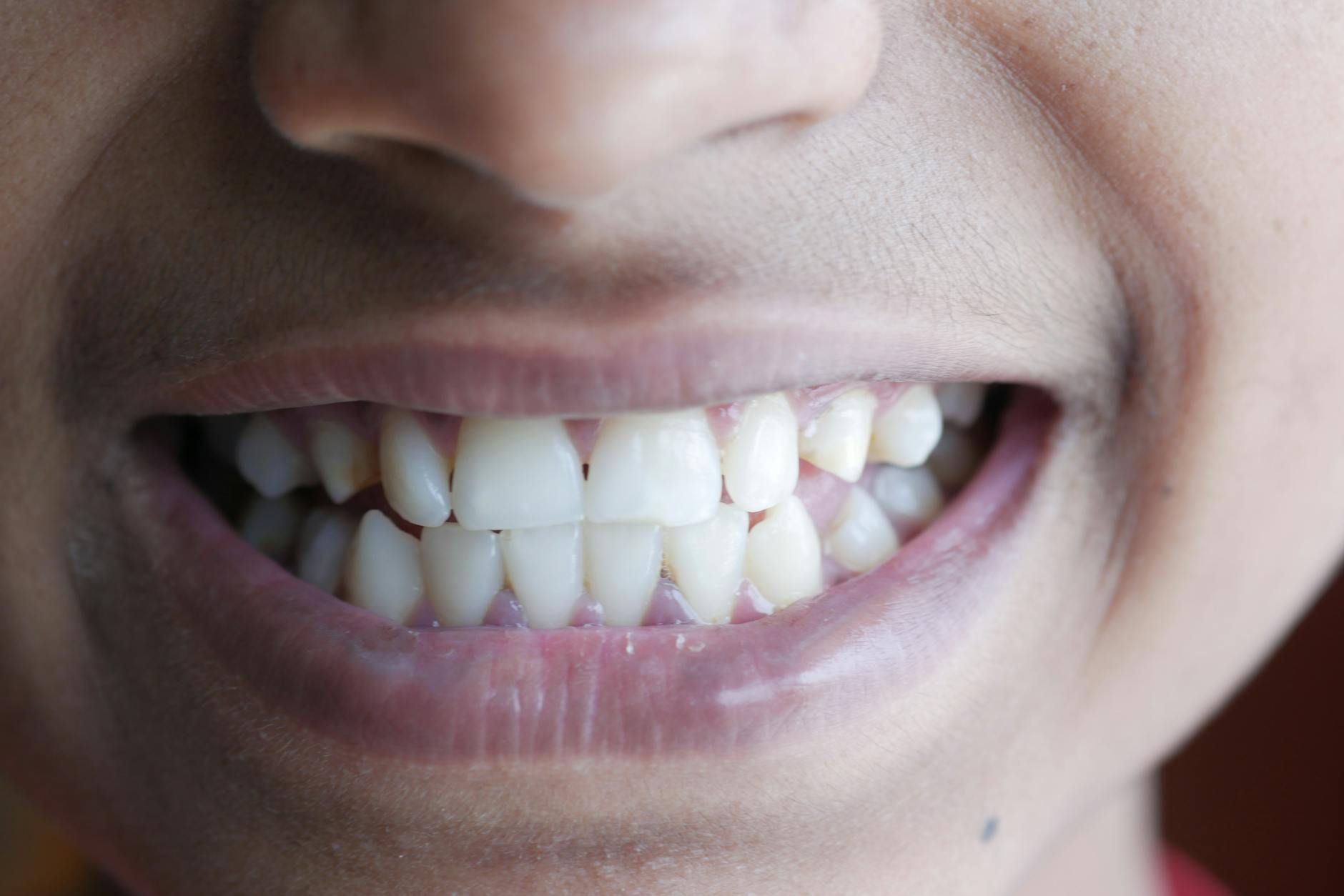
Some of the most frequently used mouth morphemes in ASL include the “puffed cheek” morpheme (indicating largeness or inflation), the “th” mouth shape (expressing negation, disbelief, or disagreement), the “oo” shape (indicating smallness or rounding), and the pursed-lip shape (often expressing doubt or carefulness). The “mm” mouth movement appears in affirmative contexts, while pursed and slightly protruding lips sometimes indicate precision or exactness. Eye gaze, brow position, and head tilt often accompany these mouth shapes, creating what linguists call “non-manual signal clusters” that work together to convey complete meaning.
A real-world example helps illustrate this: a parent signing the concept “BABY” combined with the puffed-cheek morpheme means “a huge baby” or “a very large infant,” which can be humorous or emphatic depending on context. That same BABY sign without mouth morphemes is simply a neutral reference to an infant. Young children picking up on this distinction begin to understand that ASL is not just about hand shapes and positions—it’s about the entire face working as a unified communicative system. This holistic approach to signing becomes more natural as children develop.
How Non-Manual Signals Develop in Young Learners
Toddlers learning sign language acquire mouth morphemes gradually, typically after establishing a foundation with hand signs. A child might produce perfect hand configurations for several months before naturally incorporating the accompanying mouth shapes. This developmental sequence is not a sign of delayed learning—it’s typical language acquisition.
Just as hearing toddlers first master simple consonant sounds before handling complex consonant clusters, signing children layer linguistic features over time. Teachers and parents can support this development by consistently modeling mouth morphemes with clear visibility and slight exaggeration, especially in high-frequency signs and concepts relevant to the child’s daily life. The tradeoff is between natural signing and pedagogical clarity: exaggerating mouth morphemes might feel unnatural to native signers, but it gives young learners a clearer target to imitate. Over time, as children internalize the patterns, they naturally adopt a more relaxed, age-appropriate signing style that still includes properly executed mouth morphemes.
Individual Variation and Regional Differences
Mouth morpheme use is not entirely standardized across all ASL signers or regions. Some regional variations exist in how mouth morphemes are produced, and individual signers may emphasize certain mouth features more than others based on personality, clarity preferences, or regional signing conventions. This variation is similar to accent differences in spoken languages—it’s normal and acceptable. However, the core grammatical function of mouth morphemes remains consistent across ASL communities.
A warning for early educators: exposure to multiple signing styles, including regional variations, is beneficial for children, but it’s important that early language input be clear and consistent. A child learning from multiple signers with vastly different mouth morpheme production styles might initially become confused about which features are essential versus stylistic. Starting with clear, standard mouth morpheme production and later introducing regional and individual variation creates a more stable linguistic foundation. This doesn’t mean limiting exposure, but rather being intentional about sequencing that exposure.
Mouth Morphemes Beyond Grammar
While mouth morphemes carry grammatical weight, they also convey emotional tone and speaker attitude in ways hand signs alone cannot capture. A sign produced with a surprised, open-mouth expression communicates something fundamentally different from the same sign produced with a skeptical or disgusted mouth shape. Young children are highly sensitive to facial expression, and the emotional layer of mouth morphemes helps them understand not just the literal meaning of signed input but also the speaker’s feelings and intentions about that meaning.
For example, a parent signing “NO” with a relaxed mouth is very different from signing “NO” with a tight, angry mouth or a surprised mouth shape. The child learns not just the sign’s referential meaning but also social and emotional content from the mouth morpheme. This integration of emotional and grammatical information makes mouth morphemes crucial for comprehensive language and social-emotional development in signing children.
The Future of Understanding Mouth Morphemes in ASL Pedagogy
As research in sign language linguistics continues to advance, our understanding of mouth morphemes becomes more nuanced and precise. Technology like video recording and slow-motion analysis has helped researchers document and categorize mouth morphemes in ways that weren’t possible decades ago.
For educators and parents, this means that best practices for teaching mouth morphemes continue to evolve—what was accepted practice 20 years ago might now be understood differently through the lens of contemporary linguistics. For children beginning their ASL journey, the future holds better resources for understanding and imitating mouth morphemes, from interactive digital tools to more comprehensive signing instruction materials that explicitly teach these non-manual features. As deaf and hard-of-hearing children have greater access to Deaf mentors and community models, and as more hearing parents learn to sign, the transmission of this rich, complex feature of ASL becomes more robust and natural.
Conclusion
Mouth morphemes are essential, though often overlooked, components of ASL grammar and communication. They are non-manual signals created with the mouth, lips, and jaw that carry grammatical meaning, emotional nuance, and semantic precision. While there is no fixed number of mouth morphemes—linguists identify dozens that function as meaningful units—what’s important is recognizing that they’re not decorative or optional; they’re integral to how ASL conveys meaning.
For parents and educators of young signers, the key takeaway is this: attend to the entire face when signing with children, exaggerate mouth morphemes slightly during early instruction, and model these features consistently. As children grow, they’ll naturally internalize the mouth morpheme system and develop the sophisticated facial expressiveness that characterizes fluent ASL. By recognizing mouth morphemes as a critical language feature from the start, you’re giving young learners access to the full richness and precision of American Sign Language.