
Learning sign language fluently typically takes three to five years of consistent, regular exposure and practice for most learners, though young children can develop foundational communication skills much more quickly—often within the first six to twelve months. The timeline depends heavily on the child’s age, exposure frequency, and the learning environment, but the good news is that children’s brains are naturally wired to acquire language rapidly, whether spoken or signed. A toddler growing up with sign language from birth, particularly in a Deaf household, will progress through language stages remarkably fast and can be conversationally fluent by age three or four, while a hearing child introduced to sign language at age two or three may take a bit longer but will still develop impressive skills with consistent exposure. For parents learning sign language alongside their children, expect a different timeline altogether—adult learners typically need two to four years of deliberate study and practice to reach conversational fluency, making it a longer journey than children experience naturally.
Table of Contents
- What Does Sign Language Fluency Actually Mean for Young Learners?
- The Impact of Age and Exposure Consistency on Learning Speed
- The Milestones Your Child Will Reach on the Path to Fluency
- Structuring Your Child’s Sign Language Learning Environment
- Plateaus, Regression, and When Progress Feels Stalled
- The Deaf Family Advantage—And How Hearing Families Can Bridge the Gap
- From Childhood Fluency to Lifelong Sign Language Skills
- Conclusion
- Frequently Asked Questions
What Does Sign Language Fluency Actually Mean for Young Learners?
Fluency in sign language doesn’t mean perfection or native-like speed—it means the ability to communicate clearly, understand others, and express complex thoughts without constantly stopping to think about grammar or vocabulary. For a toddler or young child, basic fluency might look like a two-year-old signing about thirty to fifty signs expressively and understanding many more, while a five-year-old fluent signer can tell stories, ask questions, negotiate, and engage in back-and-forth conversation. The distinction matters because the fluency of a three-year-old signer looks very different from a ten-year-old signer, but both can be genuinely fluent for their developmental stage.
Comparing sign language fluency to spoken language development helps clarify the timeline. Just as a hearing child speaks 500 words by age two and 2,500 words by age five, a deaf or hard-of-hearing child with proper sign language exposure follows a similar trajectory with signs. A child exposed to sign from birth reaches vocabulary milestones faster than a hearing parent learning sign simultaneously because the child’s brain prioritizes language acquisition as a core developmental task.

The Impact of Age and Exposure Consistency on Learning Speed
Age matters significantly—infants and toddlers acquire sign language faster than older children or adults because their brains are in the peak language-learning window. A six-month-old exposed to sign daily will begin recognizing and mimicking signs, while a six-year-old learning sign for the first time will need more explicit instruction and deliberate practice to reach the same level. However, consistency matters more than age: a four-year-old with daily sign exposure for one year will progress faster than a two-year-old with sporadic weekend sign classes.
One critical limitation to understand is that language acquisition requires consistent exposure across contexts—not just in classes or tutoring sessions, but in daily conversations at home, during meals, at bedtime, and while playing. A child who sees sign language only during weekly lessons will develop skills far more slowly than one signed to throughout the day. Research on sign language acquisition shows that children need immersion-like exposure to make rapid progress, and partial exposure—even a few hours a week—extends the timeline considerably.
The Milestones Your Child Will Reach on the Path to Fluency
In the first year of sign exposure, even very young children progress through recognizable stages: around three to six months, they begin recognizing familiar signs and may start approximating hand shapes or movements; by nine to twelve months, they produce their first intentional signs, often using simplified forms that parents and caregivers understand. A one-year-old might sign “milk” when hungry or “more” when wanting additional food, representing genuine communication rather than imitation.
By age two to three, children with consistent sign exposure begin combining signs into two-sign phrases—”mommy eat,” “daddy play,” “more milk”—and understand many signs in context. By age four to five, fluent young signers construct longer sentences, ask questions with sign order variations, understand narratives, and can engage in genuine back-and-forth conversation. A five-year-old might sign, “Yesterday we went to the park and I played on the slide with my friend” without stopping to search for signs, demonstrating genuine fluency for their developmental stage.
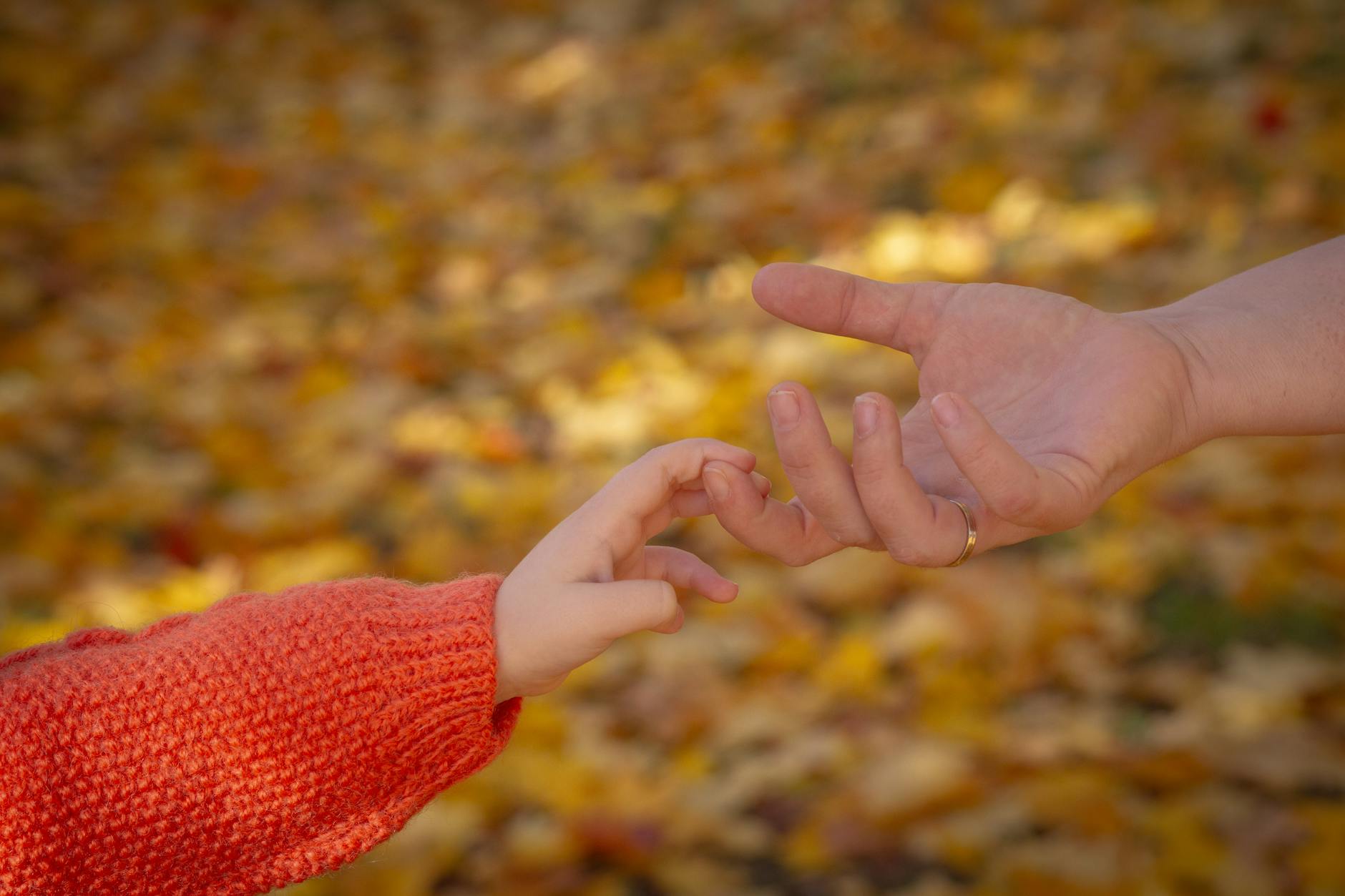
Structuring Your Child’s Sign Language Learning Environment
The most effective approach combines natural, conversational signing in the home with intentional instruction and community exposure. This means parents or caregivers sign throughout daily routines—during meals, diaper changes, playtime, and bedtime—rather than treating sign language as a separate academic subject. The comparison here is useful: a child who hears English only in English class (rather than throughout daily life) will never become fluent, and the same principle applies to sign language.
A tradeoff exists between speed and sustainability: intensive immersion through a residential Deaf school accelerates fluency development dramatically, but it requires the child to attend a separate school and may distance them from hearing family members. In contrast, learning sign at home with family and community Deaf mentors takes slightly longer but maintains family connection and allows the child to develop in their actual living environment. Many families choose a middle path—consistent home signing combined with community involvement, classes, and cultural activities—which typically achieves conversational fluency by ages four to five while preserving family cohesion.
Plateaus, Regression, and When Progress Feels Stalled
Many parents experience periods where their child’s sign language progress seems to stop, particularly around ages three to four when children may focus more intensely on spoken language development or other skills. These plateaus are normal and do not indicate a problem; the brain is reorganizing knowledge rather than moving backward. A child who was signing forty signs at age two might not add new signs for several weeks, then suddenly jump to sixty signs, demonstrating how learning is not always linear. One warning that deserves emphasis: if a child loses sign language fluency or stops using signs frequently after being fluent, the loss usually reflects reduced exposure rather than cognitive regression.
A child who moved from a signing school to a non-signing environment or experienced reduced contact with Deaf family members will regress quickly. Maintaining fluency requires ongoing exposure and use; like any language, sign language atrophies without practice. Additionally, be aware that children sometimes go through phases of rejecting sign language, particularly in hearing environments where they feel different from peers. This is a social-emotional issue, not a learning capacity issue, and requires addressing the child’s feelings about sign language rather than more intensive instruction.

The Deaf Family Advantage—And How Hearing Families Can Bridge the Gap
Children born to Deaf parents and exposed to sign language from birth typically reach fluency fastest—often by age three—because sign language is the natural first language of the home environment, used for all communication and storytelling. These children have the advantage of constant, natural immersion and the cognitive benefit of native language development.
Their brain organizes around sign language as its foundation language, supporting faster acquisition of English and other languages later. Hearing families can approximate some advantages of this immersion by creating regular signing routines, joining Deaf community groups, arranging playdates with signing children, and recruiting Deaf mentors or teachers for their child. While not quite the same as being born into a signing family, consistent community involvement significantly accelerates a hearing child’s timeline toward fluency.
From Childhood Fluency to Lifelong Sign Language Skills
The fluency a child develops in early childhood becomes the foundation for deeper competence throughout life. A child who reaches conversational fluency by age five has the cognitive and linguistic framework to develop sophisticated fluency—understanding idioms, using nuanced facial expressions, participating in humor and storytelling—over the coming years.
The early-childhood years are not a race to perfection but an investment in language foundations that will support communication and cultural participation throughout the child’s life. Looking forward, families who prioritize sign language in early childhood often find that their child develops not just language skills but also cultural awareness, confidence in Deaf spaces, and the ability to communicate with a broader community. This ripples outward, as children become bridges between Deaf and hearing worlds in their families.
Conclusion
Most children with consistent, regular sign language exposure reach conversational fluency within three to five years, but young children often develop foundational communication skills within the first year and basic conversational fluency by ages three to four. The exact timeline depends on age at first exposure, consistency of exposure, access to Deaf community and mentors, and the support available at home and in educational settings.
Rather than thinking of fluency as a single finish line, it’s more helpful to recognize that children progress through recognizable stages—from first signs, to combining signs, to telling stories—each stage marking genuine achievement. If you’re introducing sign language to your child, focus on consistency over intensity, seek out Deaf community connection, and remember that the goal is not perfect signing but genuine communication and cultural participation. Start today with the signs you know, learn alongside your child, and trust that regular exposure will build the fluency that opens doors to connection and belonging in your child’s life.
Frequently Asked Questions
Can a child become fully fluent in sign language before starting school?
Yes. Children with consistent sign language exposure from infancy often reach age-appropriate fluency by ages four to five, developing vocabulary, grammar, and conversational skills before formal schooling begins. This timeline compares directly to spoken language development.
Is it too late to teach a child sign language if they are already three or four years old?
Not at all. While younger children acquire language faster, children of any age can become fluent in sign language. A four-year-old starting sign language now will likely reach conversational fluency by age six or seven, assuming consistent exposure.
Will learning sign language slow down my child’s development in English?
No. Bilingualism in signed and spoken languages (or two signed languages) does not delay development. Research shows bilingual children often develop stronger overall language skills and cognitive flexibility, though they may reach age-appropriate vocabulary levels in each language separately.
How much daily exposure does my child need to become fluent?
Most research suggests children need at least a few hours of daily exposure to achieve fluency within a reasonable timeline. Weekly classes alone will progress slowly; daily conversations, play, and interaction accelerate learning significantly.
What if only one parent signs and the other doesn’t?
Children can become fluent with sign language exposure from one parent or caregiver, though adding more signers accelerates the process. The signing parent should sign consistently throughout daily routines, and seeking Deaf mentors or community involvement can supplement exposure.
Should I worry if my child doesn’t seem to be progressing as fast as other signing children?
Every child develops at their own pace, and comparison often creates unnecessary worry. Focus on consistent exposure and engagement rather than speed of progress. If you have genuine concerns about language development broadly (spoken or signed), discuss them with your pediatrician.