
Teaching please and thank you in baby sign language starts with modeling the signs consistently during everyday interactions. The sign for “please” involves making a flat hand over your chest and moving it in a circular motion, while “thank you” is made by touching your fingers to your chin and then moving your hand away, similar to a kiss. Begin introducing these signs when your child is around 6 to 12 months old, even if they don’t sign back immediately, because babies absorb language long before they can produce it. The key to success is making these polite gestures a natural part of your daily routine rather than a formal lesson. When your child asks for juice, you sign “please” while saying the word aloud and give them the juice.
When someone hands them a toy, you guide their hands into the “thank you” sign while praising them. This repetition builds both the motor skills and the understanding that these signs are important social tools. Children who learn sign language early often become more socially aware because they’re learning politeness through multiple channels—visual, tactile, and auditory. Introducing these signs early has a practical advantage over waiting until children can speak: sign language allows them to communicate gratitude and requests clearly even before speech develops. A 10-month-old who can sign “please” is capable of asking for what they need politely, which reduces frustration for both child and caregiver.
Table of Contents
- What Do the Basic Signs for Please and Thank You Look Like?
- When Should You Start Teaching These Signs to Your Baby?
- How Do You Model and Reinforce These Signs in Daily Routines?
- What’s the Best Way to Encourage Your Child to Produce the Signs?
- What Challenges Might You Face When Teaching Politeness Signs?
- How Does Signing These Words Support Emotional Development?
- Building a Foundation for Lifelong Politeness and Inclusive Communication
- Conclusion
- Frequently Asked Questions
What Do the Basic Signs for Please and Thank You Look Like?
The “please” sign in American Sign Language (ASL) is performed by placing your hand flat against your chest with your palm facing inward, then making a circular motion. Some signers make this motion smaller or larger depending on how emphatic they want to be. The sign originates from the idea of “smoothing your heart” or showing politeness from within. In contrast, the “thank you” sign involves touching your fingers to your lower lip or chin and then moving your hand away from your face, palm up. Some variations show the hand moving away from the mouth instead, but the chin-to-away version is most commonly taught to young children.
Understanding these physical details helps you teach them correctly. If you’re teaching your child, your hand placement and movement matter because babies learn through careful observation and imitation. A common mistake parents make is rushing the sign or not holding it long enough for the child to process what they’re seeing. When you’re demonstrating, exaggerate your movements slightly and maintain the sign for a full second or two so your child can really register what’s happening. Different regions and different deaf communities sometimes use variations of these signs, so if you’re learning from a deaf instructor or in a deaf family, their version might look slightly different from what you’d find in an ASL dictionary. This is similar to how spoken English has regional accents and word choices—the meaning is the same, but the execution can vary.

When Should You Start Teaching These Signs to Your Baby?
The optimal time to introduce “please” and “thank you” in sign language is between 6 and 12 months old, when babies are beginning to understand words and gestures but before they’re expected to produce them consistently. At this age, your baby’s brain is rapidly absorbing language patterns, and signing throughout daily routines helps establish these signs as normal communication. You don’t need to wait until your child is older or until they’ve mastered other signs first—these two gestures are useful starting points precisely because you can use them in real, meaningful situations multiple times a day. The limitation of teaching too early is that you may not see your child produce the signs back for several months, and some parents give up because they assume their baby isn’t learning. However, studies in sign language development show that babies understand signs long before they can form them with their hands.
A baby might not physically sign “thank you” until 14 or 16 months old, but they may understand the sign and what it means starting around 10 or 11 months. The waiting period can feel frustrating, but it’s a normal part of language acquisition. If your child is older than 12 months and you’re just starting, don’t worry—children continue to learn sign language throughout their early years. A 2-year-old or 3-year-old can pick up “please” and “thank you” much more quickly than an infant because they have better motor control and cognitive understanding. The main advantage of starting earlier is that these signs become ingrained in their daily experience and feel as natural as spoken words do for hearing children.
How Do You Model and Reinforce These Signs in Daily Routines?
Modeling is the most powerful teaching tool for sign language. Every time you hand your child a snack, sign “please” and “thank you” as you do it. If someone gives your child a toy, immediately sign “thank you” while saying it aloud, then gently guide your child’s hands into the sign if they’re old enough to cooperate. The consistency matters more than the intensity—a few natural, genuine moments throughout the day are more effective than one formal practice session. For example, at mealtimes, you might sign “please” before your child eats, and “thank you” after they’re done or when you hand them their plate. One powerful technique is called “sandwich modeling,” where you sign the word, speak it, and sign it again.
This reinforces the connection between the signed form, the spoken word, and the context. You might say “please” while signing it, then say “thank you” after your child receives what they asked for, immediately signing it again. This repetition helps your child understand that the sign and the word are linked to the same concept. A common pitfall is inconsistency. If you sign “please” sometimes but not always, your child may not realize it’s an important social norm. If one caregiver signs these gestures regularly but another doesn’t, the child receives mixed messages. Making a pact with all caregivers in your child’s life—parents, grandparents, daycare providers—to use the signs consistently yields much better results than sporadic teaching.

What’s the Best Way to Encourage Your Child to Produce the Signs?
Encouraging your child to actually sign “please” and “thank you” requires patience and positive reinforcement. When your child makes an attempt at the sign, even if it’s messy or incomplete, you should respond enthusiastically and fulfill their request. This teaches them that the sign is effective communication. For instance, if your 14-month-old attempts a rough version of “please” while reaching for a toy, you sign “please” back clearly and hand them the toy while saying “You said please! Here’s the toy!” This reinforces that their attempt was correct and meaningful. Some parents worry about whether to require the sign as a condition for giving their child what they ask for. A gentler approach is more effective than strict enforcement. Rather than saying “Sign please first,” you might say “You want the cookie? Let’s sign please together,” and then guide their hands gently into the sign while they’re reaching for it.
This collaborative approach makes signing feel like a fun shared activity rather than a barrier to getting what they need. The alternative—withholding items until the sign is perfect—can create stress and actually slow down language development. A tradeoff to consider is the balance between signed and spoken communication. Some children will naturally combine both (signing and saying “thank you”), while others might prefer one mode over the other, especially if hearing and speaking are their primary communication. Both are correct. Your goal isn’t to force exclusive signing but to give your child access to this additional communication tool. A child who signs “please” but also says it out loud is perfectly bilingual in that moment.
What Challenges Might You Face When Teaching Politeness Signs?
One of the most common challenges is that young children simply forget the signs when they’re upset, hungry, or overwhelmed. A toddler who knows “please” perfectly well might completely bypass it and resort to screaming when they’re frustrated. This is developmentally normal and not a sign of failed teaching. Their emotional regulation and executive function aren’t developed enough yet to remember to use the polite sign when they’re dysregulated. The solution is to continue modeling without judgment, and perhaps gently remind them of the sign once they’ve calmed down. Another challenge is distinguishing between a child who doesn’t understand the sign and a child who understands but chooses not to use it.
If your child consistently ignores the “please” sign, they may not have truly grasped its meaning or importance yet. Increasing your own use of the sign, and making it more obviously tied to positive outcomes, helps. For example, signing “please” with a big smile and extra enthusiasm when you’re about to give them something desirable (snack, toy, outside time) makes the sign feel more relevant and rewarding. A less obvious limitation is that some children with motor planning difficulties or certain developmental conditions may struggle to form the signs physically, even if they understand them. If you notice that your child understands the signs but has trouble executing them after 18 or 20 months, consider consulting with a speech-language pathologist. They can help you determine whether it’s a motor issue, a timing issue, or something else, and can adjust your teaching approach accordingly.
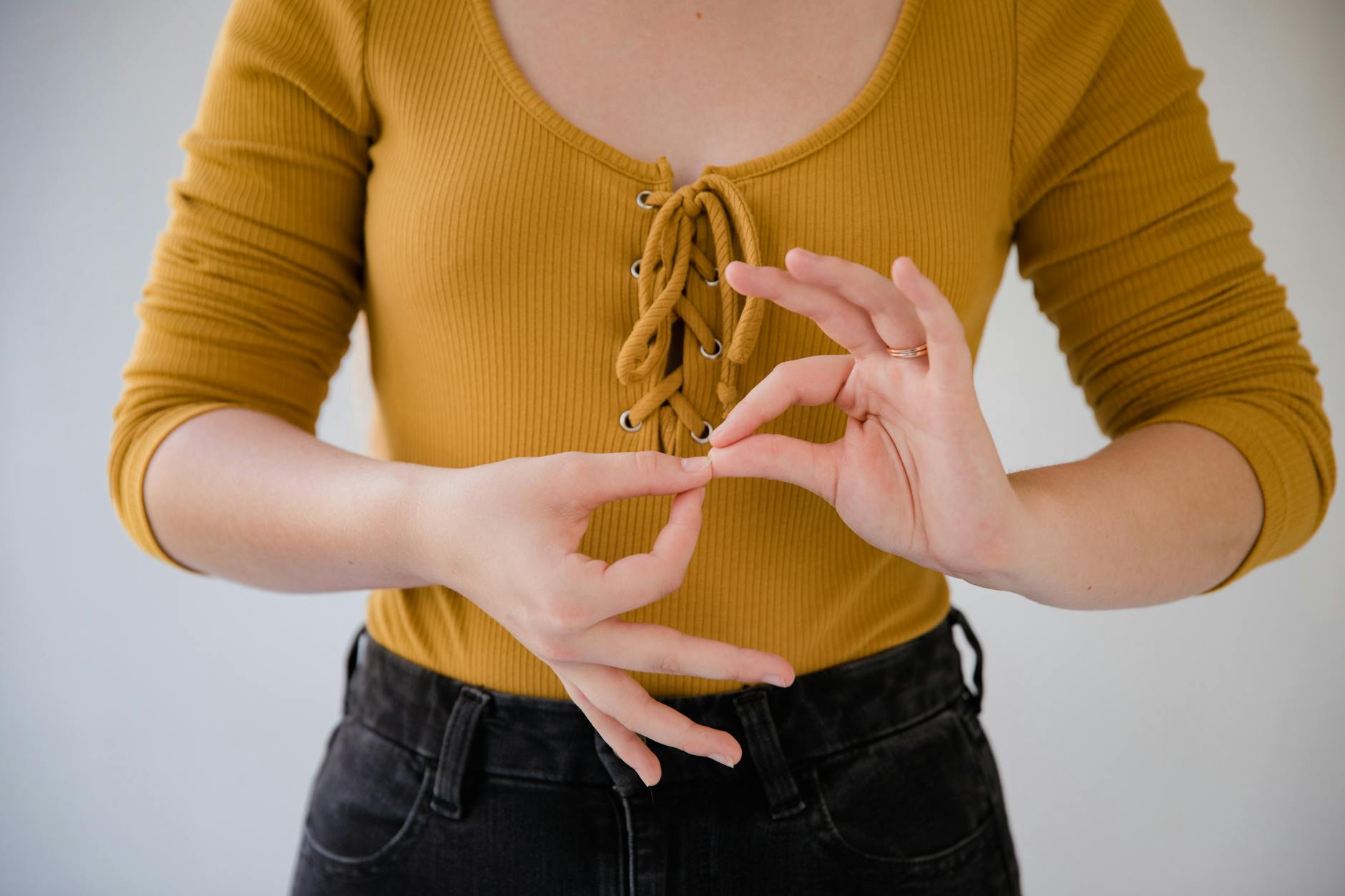
How Does Signing These Words Support Emotional Development?
Teaching politeness through sign language builds emotional awareness alongside manners. When you sign “thank you” with genuine warmth and expression, your child learns that gratitude is an emotion, not just a rule. Over time, children who learn signed politeness develop stronger awareness of how their actions affect others. A toddler who signs “thank you” to a caregiver after being helped experiences a real moment of connection and reciprocity.
Research on deaf and hard-of-hearing children shows that those who learn sign language early demonstrate better emotional regulation and social skills. Part of this is because sign language is so visually expressive—the facial expressions, hand movements, and body language all convey emotional nuance in ways that go beyond just the manual signs themselves. When you sign “thank you” with a smile and warm eyes, your child absorbs not just the sign but the emotional content of gratitude. A example of this is a parent signing “thank you” to their toddler after the child hands them a toy—the child sees the parent’s genuine appreciation and begins to understand the joy of giving.
Building a Foundation for Lifelong Politeness and Inclusive Communication
Teaching “please” and “thank you” through sign language from infancy sets up a lifetime of inclusive communication. Your child grows up understanding that there are multiple ways to express the same concept, which builds cognitive flexibility and empathy. They’re more likely to value different communication styles and to naturally adapt their communication when interacting with deaf peers, deaf relatives, or anyone who signs.
As your child grows, these early habits become part of their identity. A child who’s signed “please” and “thank you” since infancy will continue to use these signs throughout childhood and adulthood, whether they’re primarily verbal speakers or fully bilingual signers. They’ll also model these polite behaviors for their own children someday, creating a multi-generational practice. The investment you make in teaching these signs early pays dividends not just in immediate politeness, but in building a child who values respectful communication across different languages and cultures.
Conclusion
Teaching “please” and “thank you” in baby sign language is an achievable and rewarding practice that starts with simple, consistent modeling. Begin with the correct hand shapes and movements, use the signs naturally throughout your daily routines, and respond positively when your child attempts to sign back. Remember that understanding comes before production, so don’t be discouraged if your baby watches and absorbs for months before actually signing these words themselves.
The broader benefit of this practice extends far beyond manners. You’re giving your child a rich, multi-modal communication toolkit and teaching them early that politeness and gratitude are important values. Whether your child becomes a fluent signer or uses sign language alongside spoken language, the early exposure to these polite gestures builds social awareness and inclusive communication skills that will serve them well throughout their life.
Frequently Asked Questions
At what age can I realistically expect my baby to sign “please” and “thank you” back to me?
Most children begin attempting these signs somewhere between 12 and 18 months old, though understanding comes earlier. Some children may not consistently use the signs until 20+ months, which is entirely normal. The key is to keep modeling without pressure.
Does teaching sign language mean my child won’t learn to speak?
No. Children who are exposed to sign language early typically become bilingual, using both sign and speech. Exposure to sign language doesn’t delay or prevent spoken language development, and for some children, it actually supports overall language development.
What if I don’t know sign language fluently? Can I still teach my child?
Yes, absolutely. You can learn the signs for “please” and “thank you” and practice them with your child. If possible, connecting with a deaf mentor, signing family member, or sign language instructor adds authenticity and cultural knowledge, but perfect fluency isn’t required to introduce these two foundational signs.
Should I require my child to sign “please” before I give them what they want?
A collaborative approach works better than a strict requirement. Instead of withholding items, guide them through the sign while they’re reaching for something, making it a shared moment. This builds positive associations with the sign rather than resistance.
What if my child signs “please” and “thank you” but doesn’t say the words aloud?
That’s completely fine and developmentally normal. Some children will naturally combine both modalities, while others prefer one. Both methods of communication are valid and should be celebrated.
Is there a “correct” way to sign these words, or do variations matter?
There are standard forms taught in ASL, but regional and community variations exist. The most important thing is consistency in your own teaching. If you’re learning from a deaf instructor or community, their version is equally correct.