
Easy baby sign language signs are simple hand gestures that communicate basic needs and concepts, designed to be learned by infants as young as 6 months old. Words like “milk,” “more,” “hungry,” and “water” are among the easiest to teach because they match what your baby experiences throughout the day and require straightforward hand movements. This article covers which signs to teach first, when your baby is developmentally ready to learn them, how to teach them effectively, and what research shows about the long-term benefits of signing with your infant.
Baby sign language works because it taps into something your baby can already do: watch your hands and face. Before babies can speak clearly, they can form hand shapes and movements, giving them a way to communicate with you when words aren’t ready yet. Studies from 2025 and 2026 show that babies exposed to sign language develop larger vocabularies and stronger early literacy skills compared to peers without sign exposure.
Table of Contents
- When Can Your Baby Start Learning Baby Sign Language?
- How Physical Development Shapes What Signs Your Baby Can Learn
- The Easiest Baby Signs to Teach First
- Practical Steps for Teaching Signs to Your Baby
- Addressing Misconceptions About Baby Sign Language
- What Research Shows About Long-Term Benefits
- Building Beyond Basic Signs
- Conclusion
When Can Your Baby Start Learning Baby Sign Language?
Your baby can begin learning sign language at 6 months old, though their ability to form clear, recognizable signs improves significantly around 8 months when hand strength and dexterity develop further. At 6 months, your baby’s hands are becoming more coordinated and they’re increasingly interested in watching your face and hands during interactions. This is the ideal window to start introducing signs, particularly during daily routines like feeding, changing, and playtime when attention is naturally focused on you. The timing matters less than consistency. A 6-month-old might not produce recognizable signs for weeks or months, but their brain is building associations between the sign, the word you’re saying, and the object or action.
Expect the first clear sign response around 8 to 12 months for most babies, though some pick up signs earlier. Don’t interpret lack of immediate signing as lack of understanding—your baby is learning even if they’re not yet producing the signs themselves. Starting early also means you’re establishing a communication pattern before frustration sets in. Babies between 12 and 18 months often experience a period where they understand far more than they can express verbally, which can lead to increased tantrums. Research shows that children who learn to sign during infancy experience fewer of these frustration-driven tantrums because they have an alternative way to express their needs.
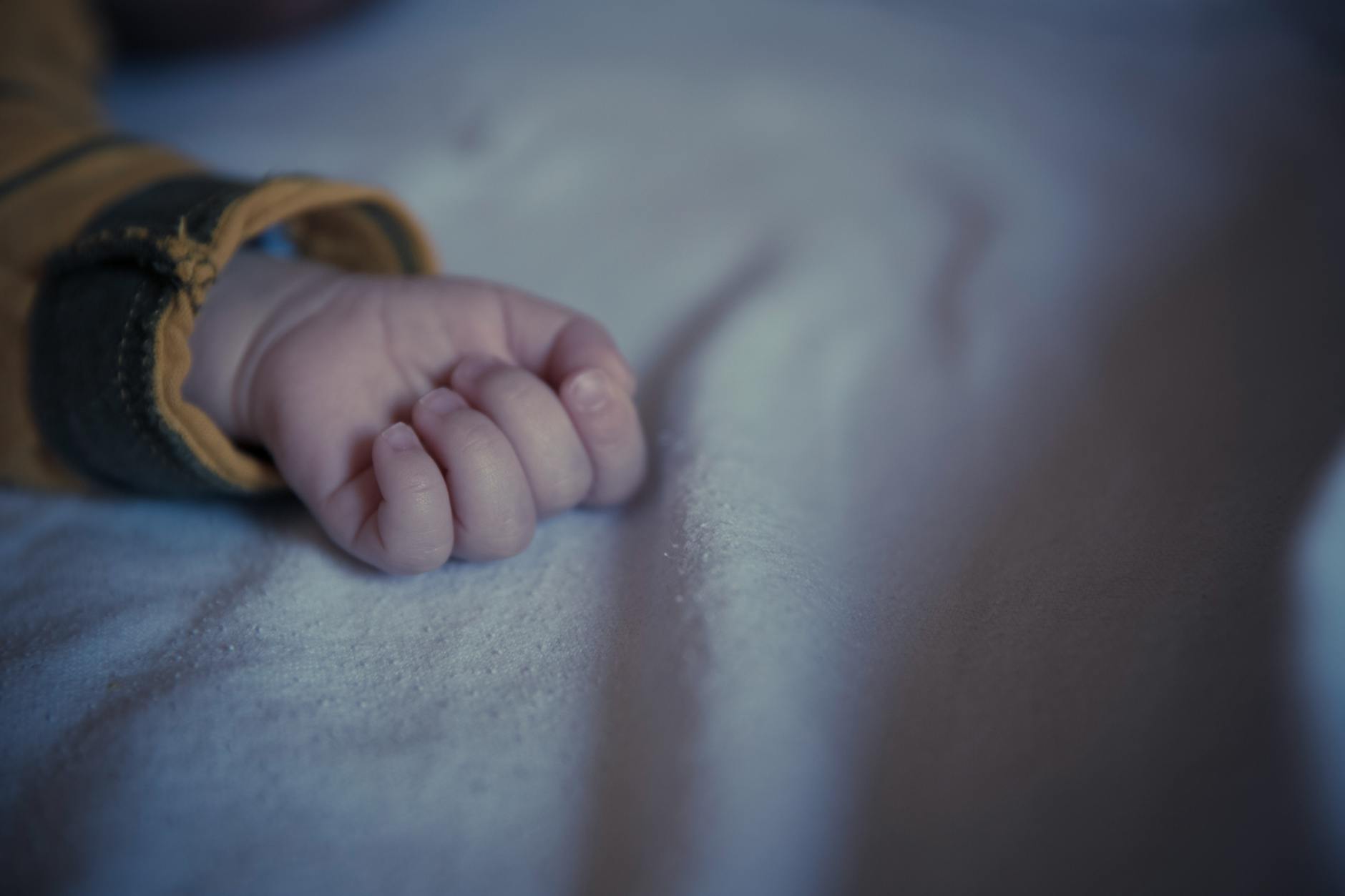
How Physical Development Shapes What Signs Your Baby Can Learn
Your baby’s hand development progresses in stages, and different signs become possible at different ages. At 6 months, your baby can manage simple, open-hand movements. By 8 months, they can form more precise hand shapes and begin closing their fingers intentionally. By 12 months, most babies have the dexterity to produce simple two-handed signs or signs that require specific finger positioning. However, don’t worry if your baby can’t perfectly replicate your sign—their approximations count.
When teaching “milk,” if your baby opens and closes their hand in a squeezing motion (rather than the exact pinched-finger sign), they’re communicating the concept. Accepting close approximations actually helps more than insisting on perfect form, because it keeps your baby motivated to continue communicating this way. As their motor skills improve, the signs naturally become more refined. One important limitation: if your baby has developmental delays affecting hand strength or coordination, sign language learning may progress on a different timeline. This doesn’t mean sign language won’t help—it means you may need to adjust expectations and potentially work with a speech-language pathologist or early intervention specialist. The underlying benefits of signing for language development still apply, but the pace of visible signing may be slower.
The Easiest Baby Signs to Teach First
The most universally recommended beginner signs are “milk,” “water,” “hungry,” “thirsty,” “sleepy,” “more,” “hot,” “cold,” “play,” “bath,” “pacifier,” and “teddy bear.” These signs work best because they connect directly to your baby’s daily experiences and immediate needs. When your baby is hungry, you can sign “hungry” while saying the word, reinforcing both the concept and giving your baby a way to tell you they need food. Start with just 1 to 3 signs at a time. Introduce them in high-frequency situations—”more” during meals, “milk” during bottle or nursing time, “play” during interactive games. Use firm, deliberate movements and say the word while you sign it.
This pairing of speech and sign is critical; you’re not replacing talking with signing, but rather giving your baby two channels for understanding language. After your baby shows consistent recognition of the first signs (usually 2 to 4 weeks of daily exposure), introduce the next batch. “More” and “milk” are often the first signs babies produce because they occur in contexts where the sign is immediately rewarded—your baby signs “more” and gets more food, or signs “milk” and gets a bottle. This cause-and-effect clarity helps them understand the power of signing. However, don’t focus exclusively on these; teaching “all done,” “help,” and “no more” gives your baby a fuller vocabulary for expressing their current state.

Practical Steps for Teaching Signs to Your Baby
The most effective approach combines consistency, repetition, and patience. Each time you use a word, sign it. If you’re introducing “sleepy,” sign it at nap time, bedtime, and whenever you notice your baby rubbing their eyes. Repeat the sign in the same context multiple times—babies learn through exposure, and you should expect to sign a word dozens of times before seeing your baby attempt it. Hand-over-hand guiding (gently placing your hands over your baby’s hands and moving them through the sign) can help, but it’s optional and works better for some babies than others. Some babies prefer to watch and imitate.
Others respond better to reward-based motivation, where signing “more” immediately results in more of what they want. Pay attention to your individual baby’s learning style and adjust accordingly. Keep teaching sessions informal and embedded in daily life rather than scheduled. A five-minute teaching session feels contrived compared to naturally signing “hungry” as you’re preparing a meal or signing “play” as you’re pulling out toys. The context makes the sign meaningful, and meaningful exposure is far more effective than repetition without context. Over time, your baby will begin to recognize signs, then attempt them, then use them unprompted. This progression typically takes weeks, not days.
Addressing Misconceptions About Baby Sign Language
The most persistent myth is that teaching sign language delays speech development. Multiple sources confirm this is false. In fact, research shows that babies exposed to sign language often speak earlier than peers without sign exposure. The mechanism isn’t fully understood, but joint attention—the focused eye contact and interaction between you and your baby during signing—may contribute more to language development than the signs themselves. Another common concern: “Will my baby get confused having both speech and sign?” The answer is no. Babies’ brains are exceptionally good at distinguishing different communication systems. Bilingual babies grow up hearing multiple languages without confusion; babies learning both signing and speech do the same.
The two systems reinforce each other. When you sign “milk” while saying “milk,” your baby is building a richer neural network around that concept than if they only heard the word. A third point worth addressing: no negative effects of introducing sign language have been documented in research. Whether your family continues signing beyond the early years or phases it out as speech develops is entirely your choice. Neither choice causes developmental harm. Some families find signing so useful they maintain it as a shared family language even after verbal communication becomes clear. Others stop signing once their child speaks fluently. Both approaches are developmentally sound.
What Research Shows About Long-Term Benefits
Recent research from 2025 and 2026 has strengthened the case for early sign language exposure. A 2026 study published in academic journals examined “the impact of baby sign on vocabulary development” and found that children exposed to sign language develop larger vocabularies and more advanced language skills at earlier ages compared to peers without sign exposure. A 2025 study from Indiana University’s Early Literacy Blog demonstrated that baby sign language boosts early literacy skills, suggesting benefits that extend beyond spoken communication. Beyond vocabulary, research documents improvements in social-emotional development, fewer tantrums, better toddler language skills, and measurable cognitive advantages.
Studies have shown improved object categorization in infants as young as 3 to 4 months old when they’re exposed to sign language. These benefits likely stem from the increased bonding, eye contact, and joint attention that accompany signing interactions between parent and child. It’s important to note that these benefits appear robust across different socioeconomic backgrounds and family structures. The advantage isn’t unique to families with deaf parents or professional sign language users. Even informal, self-taught home signs produce measurable benefits in language development and parent-child interaction quality.
Building Beyond Basic Signs
Once your baby has mastered 10 to 15 basic signs, you can expand into more sophisticated concepts. “Hot,” “cold,” “gentle,” and “thank you” add nuance. Some families transition to a full sign language system like American Sign Language (ASL) if they want broader communication.
Others maintain a simplified home sign system that works for their family’s needs. The beauty of starting with easy baby signs is that they form the foundation for whatever direction you choose next. Your baby has already learned that hands can communicate, that you respond to their attempts at signing, and that signing helps them get their needs met. Whether you eventually introduce formal ASL, continue with personalized home signs, or phase signing out as speech becomes dominant, you’ve given your baby a head start in communication and strengthened your nonverbal connection with them.
Conclusion
Easy baby sign language signs like “milk,” “more,” “hungry,” and “sleepy” are practical, learnable gestures that tap into your baby’s natural development and give them a way to communicate before words are ready. Starting at 6 months with just 1 to 3 signs, pairing signs with spoken words, and repeating them consistently in daily contexts sets the foundation for faster language development and fewer frustrated tantrums. Research from 2025 and 2026 confirms that babies exposed to sign language develop larger vocabularies, stronger early literacy skills, and improved social-emotional connections with their caregivers—with no documented negative effects on speech development. The next step is to choose your starting signs based on your family’s daily routines and your baby’s immediate needs.
If you want structured guidance, “Baby Sign Language Basics” by Monta Z. Briant offers over 300 ASL signs with clear photos for parents new to signing. Remember that perfect sign formation matters far less than consistent, joyful communication with your baby. Start small, celebrate approximations, and watch your baby’s growing ability to tell you what they need.