
Baby sign language is a communication tool that teaches infants and toddlers basic hand gestures to express needs and feelings before they develop spoken language. You can start teaching baby signs as early as 4 to 6 months, though most experts recommend beginning around 6 to 8 months when babies develop the motor control needed to imitate hand movements.
The beauty of starting this early is straightforward: a baby who learns “more” or “milk” through sign language can communicate their needs several months before they’re able to say those words, dramatically reducing the frustration that comes from unmet needs and parental confusion. This tutorial covers everything you need to know about introducing sign language to your baby—from the right age to start, through the developmental milestones you’ll notice, the specific signs that are easiest for beginners, and what research actually shows about the benefits and limitations of this approach. Whether you’re interested in connecting more deeply with your preverbal baby or curious about whether sign language will enhance your child’s language development, this guide will give you a realistic understanding of what to expect.
Table of Contents
- When Should You Start Teaching Baby Sign Language?
- The Real Communication Benefits of Baby Signs
- How Baby Sign Language Affects Speech and Language Development
- The Most Common Signs to Start With
- Common Challenges and Realistic Expectations
- Understanding Parental Experience and Connection
- Realistic Outlook for Long-Term Language Development
- Conclusion
When Should You Start Teaching Baby Sign Language?
Babies are developmentally ready to imitate gestures around 6 months of age. At this stage, they can begin waving goodbye or clapping their hands when you demonstrate, which means they have the basic hand-eye coordination needed to start learning intentional signs. You don’t need to wait until your baby can speak or even understand words—the motor skills come first, and language understanding follows. Starting at 6 months gives you a head start, allowing your baby several months to absorb and practice signs before they begin producing them.
Around 9 to 12 months, babies typically begin making intentional hand gestures and can start signing back to you. This doesn’t mean they’ll sign perfectly or consistently at first—the movements will be loose approximations, and sometimes you’ll be the only one who recognizes what they’re trying to communicate. But this is exactly like hearing a baby’s first spoken words: “dada” sounds garbled and might only happen once, yet parents recognize it with joy. The same happens with sign language. These early, imperfect signs are genuine communication attempts, and responding enthusiastically encourages more signing.

The Real Communication Benefits of Baby Signs
The primary advantage of baby sign language is functional: it gives your baby a channel to communicate needs and feelings before they can speak. Babies and toddlers experience real frustration when they want something but can’t tell you what it is. A 10-month-old who can sign “hungry” or “milk” gets their needs met faster, and parents who understand their child’s signs report significantly less stress. You’ve essentially given your baby a vocabulary they can physically produce, even if their mouth can’t form the words yet.
Research shows that sign training enables effective communication several months earlier than relying on vocal speech alone. If a baby typically speaks first words around 12 months, a signing baby can communicate basic needs around 9 months through sign language. However, there’s an important limitation to understand: while baby sign language reduces frustration and improves parent-baby communication, it doesn’t automatically create early readers or produce measurable language advantages. A 2013 controlled study found no overall language advantage from baby sign training by the time children reached school age, though children who started with lower language scores did show some benefit. In other words, baby sign language is excellent for communication in the moment, but it’s not a shortcut to advanced language development.
How Baby Sign Language Affects Speech and Language Development
One of the most persistent worries parents express is whether teaching sign language will delay spoken language development. The research is reassuring: there is no evidence that sign training holds back vocal speech. In fact, studies suggest that learning signs actually facilitates rather than hinders spoken language development. Your baby’s brain isn’t choosing between sign and speech—it’s capable of handling both, and the language-rich environment created by signing actually supports overall language growth.
There is one interesting finding worth noting: baby sign language does increase development of letter recognition and phonemic awareness (the ability to hear and identify individual sounds in words) compared to non-signing children. This connection likely comes from the more language-rich interaction between signing parents and children—parents who use sign language tend to be more responsive to their baby’s nonverbal communication attempts and more likely to encourage independence, creating an overall richer language environment. However, a recent 2026 study of 1,348 French hearing children found weak to no effect on vocabulary development by ages 30 to 36 months. Baby sign language is not detrimental, but the claimed vocabulary advantages aren’t as strong as sometimes marketed.
The Most Common Signs to Start With
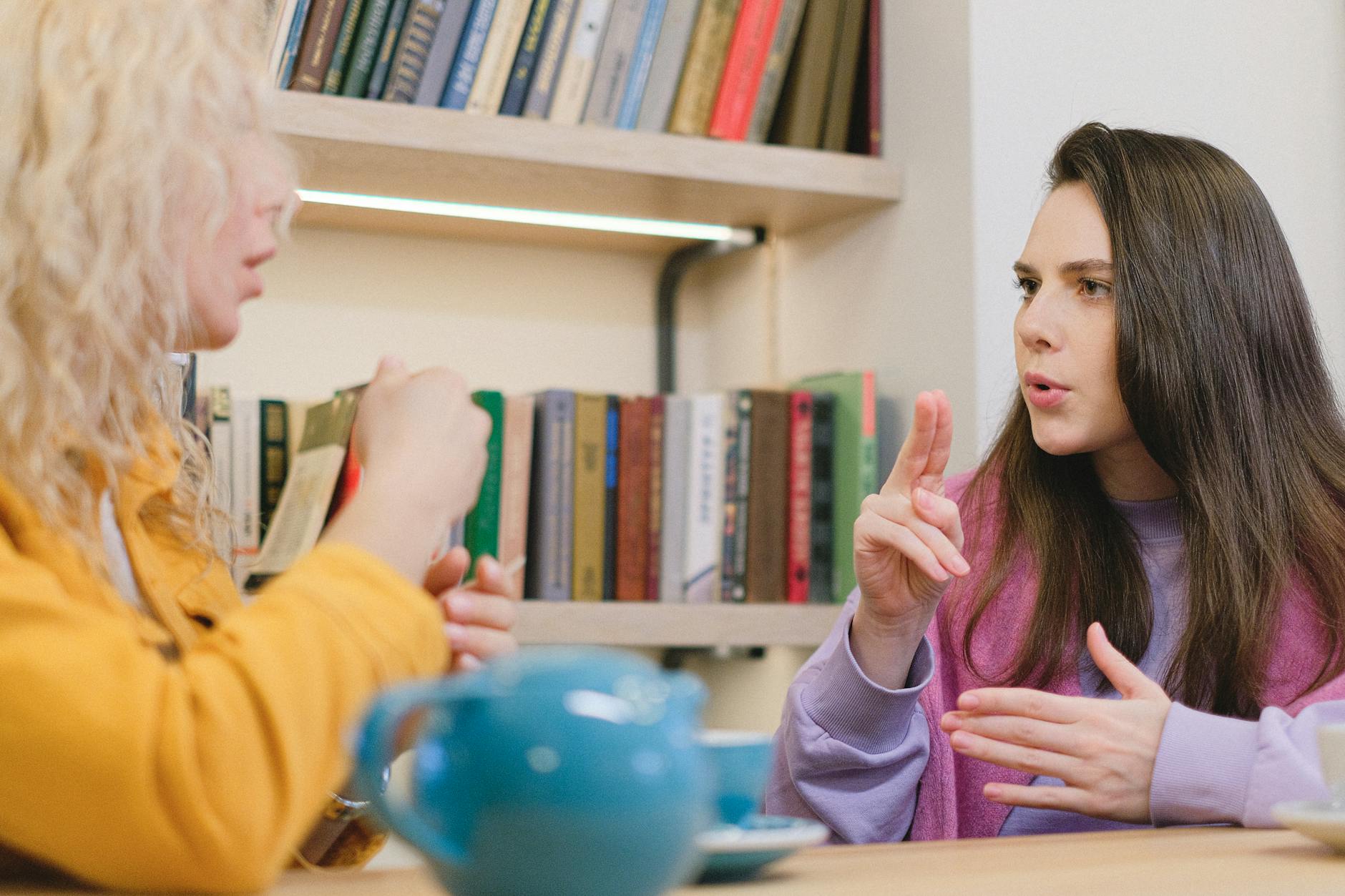
The easiest signs to teach are those that represent immediate, frequent needs and actions. Start with “more,” “milk,” “hungry,” “thirsty,” “sleepy,” “pacifier,” “hot,” “cold,” “bath,” “play,” and “water.” These are simple to sign, relevant multiple times daily, and your baby will encounter the situations they describe over and over, which creates natural repetition and learning opportunities. When choosing which signs to teach first, prioritize the ones you’ll use most in your daily routine.
If your baby primarily drinks from a bottle, prioritize “milk” and “more” over “water.” If your baby takes frequent baths, “bath” and “water” become useful signs. The strategy here is repetition and relevance—your baby learns fastest when they see a sign in a context where it matters immediately. You demonstrate “cold” while handing them a cold washcloth, sign “bath” as you’re running the water, sign “hungry” as you’re preparing food. The sign becomes linked to the action and the need, making it meaningful.
Common Challenges and Realistic Expectations
Many parents start signing enthusiastically but become discouraged when their baby doesn’t immediately sign back or begins speaking and seemingly abandons signs. This is normal. Babies typically understand signs before they can produce them—called the comprehension-production gap—just like in spoken language. Your baby might recognize and respond to “more” for weeks or months before actually signing it back. Patience is essential. Additionally, once spoken language begins to flourish around 12 to 18 months, many babies naturally shift to speech because it’s easier and gets faster social responses from the world around them.
This doesn’t mean the signing was a failure; it means your child is prioritizing the communication method that works best in their environment. Another realistic challenge: if only one parent or caregiver signs consistently while others don’t, the baby gets less exposure and learns more slowly. Consistency matters. If you’re using baby sign language, at minimum you and your partner should both learn and use the signs regularly. Daycare providers, grandparents, or regular babysitters who don’t know the signs won’t reinforce them, which slows progress. The effectiveness of baby sign language depends directly on how many people in the child’s life are using it regularly.
Understanding Parental Experience and Connection
Parents who use baby sign language with their infants frequently describe a unique experience: feeling like they have a “window” into their baby’s thoughts and needs. Even when the signs are imperfect approximations, the act of your baby intentionally reaching out to communicate creates a powerful connection. Parents report decreased stress and a sense that their baby’s frustration is being understood and addressed more quickly.
This psychological benefit—the sense of connection and reduced parental anxiety—is real and valid, even apart from any language development advantages. This connection often extends throughout the signing experience. Parents become more attuned to their baby’s nonverbal communication in general, noticing subtle gestures, facial expressions, and attempts to point or communicate that they might otherwise overlook. The act of learning and using sign language itself can deepen the intentionality of your interactions with your baby.
Realistic Outlook for Long-Term Language Development
The honest picture emerging from recent research is that baby sign language is a useful communication tool in early childhood—particularly for reducing frustration and creating a richer communicative environment—but it’s not a magic accelerant for language development overall. The 2026 study of over 1,300 children found no statistically significant differences in spoken vocabulary development by three years of age between children exposed to baby sign and control groups. This doesn’t negate the immediate, practical benefits, but it suggests that any long-term language advantage is minimal.
Looking forward, the value of baby sign language appears to be situational. For families who can maintain consistent signing across multiple caregivers, it creates a stronger communicative environment. For families where only one parent signs while the child is primarily exposed to spoken language elsewhere, the benefits may be more limited. The choice to use baby sign language is personal and valid—just understand what you’re actually getting: an effective early communication tool and deeper parent-child connection, rather than a guaranteed pathway to advanced language skills.
Conclusion
Baby sign language is a practical way to communicate with your baby before vocal speech develops, starting around 6 to 8 months when babies can begin imitating hand gestures and producing their own signs around 9 to 12 months. The primary benefits are functional—reduced frustration, earlier communication of needs, and deeper parental connection—not transformative language acceleration. Research shows that learning signs does not delay spoken language and may support literacy development through increased phonemic awareness, but it doesn’t create measurable vocabulary advantages compared to speech-only environments.
If you choose to teach your baby sign language, begin with high-frequency, relevant signs like “more,” “milk,” “hungry,” and “cold,” and maintain consistency across caregivers for the most effective learning. The investment is modest, the immediate payoff in reduced frustration is real, and the deeper connection you’ll feel with your baby is genuinely valuable. Approach it as a communication tool for right now, enjoy the connection it creates, and don’t depend on it to solve larger language development questions.