
The “sad” sign in baby sign language is performed by holding both hands with fingers outstretched and spread, palms facing toward you, then bringing them down from above your face level to about chest level while making a sad facial expression. This simple gesture gives babies a powerful tool to communicate one of their most fundamental emotions before they can say the words. For example, when your 10-month-old starts fussing after dropping a favorite toy, teaching them to sign “sad” gives them an alternative to crying””and gives you insight into what they’re actually feeling.
The American Academy of Pediatrics recommends starting to teach baby signs around 6 months old, when babies become developmentally ready to attend to and imitate gestures. However, most babies won’t sign back independently until they’re between 8 and 12 months of age, so patience is essential. This article covers how to perform the sad sign correctly, when and how to introduce it, the benefits of teaching emotion-based signs, common mistakes to avoid, and practical strategies for integrating this sign into your daily routine.
Table of Contents
- How Do You Sign “Sad” in Baby Sign Language?
- When Should You Start Teaching the Sad Sign to Your Baby?
- Why Emotion Signs Like “Sad” Matter for Baby Development
- Common Challenges When Teaching Babies the Sad Sign
- Using Books and Media to Reinforce the Sad Sign
- Building an Emotional Vocabulary Beyond “Sad”
- Conclusion
How Do You Sign “Sad” in Baby Sign Language?
The sad sign mimics the motion of tears falling down the face, which makes it both intuitive and memorable. Start by holding both hands up near your face with all fingers spread wide and palms turned toward you. Then slowly drag both hands downward in front of your face, ending around chest level. The movement should be smooth and deliberate, not rushed. The facial expression you make while signing is just as important as the hand movement itself.
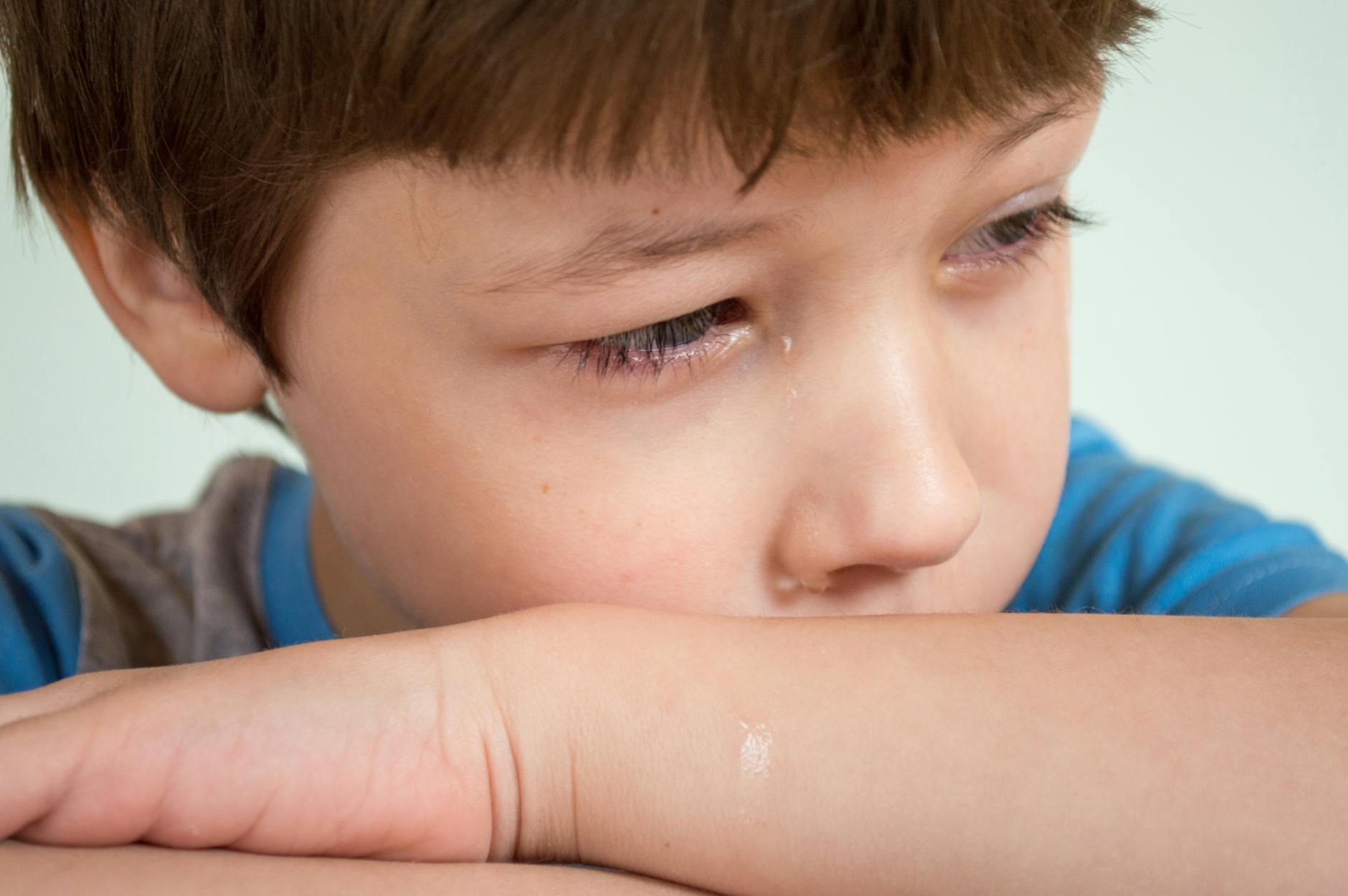
Always pair the sign with a genuinely sad facial expression””downturned mouth, perhaps slightly furrowed brow. babies learn emotional context partly through observing faces, so your expression reinforces the meaning of the gesture. Without the facial component, the sign loses much of its communicative power. A helpful comparison: unlike the sign for “happy” (which involves upward circular motions near the chest), the sad sign’s downward movement intuitively connects to the feeling of being down or low. This directional logic appears throughout sign language and helps babies grasp emotional concepts more concretely than abstract words alone might allow.
When Should You Start Teaching the Sad Sign to Your Baby?
You can technically introduce signs from birth since early exposure builds familiarity, but realistic expectations matter. The AAP’s recommendation to begin around 6 months aligns with when babies develop the cognitive and motor skills needed to process and eventually replicate gestures. Before this age, babies benefit from seeing signs but lack the ability to produce them intentionally. Independent signing typically emerges between 8 and 12 months. This means if you start at 6 months, you might wait two to six months before seeing your baby sign back.
Some parents grow discouraged during this gap and stop signing altogether””a common mistake. Consistency during these seemingly unresponsive months is actually building the foundation for later success. However, if your baby hasn’t shown interest in signing by 14 or 15 months despite consistent modeling, it doesn’t necessarily indicate a problem. Some children prefer verbal communication and skip signing entirely once they start talking. Others may understand signs receptively (responding appropriately when you sign) without producing them. Every child’s developmental timeline varies, and signing is meant to supplement communication, not serve as a developmental benchmark.
Why Emotion Signs Like “Sad” Matter for Baby Development
Teaching emotion signs helps babies develop what researchers call emotional intelligence””the ability to recognize and name their own feelings. A baby who can sign “sad” has taken the first step toward understanding that the uncomfortable sensation inside them has a name and can be communicated. This self-awareness becomes the foundation for emotional regulation later in childhood. For parents, emotion signs provide a window into a baby’s internal world that crying alone cannot offer. When a toddler melts down, the cause isn’t always obvious. Are they tired? Hungry? Frustrated? Sad? A child who can sign “sad” gives you actionable information. You can then respond appropriately””offering comfort rather than food, or acknowledging their feelings rather than trying to distract them. The practical benefit extends to teaching coping strategies early. Once your child can identify and communicate sadness, you can introduce responses: asking for a hug, snuggling with a comfort object, or taking deep breaths together.
For instance, when your toddler signs “sad” after a playmate leaves, you might say, “You’re sad your friend went home. Would you like to cuddle with your blanket?” This models healthy emotional processing that serves children well beyond the baby sign language years. ## Practical Tips for Teaching the Sad Sign Effectively Consistency and context form the core of successful sign teaching. Always say the word “sad” out loud while making the sign””this dual input helps babies connect the gesture, the sound, and the meaning. Use the sign in natural moments: “You look so sad right now,” “Mommy is a little sad,” or while reading books together, “The girl in this story is sad.” The tradeoff between dedicated practice sessions and organic integration favors the latter. Drilling signs in isolation rarely works with babies, who learn best through real-world context and repetition across varied situations. A baby who sees the sad sign only during scheduled “teaching time” has fewer opportunities to grasp its meaning than one who encounters it throughout the day whenever sadness naturally arises. One effective strategy involves narrating emotional states in others””characters in books, siblings, even pets. “Look, the puppy seems sad because his ball rolled under the couch.” This third-party observation feels less intense for babies than being told they themselves are sad, and it provides safe practice recognizing the emotion before they need to communicate it about themselves.

Common Challenges When Teaching Babies the Sad Sign
Some babies resist signing about negative emotions even after mastering signs for objects or food. This isn’t defiance””sad is simply more abstract than “milk” or “more.” You can’t point to sadness the way you can point to a ball. Parents sometimes give up on emotion signs prematurely, assuming their baby “just doesn’t get it,” when really these signs require more time and exposure than concrete noun signs. Another limitation: the sad sign won’t prevent all meltdowns or tantrums. Toddlers in the grip of overwhelming emotion often lose access to the cognitive resources needed to sign. Expecting a screaming two-year-old to calmly sign “sad” sets everyone up for frustration.
The sign works best as a communication tool before emotions escalate or after they’ve begun to subside””not at peak intensity. Watch for sign approximations rather than perfect execution. Babies often modify signs based on their motor abilities. Your child’s “sad” sign might involve just one hand, or the movement might be smaller than the standard version. Accepting these approximations and responding as if they signed correctly encourages continued communication. Demanding precision discourages babies from trying.
Using Books and Media to Reinforce the Sad Sign
Picture books with clear emotional content provide excellent opportunities to practice the sad sign in low-stakes situations. When a character experiences loss, disappointment, or loneliness, sign and say “sad” while pointing to the illustration. Books like “The Feelings Book” or stories where characters face relatable challenges give you natural teaching moments without waiting for your baby to actually feel sad.
Television shows designed for young children often feature exaggerated emotional expressions that make feelings easy to identify. Pausing during these moments to sign “sad” connects the gesture to visual representations of the emotion. However, screen time for babies under 18 months remains controversial, so books typically offer a better vehicle for this kind of learning with younger infants.

Building an Emotional Vocabulary Beyond “Sad”
Once your baby grasps the sad sign, consider expanding to related emotions: happy, angry, scared, tired. Each emotion sign gives your child another tool for self-expression and helps them develop increasingly nuanced emotional awareness. A toddler who can distinguish between sad and angry””and communicate that distinction””has a significant advantage in navigating social situations and receiving appropriate support from caregivers.
The long-term trajectory matters here. Children who learn to identify and express emotions early tend to develop stronger emotional regulation skills in preschool and beyond. Baby sign language serves as an entry point to this larger developmental journey, with the sad sign representing one building block among many.
Conclusion
The sad sign in baby sign language””both hands with spread fingers moving down the face while displaying a sad expression””offers babies a meaningful way to communicate emotion before verbal language develops. Starting around 6 months and remaining consistent through the 8-to-12-month window when independent signing typically emerges gives your baby the best chance of adopting this useful gesture.
Teaching emotion signs like “sad” does more than reduce frustration in the short term. It builds the foundation for emotional intelligence, gives parents insight into their child’s inner experience, and opens the door to teaching healthy coping strategies early. While not every baby will take to signing equally, and the sad sign won’t eliminate all tears and tantrums, the effort invested in teaching emotional communication pays dividends throughout childhood.