
Understanding baby sign language more sign is essential for anyone interested in baby and toddler sign language. This comprehensive guide covers everything you need to know, from basic concepts to advanced strategies. By the end of this article, you’ll have the knowledge to make informed decisions and take effective action.
Table of Contents
- Why Is “More” Considered the Best First Sign for Babies?
- When Should You Start Teaching the More Sign to Your Baby?
- The Research Behind Baby Sign Language and Cognitive Benefits
- Step-by-Step Methods for Teaching Your Baby the More Sign
- Common Challenges When Babies Learn the More Sign
- How the More Sign Reduces Family Stress and Tantrums
- Does Teaching Sign Language Delay Spoken Language Development?
- The Long-Term Impact of Early Sign Language on Literacy
- Conclusion
Why Is “More” Considered the Best First Sign for Babies?
The sign for “more” earns its reputation as a starter sign because it provides immediate, tangible results that babies can understand. When a child signs “more” and receives another bite of banana or another round of peekaboo, the cause-and-effect relationship becomes crystal clear. This instant feedback loop motivates continued use in ways that more abstract signs cannot match. Research funded by the National Institutes of Health in the 1980s laid the groundwork for understanding how signs like “more” benefit infant development. Dr.
Claire Vallotton has since compiled 68 studies spanning over three decades examining signing’s impact on children. While 13 of 17 studies in one analysis reported benefits, researchers note that some methodological weaknesses mean the evidence, while promising, remains partly contested. Compared to other common first signs like “milk” or “all done,” “more” has broader application. A baby might want milk only a few times per day, but the desire for “more” of something happens dozens of times. This frequency of use accelerates learning. However, if your baby shows particular interest in a specific object or activity, starting with that sign might capture their attention more effectively than defaulting to “more.”.

When Should You Start Teaching the More Sign to Your Baby?
The American Academy of Pediatrics recommends starting baby sign language around 6 months old, when most infants have developed enough motor control to begin imitating hand movements. Some parents report babies signing back as early as 4 to 6 months, though these cases are exceptions rather than the norm. The typical timeline looks like this: begin consistent signing around 6 months, continue daily practice, and expect your baby to start signing back somewhere between 8 and 9 months of age. In research studies, children began using signs like “more,” “eat,” and “juice” from about 9 months onward.
This two to three month gap between introduction and response can feel long, but it mirrors the way babies absorb spoken language for many months before producing their first words. If your baby is older than 6 months and you haven’t started signing yet, there’s no need to feel behind. Babies and toddlers up to 24 months can still benefit from learning signs. However, if your child is already speaking several words clearly, they may have less motivation to adopt signs since they already have a communication method that works. In these cases, signs can still serve as reinforcement for speech rather than a replacement.
The Research Behind Baby Sign Language and Cognitive Benefits
A University of California study conducted by researchers Acredolo and Goodwyn found that children who were signed to as infants had IQs 12 points higher on average at age 8 than their non-signing peers. This finding sparked widespread interest in baby sign language, though it’s worth noting that subsequent studies have produced mixed results regarding cognitive benefits. What research does consistently show is that sign training provides effective communication several months earlier than vocal-only methods. This earlier communication window appears to reduce frustration for both babies and parents.
Parents who sign report having children with fewer tantrums and better social skills, less parenting-related stress, and more affectionate interactions with their children. For example, a 10-month-old who can sign “more” when they want another cracker avoids the escalating whine that often precedes a meltdown. The parent responds to a clear request rather than guessing what’s wrong. This dynamic creates a positive feedback loop where communication success builds on itself. Research also indicates that baby sign language increases development of early literacy skills, including letter recognition and phonemic awareness, suggesting benefits extend beyond the infant years.

Step-by-Step Methods for Teaching Your Baby the More Sign
The most effective teaching approach involves consistent pairing of the sign with the spoken word during natural, motivating moments. During meals, pause between bites of a food your baby enjoys. Hold up the spoon, make the sign for “more” by tapping your pinched fingertips together, say the word “more” clearly, and then provide the food. Repeat this sequence with every bite for several days. Mealtime isn’t the only opportunity. Blowing bubbles works exceptionally well because babies typically love watching them float and pop.
Blow a round of bubbles, wait until they’ve all popped, then sign and say “more” before blowing another round. The built-in pause creates anticipation and makes the sign’s meaning obvious. Similarly, you can use “more” before pushing a child on a swing, before another round of a favorite song, or before turning the page in a beloved book. The tradeoff with different teaching contexts involves novelty versus consistency. Practicing only during meals means many repetitions in a predictable setting, which some babies find easier to learn from. Practicing across multiple contexts from the start means fewer repetitions in each setting but demonstrates the sign’s flexibility. Most experts suggest starting with one high-motivation context like meals, then expanding to other activities once your baby shows recognition of the sign.
Common Challenges When Babies Learn the More Sign
Babies rarely produce signs exactly as adults model them, and “more” is no exception. You might see your baby clap their hands together, tap their fists, or bring only one hand to their chest while attempting “more.” These approximations count as successful communication and should be responded to enthusiastically. Over time, motor control improves and the sign becomes more precise. A common frustration for parents is the silent period before any signing appears. After weeks of consistent modeling, it can feel like nothing is happening. Remember that receptive language always develops before expressive language.
Your baby likely understands what “more” means long before they can produce it. Signs that your baby comprehends include increased excitement when you sign “more” before a favorite activity, or looking at you expectantly after an activity pauses. One important warning: some babies begin using “more” as a catch-all request for anything they want, even things they haven’t had any of yet. This isn’t a problem with the sign itself but rather a developmental stage. When your baby signs “more” for something new, you can model the correct sign for that item while still responding to their communication attempt. Saying “You want the ball? Here’s the sign for ball” teaches new vocabulary without punishing their effort to communicate.
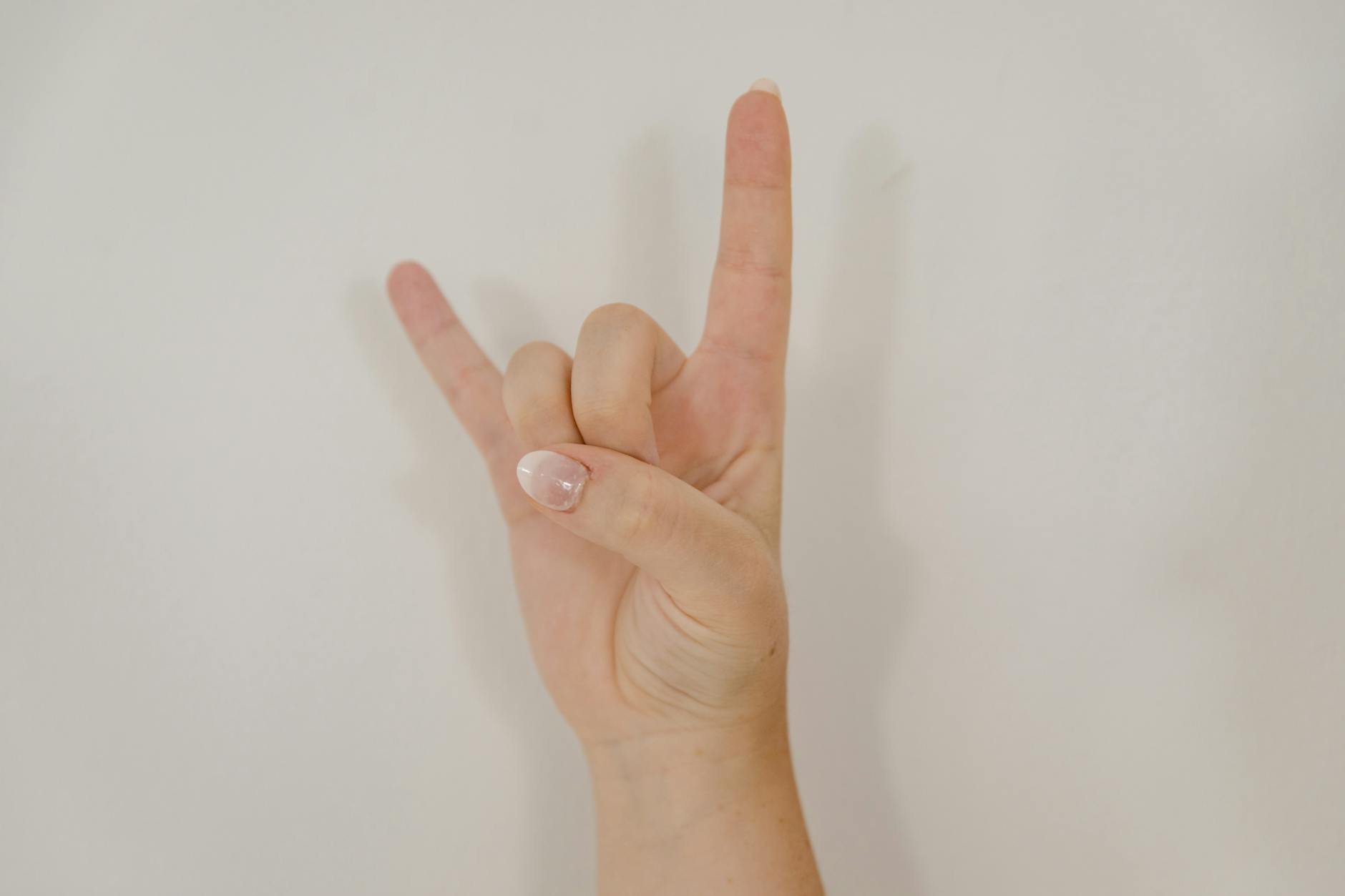
How the More Sign Reduces Family Stress and Tantrums
Parents frequently report that signing children have fewer meltdowns, and the mechanism is straightforward. A baby who can communicate “more” doesn’t need to escalate to crying to get a message across. This reduction in frustration benefits the entire household, including siblings who might otherwise be disturbed by a screaming infant and parents who feel more confident in their ability to meet their child’s needs.
The stress reduction appears to be bidirectional. Studies indicate parents who sign experience less parenting-related stress and engage in more affectionate interactions with their children. When a parent can understand what their baby wants, interactions become more rewarding. One example: a father who taught his daughter the sign for “more” at 7 months described finally feeling like he could “have a conversation” with her by the time she was 9 months old, even though she couldn’t speak yet.
Does Teaching Sign Language Delay Spoken Language Development?
Research consistently shows that signing does not delay spoken language development. This concern, while common among parents and occasionally raised by well-meaning relatives, is not supported by evidence. In fact, some studies suggest signing may support spoken language by building the neural pathways involved in symbolic communication.
The key is to always pair signs with spoken words. When you sign “more,” say “more” at the same time. This simultaneous input gives your baby multiple channels of information rather than replacing one with another. As spoken language develops, most children naturally drop signs in favor of words, which are faster to produce and understood by a wider audience.
The Long-Term Impact of Early Sign Language on Literacy
Beyond the immediate communication benefits, research from Indiana University’s early literacy program indicates that baby sign language increases development of early literacy skills. Children exposed to signing as infants showed improved letter recognition and phonemic awareness compared to non-signing peers.
The connection between signing and literacy may stem from the attention to symbolic representation that signing requires. A baby who learns that a hand gesture represents a concept has already grasped the fundamental principle behind reading: that symbols carry meaning. This early experience with symbolic thinking appears to create a foundation that supports later academic skills, though more research is needed to fully understand this relationship.
Conclusion
The sign for “more” deserves its place as the most popular first sign for babies. Its versatility across contexts, clear cause-and-effect feedback, and high frequency of use make it an ideal entry point into baby sign language. Starting around 6 months and practicing consistently during meals, playtime, and daily routines gives your baby the best opportunity to begin signing back by 8 or 9 months of age.
The benefits extend beyond simple communication convenience. Research points to reduced frustration, better parent-child interactions, and potential cognitive and literacy advantages. While some findings remain contested due to methodological limitations in studies, the evidence that signing causes no harm and likely provides meaningful benefits makes it a worthwhile investment of time. Begin with “more,” respond enthusiastically to your baby’s early attempts even when imprecise, and watch as a new channel of communication opens between you and your child.