
The best age to start baby sign language is between 6 and 8 months old. At this stage, babies are developmentally ready to attend to and imitate gestures, even though they won’t produce signs independently until later. Most parents find that starting around this window gives their baby enough exposure to begin signing back between 10 and 14 months of age. For example, a parent who begins modeling the sign for “milk” at 6 months during every feeding might see their baby attempt the sign around their first birthday.
That said, there is no strict window that closes if you miss these early months. Parents who start at 9, 10, or even 12 months can still achieve meaningful results with realistic expectations about the timeline. The key is understanding that you’re building a foundation during those early months rather than expecting immediate results. This article covers the developmental reasoning behind the 6-8 month recommendation, what to expect when babies start signing back, which signs to introduce first, and how to adjust your approach based on your individual child’s readiness.
Table of Contents
- What Is the Ideal Age to Introduce Baby Sign Language?
- When Will My Baby Actually Start Signing Back?
- Which Signs Should You Teach First?
- Does Baby Sign Language Delay Speech Development?
- Starting Later: What If You Missed the 6-8 Month Window?
- Adjusting Expectations for Your Individual Child
- Conclusion
What Is the Ideal Age to Introduce Baby Sign Language?
The 6-8 month range is most commonly recommended by pediatric and child development experts because this is when babies begin developing the motor control and cognitive ability to observe and eventually imitate hand movements. Before this age, infants are still mastering basic motor skills and may not have the visual focus or hand coordination needed to engage with signing. By 6 months, however, most babies can sit with support and have gained enough control over their hands to make this learning possible. Consider the difference between a 4-month-old and a 7-month-old watching you sign “more.” The younger baby might glance at your hands briefly before looking away, while the older baby is more likely to study your movements, look at your face for social cues, and eventually try to approximate the gesture.
This doesn’t mean signing to a younger baby is pointless, but the intentional learning phase begins closer to 6 months. It’s worth noting that 9 months is often cited as the typical starting point for many families, with the general recommended window spanning 6-12 months. Parents who start at the later end of this range shouldn’t feel discouraged. The timeline simply shifts accordingly, and babies are often quick learners once they have the developmental foundation in place.

When Will My Baby Actually Start Signing Back?
Most babies begin signing back between 10 and 14 months of age, regardless of exactly when their parents started teaching them. This gap between introduction and production is normal and reflects the same pattern seen in spoken language, where babies understand words long before they can say them. During those early months of modeling signs, your baby is absorbing information even if there’s no visible output yet. However, if you’re starting at 6 months and expecting your baby to sign back within weeks, you’ll likely be disappointed. The more realistic expectation is that you’ll model signs consistently for 2-4 months before seeing any attempts at imitation.
Some parents give up during this period, assuming the approach isn’t working. In reality, their baby may be close to a breakthrough. Interestingly, babies as young as 2 months have been observed making primitive signs, such as opening and closing their fists when hungry, resembling the sign for “milk.” These early movements aren’t intentional communication, but they suggest an innate connection between gesture and desire that signing builds upon. The timeline varies significantly between children. A baby who starts at 6 months might sign back at 10 months, while another who starts at 9 months might sign back at 12 months. Neither is better or worse, and both are within the normal developmental range.
Which Signs Should You Teach First?
The most practical first signs address immediate needs: “milk,” “eat,” “more,” and “all done.” These signs have high utility because they connect to experiences that happen multiple times daily, giving you frequent opportunities to model them in context. A baby who can sign “more” during a meal has a tool for communicating a specific desire before they can say the word, which often reduces frustration for both parent and child. Alongside practical signs, many experts recommend incorporating fun, motivating signs like “dog,” “cat,” “ball,” and “light.” These work well because babies often show enthusiasm for animals and objects in their environment, making the signs more engaging to learn. For example, if your baby becomes excited every time the family dog enters the room, introducing the sign for “dog” during these moments creates a natural connection. The emotional engagement helps reinforce the learning. A common mistake is trying to teach too many signs at once. Starting with 3-5 signs and using them consistently is more effective than introducing 20 signs sporadically. Once your baby begins using the initial signs, you can expand the vocabulary gradually.
## How to Model Signs Effectively for Your Baby Modeling signs means performing them yourself in context, repeatedly, so your baby can observe and eventually imitate. The technique of “hand over hand” assistance, where you gently guide your baby’s hands into the correct sign position, becomes appropriate around 6 months of age. This physical guidance can help bridge the gap between observation and production, though some babies respond well to it while others resist having their hands manipulated. The tradeoff with hand-over-hand guidance is that while it can accelerate the learning process, overusing it may frustrate your baby or create a dependency on your help. Many signing experts suggest using this technique sparingly, perhaps once or twice during a signing opportunity, while primarily relying on visual modeling. Observe how your baby responds and adjust accordingly. Consistency matters more than duration. Signing for 30 seconds during each diaper change, meal, and play session adds up to significant exposure without requiring dedicated “teaching time.” Babies learn signs the same way they learn spoken words: through repeated, contextual exposure in their daily life.

Does Baby Sign Language Delay Speech Development?
A common concern among parents is whether teaching signs will discourage babies from learning to talk. Research indicates that signing does not delay speech. In fact, studies suggest that babies who sign generally talk sooner and build vocabulary more quickly than non-signing peers. The signs serve as a bridge to verbal communication rather than a replacement for it.
The limitation to this research is that most studies involve families who are already engaged and motivated to communicate with their babies, which may independently contribute to language outcomes. Parents who take the time to sign are also likely reading, talking, and engaging with their children in other language-rich ways. Still, there is no evidence that signing itself causes delays, and substantial anecdotal and research support for its benefits. If you’re concerned about speech development for any reason, consulting with your pediatrician is worthwhile. Some children with developmental differences benefit especially from signing as an alternative communication pathway, though this is a specialized area where professional guidance is valuable.
Starting Later: What If You Missed the 6-8 Month Window?
Parents who learn about baby sign language when their child is already 10, 12, or even 18 months old can absolutely still start. Because there is no strict window that closes, the approach simply needs to match the child’s current developmental stage.
An older baby or toddler often picks up signs more quickly because their motor control and comprehension are more advanced. For example, a 14-month-old who has never been exposed to signing might learn the sign for “more” within a week or two of consistent modeling, compared to the months of exposure needed for a younger baby. The tradeoff is that you’ve missed some of the early frustration-reduction benefits during the 8-12 month period when babies have desires but limited ways to express them.
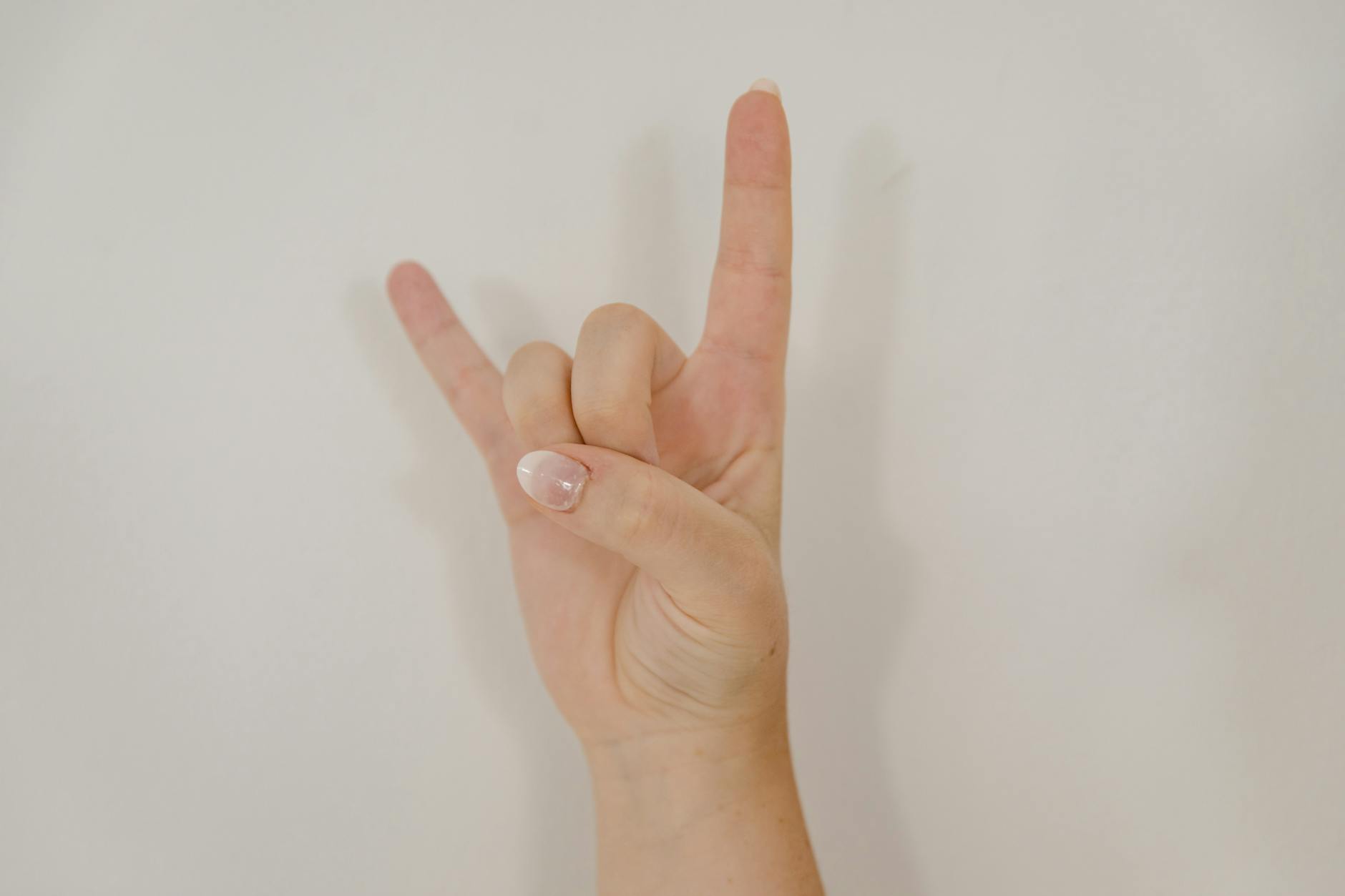
Adjusting Expectations for Your Individual Child
The “best” age ultimately depends on the individual child’s development. Babies who are early crawlers and show advanced fine motor skills might be ready to engage with signing earlier than average. Babies who are more focused on gross motor milestones like walking might show less interest in hand movements until later. Watching for signs of readiness, such as sustained attention to your hands, imitation of other gestures like waving, and responsiveness to social interaction, helps you gauge when your particular baby is primed to begin.
Some children take to signing enthusiastically and develop vocabularies of 50 or more signs before their second birthday. Others learn a handful of functional signs and then transition quickly to spoken words. Both outcomes represent successful use of baby sign language as a communication tool. The goal isn’t to create a prodigious signer but to give your child a way to communicate during the developmental gap before speech emerges.
Conclusion
The evidence points to 6-8 months as the optimal time to begin baby sign language, with most babies signing back between 10 and 14 months. Starting in this range allows you to model signs during the period when babies are developmentally ready to observe and imitate, building a foundation before they can produce signs independently.
However, there is no wrong time to start, and parents who begin later can still see meaningful results. The practical approach is to choose a handful of useful signs, model them consistently during daily routines, and maintain realistic expectations about the timeline. Research supports that signing benefits rather than hinders speech development, giving you confidence that this early communication tool serves your child’s broader language growth.