
Understanding baby sign language happy sign is essential for anyone interested in baby and toddler sign language. This comprehensive guide covers everything you need to know, from basic concepts to advanced strategies. By the end of this article, you’ll have the knowledge to make informed decisions and take effective action.
Table of Contents
- How Do You Sign Happy in Baby Sign Language?
- When to Introduce the Happy Sign to Your Baby
- The Three-Step Method for Teaching Happy
- Best Practices for Teaching Emotional Signs
- Common Challenges When Teaching the Happy Sign
- Incorporating Happy Into Daily Routines
- Transitioning From Happy to Other Emotional Signs
- Conclusion
How Do You Sign Happy in Baby Sign Language?
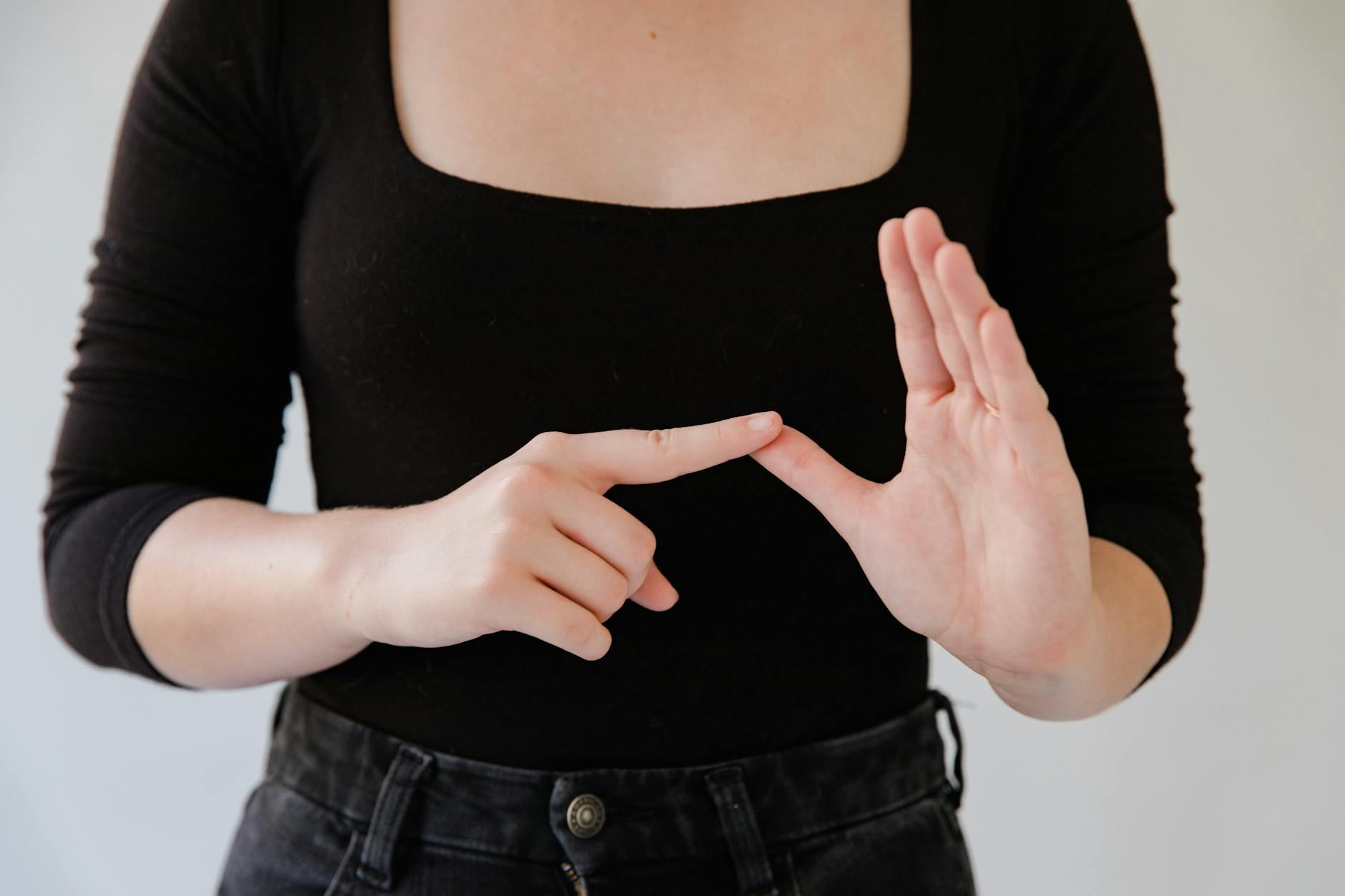
To sign “happy,” place both open hands flat against your chest with fingers pointing toward each other, then brush both hands upward simultaneously in a quick, light motion. Repeat this upward brushing motion once or twice. The movement should be gentle and natural, not exaggerated or forceful. Think of it as expressing joy bubbling up from your heart. One common point of confusion is distinguishing the “happy” sign from the “excited” sign, as they both involve hand movements on the chest. With the “excited” sign, your hands take turns touching either side of your chest, and only the middle fingers brush against your body.
With “happy,” both open hands touch the chest at the same time and move in unison. This simultaneous versus alternating motion is the key difference to remember. For babies just starting out, simplification is acceptable and often necessary. If your child seems confused by multiple similar signs, you can choose just one sign and use it for both “happy” and “excited” temporarily. As your child grows and their motor skills develop, you can gradually introduce the distinction between the two emotions. The goal at this stage is communication, not perfect ASL accuracy.

When to Introduce the Happy Sign to Your Baby
According to Dr. Thompson, the recommended age to begin teaching baby sign language is around six to eight months old. This timing coincides with when babies typically start mimicking gestures like waving goodbye and clapping, indicating their readiness to learn intentional hand movements with meaning. However, readiness varies significantly between individual children, and some babies may not show interest until closer to nine or ten months. The most effective moments to introduce the “happy” sign occur when your baby is visibly happy or excited.
Signing “happy” during bathtime splashes, when a favorite toy appears, or when a sibling makes silly faces creates a strong association between the emotion your baby is experiencing and the sign you are demonstrating. This in-the-moment reinforcement is far more effective than practicing signs when your baby is neutral or disengaged. A limitation of teaching emotional signs is that you cannot manufacture the teaching moment the way you can with object signs. You can show your baby milk anytime, but you need to wait for genuine happiness to occur naturally. This means progress with emotional signs often takes longer than with concrete noun signs, and parents should adjust their expectations accordingly.
The Three-Step Method for Teaching Happy
The most effective approach for teaching any baby sign, including “happy,” follows a three-step method: model, pause, and respond. first, model the sign frequently while speaking the word aloud. Every time you see your baby smiling or laughing, sign “happy” while saying “You’re so happy!” This pairing of the verbal word with the visual sign builds the neural connection your baby needs. Second, pause for five to ten seconds after modeling the sign. This waiting period gives your baby time to process both the word and the gesture.
Many parents rush through signing without allowing adequate processing time, which diminishes the learning effect. Silence feels awkward, but those quiet seconds are when your baby’s brain is actively working to understand what you communicated. Third, respond with positive feedback whenever your baby attempts to communicate with gestures, even if the attempt is imperfect. A baby’s first approximation of the “happy” sign might look nothing like the correct version, but enthusiastic acknowledgment encourages continued effort. Saying “Yes! Happy! You signed happy!” reinforces the behavior and motivates repetition. This positive reinforcement cycle is what transforms random hand movements into intentional communication.

Best Practices for Teaching Emotional Signs
Use signs when your baby is alert and happy rather than during fussy or drowsy periods. A tired baby lacks the cognitive bandwidth to learn new concepts, and an upset baby is focused on their immediate distress rather than language acquisition. Morning playtime or post-nap periods often provide ideal windows when babies are receptive and engaged. Starting with a core set of frequently-used signs produces better results than attempting to teach many signs simultaneously.
For emotional vocabulary, beginning with just “happy” before adding “sad” or “angry” prevents confusion and allows mastery before expansion. Incorporating these signs into daily, low-stress routines rather than dedicated “learning sessions” integrates signing naturally into your family’s communication patterns. The tradeoff here involves breadth versus depth. Parents who try to introduce five emotional signs at once often find their baby masters none of them, while parents who focus on one sign for several weeks typically see faster results with that specific sign but have a smaller overall vocabulary in the short term. For most families, the focused approach yields better long-term outcomes because early success builds confidence and momentum.
Common Challenges When Teaching the Happy Sign
One frequent obstacle is that the happy sign requires coordination of both hands moving simultaneously, which can be difficult for younger babies whose bilateral coordination is still developing. If your seven-month-old consistently uses just one hand for the happy sign, accept this approximation rather than correcting it. The communication intent matters more than physical precision, and coordination will improve naturally with age. Another challenge specific to emotional signs is the requirement for genuine emotional expression. Parents who sign “happy” with a flat affect or while distracted undermine the sign’s meaning.
Babies are remarkably adept at reading facial expressions and tone, and inconsistency between your sign and your demeanor confuses rather than teaches. If you cannot muster genuine enthusiasm, wait for a better moment. Some babies understand signs receptively long before they produce them expressively. If your baby seems to recognize the happy sign when you use it but never signs it back, this is normal developmental progression. Recognition precedes production, sometimes by weeks or months. Continue modeling the sign consistently, and production will eventually follow.
Incorporating Happy Into Daily Routines
Mealtimes offer natural opportunities to sign “happy” when your baby enjoys a favorite food or successfully self-feeds. Seeing applesauce appear might elicit a smile, giving you the perfect moment to sign and say “happy.” During diaper changes, silly songs or tickles that produce giggles create signing opportunities. Bathtime, with its splashing and bubbles, frequently generates happiness worth naming.
Bedtime routines can also incorporate the happy sign, though this requires attention to timing. Sign “happy” early in the routine when your baby is still alert and pleased, not later when drowsiness sets in. Reading a beloved board book or singing a favorite song before sleep often produces smiles that warrant the happy sign.
Transitioning From Happy to Other Emotional Signs
Once your baby demonstrates understanding or production of the happy sign, you can begin introducing contrasting emotions like “sad” or “angry.” This expansion works best when the contrast is clear and immediate. If your baby drops a toy and appears disappointed, signing “sad” while narrating “You’re sad the toy fell” teaches the new sign while reinforcing that different emotions have different names and gestures.
The progression from single signs to emotional vocabulary gives your baby increasingly sophisticated tools for communicating internal states. Children who can express happiness, sadness, frustration, and other emotions through signs often display fewer tantrums because they have an outlet for feelings they cannot yet verbalize. This communication bridge serves families well until spoken language catches up, typically around eighteen to twenty-four months.
Conclusion
Teaching your baby the happy sign involves brushing both open hands upward on your chest while genuinely expressing happiness through your face and voice. The technique itself is straightforward, but success depends on consistent modeling during authentic happy moments, appropriate pauses for processing, and enthusiastic positive reinforcement when your baby attempts the sign.
Beginning around six to eight months of age, focusing on one emotional sign at a time, and integrating practice into natural daily routines positions your baby for signing success. The happy sign often becomes one of the most rewarding in your baby’s vocabulary because it reflects and reinforces joyful moments in your shared daily life.