
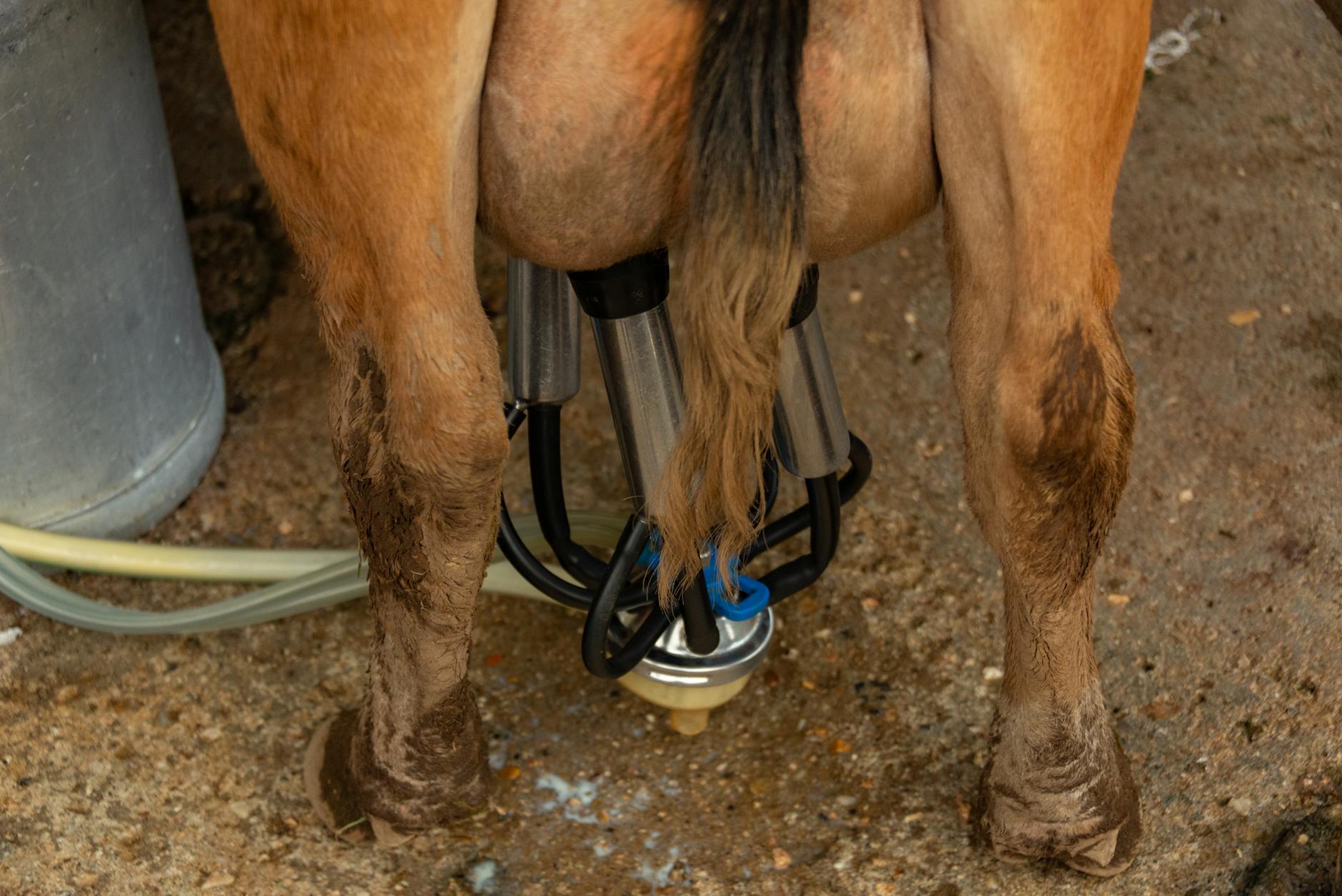
The baby sign language milk sign is made by opening and closing your hand in a squeezing motion, mimicking the action of milking a cow. To perform this sign correctly, hold your dominant hand in front of your chest with fingers extended and slightly apart, then repeatedly squeeze your hand into a loose fist and release it back to an open position””as if you were squeezing a stress ball. Most babies begin using this sign recognizably between eight and twelve months of age when introduced consistently, though your baby may initially produce an approximation that looks more like a general grabbing motion before refining the technique. This sign works particularly well as an early sign because it relates to something babies experience multiple times daily.
A hungry six-month-old who wakes at 2 a.m. cannot tell you what they need, but a ten-month-old who has learned the milk sign can communicate their desire clearly before escalating to crying. One parent reported that her nine-month-old began signing milk while still in the crib, allowing her to prepare a bottle before the baby became fully upset. This article covers the proper technique for teaching the milk sign, when to expect your baby to sign it back, common variations babies produce, how to use the sign throughout daily feeding routines, troubleshooting tips when the sign isn’t working, and how milk connects to other early signs your baby can learn.
Table of Contents
- How Do You Teach the Milk Sign in Baby Sign Language?
- When Do Babies Start Using the Milk Sign?
- Why the Milk Sign Is Often a Baby’s First Sign
- Using the Milk Sign Throughout Daily Feeding Routines
- Common Problems When Teaching the Milk Sign
- Variations of the Milk Sign Across Signing Systems
- Building From Milk to Other Early Signs
- Conclusion
How Do You Teach the Milk Sign in Baby Sign Language?
Teaching the milk sign requires consistent pairing of the gesture with the actual experience of receiving milk. Each time you are about to nurse or offer a bottle, make the sign while saying “milk” clearly. Hold your hand where your baby can see it””typically at your chest level and slightly to the side of the bottle or breast. The key is repetition over weeks, not intensity in a single session. Babies learn through accumulated exposure, and most need to see a sign dozens or even hundreds of times before attempting it themselves. Beyond the feeding moment itself, you can reinforce the sign by using it when you see milk in other contexts.
Point to a carton of milk at the grocery store and sign milk. When an older sibling drinks a glass of milk at dinner, sign and label it. This variety of contexts helps babies understand that the sign represents the concept of milk broadly, not just their own feeding experience. However, avoid overloading your baby with too many signs at once””start with milk alone or alongside just one or two other signs like “more” or “all done” so your baby can focus. One effective comparison: some parents try to teach signs only during dedicated “practice sessions,” while others integrate signs naturally throughout the day. Research and practitioner experience both suggest that naturalistic embedding””signing when the word would naturally occur””produces faster results than artificial drilling. The baby who sees the milk sign during actual feedings learns faster than one whose parent practices the sign randomly during playtime.
When Do Babies Start Using the Milk Sign?
most babies begin producing recognizable signs between eight and fourteen months of age, assuming consistent exposure started around six months. However, there is enormous individual variation in this timeline. Some babies sign milk as early as seven months, while others who are exposed just as consistently may not produce the sign until after their first birthday. This variation reflects differences in motor development, attention, and individual temperament rather than intelligence or parental effort. The first attempts at the milk sign rarely look like the adult version.
Your baby might squeeze one hand against their thigh, open and close their fist near their mouth, or make the motion with both hands simultaneously. These approximations count as successful signing””your baby is demonstrating understanding of the communication concept even if the motor execution isn’t perfect yet. Respond to these early attempts as if they were perfectly formed signs, which encourages your baby to keep trying. However, if your baby is over fourteen months old, has been exposed to the milk sign consistently for two or more months, and shows no attempt at producing it or any other sign, it may be worth discussing with your pediatrician. While this delay is often within normal range, it can occasionally indicate hearing difficulties or developmental concerns worth investigating. The limitation here is important: most “late signers” simply need more time, but ruling out underlying issues provides peace of mind.
Why the Milk Sign Is Often a Baby’s First Sign
The milk sign frequently becomes a baby’s first successful sign because of its combination of high motivation, frequent opportunity, and relatively simple motor pattern. Babies want milk urgently and regularly, which creates strong motivation to communicate about it. They encounter milk multiple times daily, providing numerous learning opportunities. And the squeezing motion, while not perfectly easy, uses gross motor control that develops earlier than the fine motor precision required for some other signs. Consider the contrast with a sign like “bird,” which might be interesting but rarely urgent and only relevant when a bird happens to be visible. The milk sign succeeds because need and opportunity align.
A hungry baby has immediate motivation to communicate, and the feeding context provides the parent an obvious moment to model the sign. This combination of factors makes milk a more practical first sign than many alternatives, even if other signs might seem simpler to produce. That said, milk is not the ideal first sign for every baby. Babies who are breastfed exclusively and nurse on demand may have less distinct “milk moments” to associate with the sign compared to bottle-fed babies who see a bottle being prepared. For these babies, signs like “more” or “all done”””which apply across multiple contexts including solid food meals””sometimes click faster. The best first sign is whichever one your baby has both motivation to use and clear, repeated opportunities to observe.
Using the Milk Sign Throughout Daily Feeding Routines
Integrating the milk sign into your daily routine means signing consistently at predictable moments rather than randomly. Sign milk when you begin preparing a bottle””the sound of the formula container or the sight of you reaching for nursing position can become cues that help your baby anticipate both the milk and the sign. Sign again as you offer the bottle or breast. After feeding, you might sign milk while asking “did you like your milk?” even though your baby cannot yet respond verbally. The feeding routine offers natural repetition without artificial practice sessions. A baby who feeds six to eight times daily in the early months sees the milk sign six to eight times daily without any extra effort from parents.
This accumulated exposure adds up quickly: within a month, your baby may have seen the sign nearly two hundred times. Compare this to a sign you might use only once daily””your baby would need much longer to accumulate equivalent exposure. One tradeoff to consider is whether to sign while actively feeding or only before and after. Some parents find that signing during feeding distracts the baby, while others report that this is exactly when their baby pays the most attention. Observe your own child’s responses. If your baby loses focus on feeding when you sign, shift to signing only in the moments before you begin and after you finish. If your baby seems to watch your hands with interest while nursing, continuing to sign occasionally during feeding may reinforce the connection.
Common Problems When Teaching the Milk Sign
The most frequent problem parents report is that their baby seems to understand the milk sign but won’t produce it. This is actually normal rather than a problem””receptive language (understanding) consistently develops before expressive language (production) in both signing and spoken language. Your baby may demonstrate understanding by becoming excited when you sign milk, looking toward the bottle, or calming down in anticipation of feeding, even weeks or months before attempting the sign themselves. Patience during this receptive phase is essential. Another common issue is inconsistency among caregivers. If one parent signs milk but the other parent, grandparent, or daycare provider does not, the baby receives mixed signals that can slow learning.
The solution is communicating with all caregivers about which signs you are teaching and how to produce them. A brief demonstration is usually sufficient””the milk sign is intuitive enough that most adults can learn it in seconds. Sharing a simple video or image can help ensure everyone uses the same gesture. A warning for parents who expect immediate results: baby sign language requires weeks to months of consistent input before producing output. If you have been signing milk for only one or two weeks and feel frustrated that your baby isn’t signing back, you are measuring too early. Signs typically require at least four to six weeks of consistent exposure before babies begin attempting them, and many babies need considerably longer. Giving up after two weeks and concluding “sign language doesn’t work for my baby” misunderstands the normal timeline.

Variations of the Milk Sign Across Signing Systems
The milk sign described in this article comes from American Sign Language (ASL), but slight variations exist across different baby sign language programs and regional signing systems. Some programs teach a two-handed version where both hands squeeze simultaneously. British Sign Language uses a different sign entirely for milk. If you are using a specific baby sign language curriculum, follow their version for consistency, but know that the ASL milk sign is widely recognized.
Babies themselves often create their own variations. One family reported that their daughter signed milk by patting her chest rather than squeezing her fist, having apparently connected the sign with breastfeeding location rather than the hand motion. As long as your baby uses their variation consistently and you understand what they mean, this “baby-modified” sign is perfectly functional communication. You can gently model the standard form over time while accepting their approximation.
Building From Milk to Other Early Signs
Once your baby masters the milk sign, you have established a communication foundation that makes additional signs easier to teach. Many families add “more” and “all done” next, creating a trio of mealtime signs that cover most feeding-related communication needs. The process for teaching these follows the same principles as milk: consistent pairing with the relevant moment, patience through the receptive phase, and acceptance of baby-modified approximations.
The milk sign also demonstrates to your baby that gestures can communicate meaning, which may accelerate learning of subsequent signs. Babies who successfully communicate with one sign often show increased attention to hand movements generally, having learned that hands convey information. This “signing awareness” can make your second and third signs faster to teach than the first, as your baby now understands the game you are playing together.
Conclusion
The baby sign language milk sign””a simple squeezing motion of the hand””gives babies a way to communicate one of their most fundamental needs before they can speak. Teaching it requires nothing more than consistent repetition during natural feeding moments, patience through the weeks or months before your baby signs back, and acceptance of whatever approximation your baby initially produces. Most babies can learn this sign between eight and fourteen months of age when exposed consistently from around six months.
From this foundation, you can expand into other mealtime signs and eventually a broader vocabulary that reduces frustration for both baby and parent. Start signing milk today at your next feeding, continue consistently for at least two months before evaluating results, and watch for your baby’s unique version of the sign to emerge. The early investment of repetition pays off when your baby can tell you what they need instead of crying and hoping you guess correctly.