
The best baby sign language signs to teach first are those connected to your child’s immediate needs and daily routines: **milk, more, all done, eat,** and **help**. These five signs form the foundation because they address the most frequent sources of frustration for pre-verbal babies””hunger, wanting something to continue or stop, and needing assistance. A baby who can sign “milk” at six months old instead of crying and leaving parents guessing experiences less frustration, and parents gain a window into their child’s mind months before spoken words emerge. Beyond these essential five, the next tier of useful early signs includes **water, sleep, diaper, hurt,** and **please**. These expand communication into comfort, manners, and bodily awareness.
For example, a toddler who wakes from a nap and signs “water” is communicating a specific need rather than simply fussing. This article will walk you through why certain signs work better as starters, how to introduce them effectively, what to do when progress seems slow, and how to build toward a larger signing vocabulary once your baby masters the basics. The order in which you introduce signs matters more than most parents realize. Teaching abstract concepts like “love” or “happy” before concrete needs like “eat” often leads to slower uptake because babies struggle to connect signs with things they cannot see or touch. Starting with tangible, high-motivation signs creates early wins that build confidence for both parent and child.
Table of Contents
- What Makes Certain Signs Easier for Babies to Learn First?
- When Should You Start Teaching Baby Sign Language?
- Building Beyond the Basics: Second-Tier Signs Worth Teaching
- Why Some Babies Resist Signing and What to Do About It
- Signing at Different Times of Day: Maximizing Practice Opportunities
- The Transition from Signing to Speaking
- Conclusion
What Makes Certain Signs Easier for Babies to Learn First?
The signs babies learn fastest share three characteristics: they involve simple hand movements, they connect to immediate desires, and they occur in repetitive daily contexts. “More” works well because it uses a basic motion (fingertips tapping together), it relates to something babies desperately want (continued food, play, or attention), and it applies dozens of times per day. Compare this to a sign like “bird,” which requires a pinching motion near the mouth, relates to something the baby has no urgent feelings about, and might only be relevant during occasional outdoor time. Motor development plays a significant role in which signs babies can physically produce. Signs that require fine finger movements, like the letter signs in fingerspelling, are nearly impossible for babies under twelve months because their fine motor skills have not developed sufficiently. Signs using the whole hand, fist, or simple open-close motions are physically accessible much earlier.
“Milk,” which involves squeezing the fist as if milking a cow, works well because even a six-month-old can approximate this motion. Frequency of opportunity also determines success. A sign you can model fifteen times a day will stick faster than one you use twice a week. This is why food-related signs dominate most “first signs” lists””babies eat multiple times daily, creating constant natural practice. One research observation found that babies exposed to “more” at every meal and snack typically produced the sign within two to four weeks, while signs used only at bedtime took significantly longer to emerge. ## The essential First Five Signs and How to Teach Them.
- *Milk** is often a baby’s first sign because it connects to their most primal need. Form it by opening and closing your fist repeatedly, as if squeezing an udder. Show this sign every time you prepare to nurse or offer a bottle, saying “milk” aloud as you sign. Most babies will produce a version of this sign””often imprecise at first””between seven and ten months if you start around six months.
- *More** follows naturally and becomes perhaps the most versatile early sign. Bring your fingertips together on both hands and tap them against each other. Use it during feeding when your baby wants additional bites, during play when they want you to repeat an action, and during reading when they want to see a page again. The limitation here is that some babies become so attached to “more” that they use it for everything, essentially turning it into a general request signal rather than a specific communication. If this happens, temporarily emphasize other signs while still honoring the “more” request.
- *All done** provides babies with crucial power to end activities they no longer want. Wave both hands with palms facing outward, similar to a “ta-da” gesture. This sign prevents the common scenario where a baby is done eating but has no way to communicate it except throwing food or crying. **Eat** (fingertips to mouth repeatedly) and **help** (one fist placed on the open palm of the other hand, lifting upward) round out the essential five. A baby who masters these can communicate hunger, desire for continuation, completion, and the need for assistance””covering most daily frustration points.

When Should You Start Teaching Baby Sign Language?
Most experts recommend introducing signs between six and eight months of age, though language.com/index.php/2026/01/24/can-babies-learn-sign-language-at-12-months/” title=”Can Babies Learn Sign Language at 12 Months”>babies typically will not sign back until eight to twelve months at the earliest. Starting at six months allows ample exposure time before motor skills and cognitive development align to produce signs. However, if your baby is four months old and you want to begin, there is no harm in early exposure””you simply should not expect reciprocation for several more months. The readiness signs to watch for include your baby tracking your hand movements with their eyes, imitating simple gestures like waving, and showing clear preferences during activities (reaching for more food, pushing away a bottle when done). These behaviors indicate the cognitive foundation is forming.
However, if your baby is twelve months old and you have not started, you have not missed a critical window. Older babies often learn signs faster because their motor skills and comprehension are more developed, though they may also be closer to spoken language emergence, which could make the signing phase briefer. One common mistake is expecting signing to follow the same timeline for every baby. A baby in a bilingual household, a baby with older siblings who talk constantly, or a baby with different developmental priorities may sign earlier or later than average. Some babies who seem uninterested in signing suddenly produce five signs in one week after months of apparent non-response. The research suggests continuing consistent modeling for at least three months before concluding that signing is not working for your particular child.
Building Beyond the Basics: Second-Tier Signs Worth Teaching
Once your baby consistently uses three or more of the essential signs, you can expand the vocabulary based on your family’s specific needs. **Water** makes sense if your baby drinks water regularly or enjoys bath time. **Sleep** helps toddlers communicate tiredness before meltdowns occur. **Diaper** gives older babies a way to indicate discomfort or, eventually, readiness for potty training. **Hurt/pain** becomes crucial when you need to know where something is wrong. The expansion path differs between families, and this is where personalization matters. A family with a dog might prioritize **dog** as a sixth or seventh sign because the baby sees the pet constantly.
A family that reads extensively together might add **book** early. The principle remains the same: choose signs for things your baby encounters frequently and has feelings about. Abstract concepts like colors, numbers, or emotions should wait until the concrete foundation is solid””typically after twenty or more practical signs are in use. There is a tradeoff between breadth and depth when expanding vocabulary. Some parents rush to teach fifty signs, resulting in shallow familiarity with many but mastery of few. Other parents drill the same ten signs repeatedly, creating strong competence but limited range. The middle path involves introducing one or two new signs per week while continuing to reinforce established ones. New signs should appear in context, not as isolated lessons””introduce “hat” while putting on a hat, not while sitting in the living room with no hat present.

Why Some Babies Resist Signing and What to Do About It
Not every baby takes to signing with enthusiasm, and this does not indicate a problem with the baby or the teaching. Some babies are more verbally oriented and skip directly to early speech, making signing feel redundant to them. Others have temperaments that resist imitation or prefer to observe longer before participating. A baby who is not signing back after consistent exposure for three to four months may simply need a different approach rather than more of the same. One effective adjustment is shifting from direct instruction to environmental saturation.
Instead of explicitly trying to teach signs during dedicated moments, simply use signs constantly in your natural speech without drawing attention to the teaching aspect. Some babies resist performing but absorb passively, eventually surprising parents with signs they were never explicitly “taught.” Another adjustment involves recruiting other family members””babies sometimes respond better to signing from siblings or from the parent they see less frequently. The warning here is against interpreting slow signing progress as a developmental red flag in isolation. Signing delays are not correlated with speech delays or cognitive issues; they simply reflect individual variation in interest and motor development. However, if your baby is also not making eye contact, not responding to their name, not imitating any gestures (including waving or clapping), and showing other concerning patterns, discuss these with a pediatrician””but the signing piece alone should not cause alarm.
Signing at Different Times of Day: Maximizing Practice Opportunities
Mealtimes offer the densest signing practice because so many relevant signs occur naturally: eat, more, all done, milk, water, and eventually specific food names. The physical constraint of a high chair also keeps baby’s attention focused forward where they can see your hands. However, the challenge is that parents often rush through meals, especially breakfast when morning schedules are tight. Deliberately slowing down at least one meal per day to emphasize signing communication pays dividends.
Diaper changes provide another reliable context, though the signs are more limited””primarily diaper, all done, and help. The advantage is the face-to-face positioning and the captive audience. Bedtime routines support signs like sleep, book, milk, and all done. Play time allows for the widest variety: more, all done, help, ball, doll, and countless others depending on activities. The accumulation of signing across multiple daily contexts creates the repetition necessary for learning without the tedium of drilling.
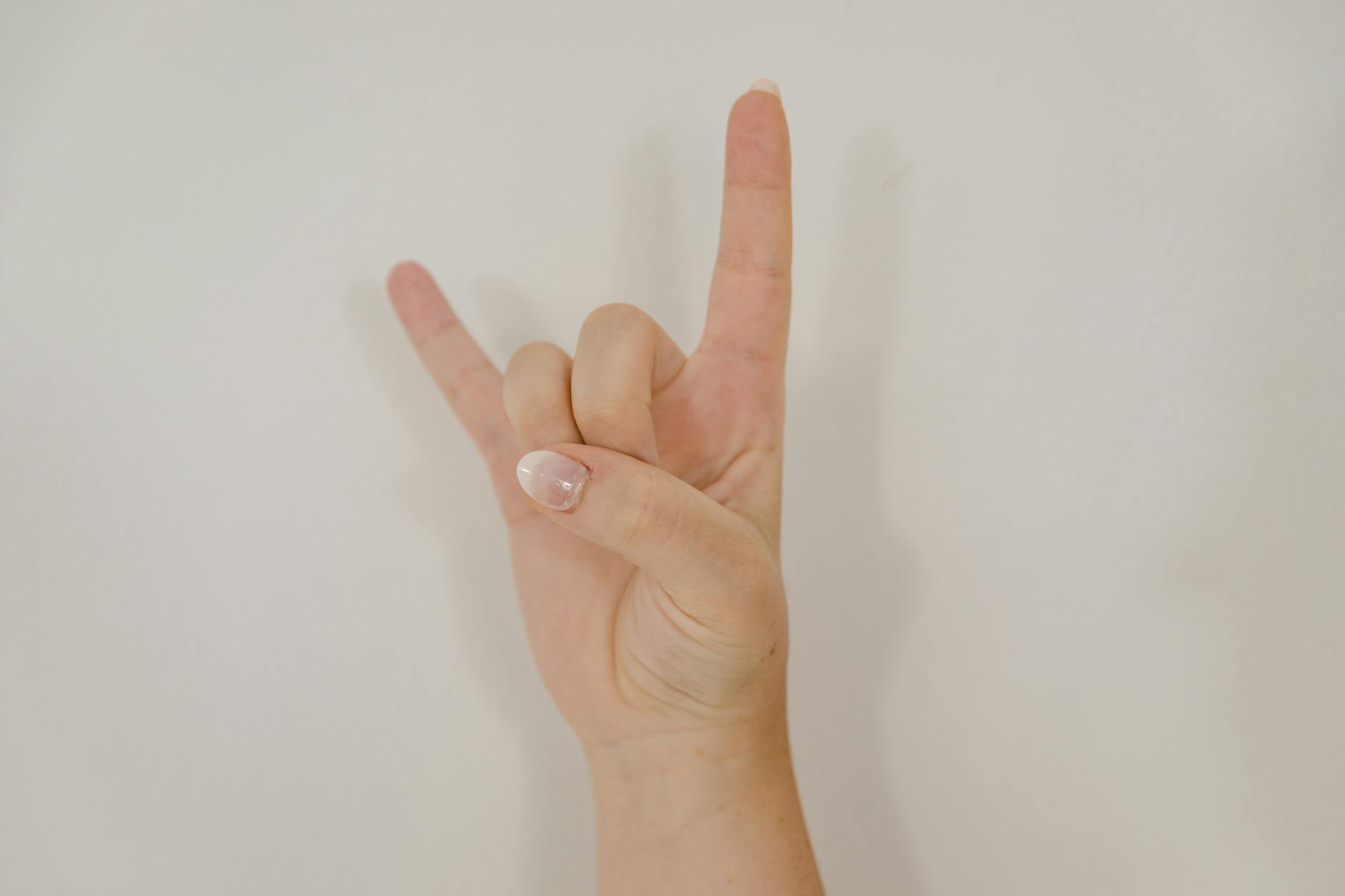
The Transition from Signing to Speaking
Babies who sign typically begin speaking around the same age as non-signers, though some studies suggest signing babies may have slightly larger early spoken vocabularies. The transition period, when babies use both signs and words, often lasts several months.
During this phase, a baby might sign “milk” while also saying an approximation like “muh” or sign “more” while saying “mo.” Most babies naturally drop signs as their spoken equivalents become reliable, though some retain favorite signs longer or continue using signs when their mouths are full. Parents do not need to actively discourage signing to encourage speech””the transition happens organically as speech becomes more efficient. Some families choose to continue signing indefinitely, moving into American Sign Language education as the child grows, while others let signing fade once spoken communication is established.
Conclusion
The most effective approach to baby sign language starts with high-frequency, high-motivation signs like milk, more, all done, eat, and help. These address daily frustrations and create early communication wins that build momentum for expanded vocabulary.
Success depends less on following a rigid program and more on consistent modeling across natural daily contexts, patience with individual timelines, and willingness to adjust approaches when progress stalls. Your next steps should include selecting your starting signs based on your baby’s current sources of frustration, identifying three or four daily contexts where you will model these signs consistently, and setting realistic expectations””initial signs typically emerge after six to twelve weeks of exposure, with some babies taking longer. Focus on the connection and communication rather than hitting milestones by specific dates, and remember that even imprecise baby versions of signs count as successful communication.