
Baby sign language for infants works by giving babies a way to communicate their needs before they can speak, typically starting between 6 and 9 months of age when motor skills develop faster than verbal abilities. Infants can learn to use simple hand gestures””like bringing their fingertips together for “more” or touching their lips for “eat”””to express hunger, discomfort, or interest in objects around them. A 7-month-old who learns the sign for milk, for instance, can tell a parent when they want to nurse rather than crying and leaving the caregiver guessing at what is wrong.
Teaching sign language to infants does not require any special training or fluency in American Sign Language. Parents and caregivers introduce signs consistently during daily activities””signing “milk” before each feeding, “bath” before getting into the tub””and most babies begin signing back within two to four months of regular exposure. This article covers the ideal age to start, which signs work best for infants, how to teach effectively without creating frustration, common mistakes parents make, and what research says about long-term benefits.
Table of Contents
- When Can Infants Start Learning Baby Sign Language?
- Key Signs That Work Best for Young Infants
- How Infant Sign Language Differs From Toddler Sign Language
- Teaching Methods That Work Best for Infants
- Common Challenges When Teaching Sign Language to Infants
- Signs of Success and Progress in Infant Signing
- Long-Term Benefits of Starting Sign Language in Infancy
- Conclusion
When Can Infants Start Learning Baby Sign Language?
Most infants are developmentally ready to begin learning sign language between 6 and 9 months old. At this stage, babies have typically gained enough hand-eye coordination to observe and attempt simple gestures, even if their initial attempts are imprecise. A baby might wave their whole hand instead of forming a perfect sign, but this approximation still counts as communication. Starting too early””say, at 3 months””is not harmful, but parents should not expect any signing back.
Very young infants lack the motor control and cognitive development to reproduce gestures intentionally. The exposure still has value because babies absorb language passively, but the interactive back-and-forth communication typically emerges after 6 months. Parents who begin at this stage often report seeing their first signed response between 8 and 12 months. However, if your infant shows early signs of reaching developmental milestones ahead of schedule””sitting independently at 5 months, for example””they may respond to sign language earlier than typical timelines suggest. Conversely, premature babies or those with developmental differences may need adjusted expectations based on their corrected age rather than their birth date.
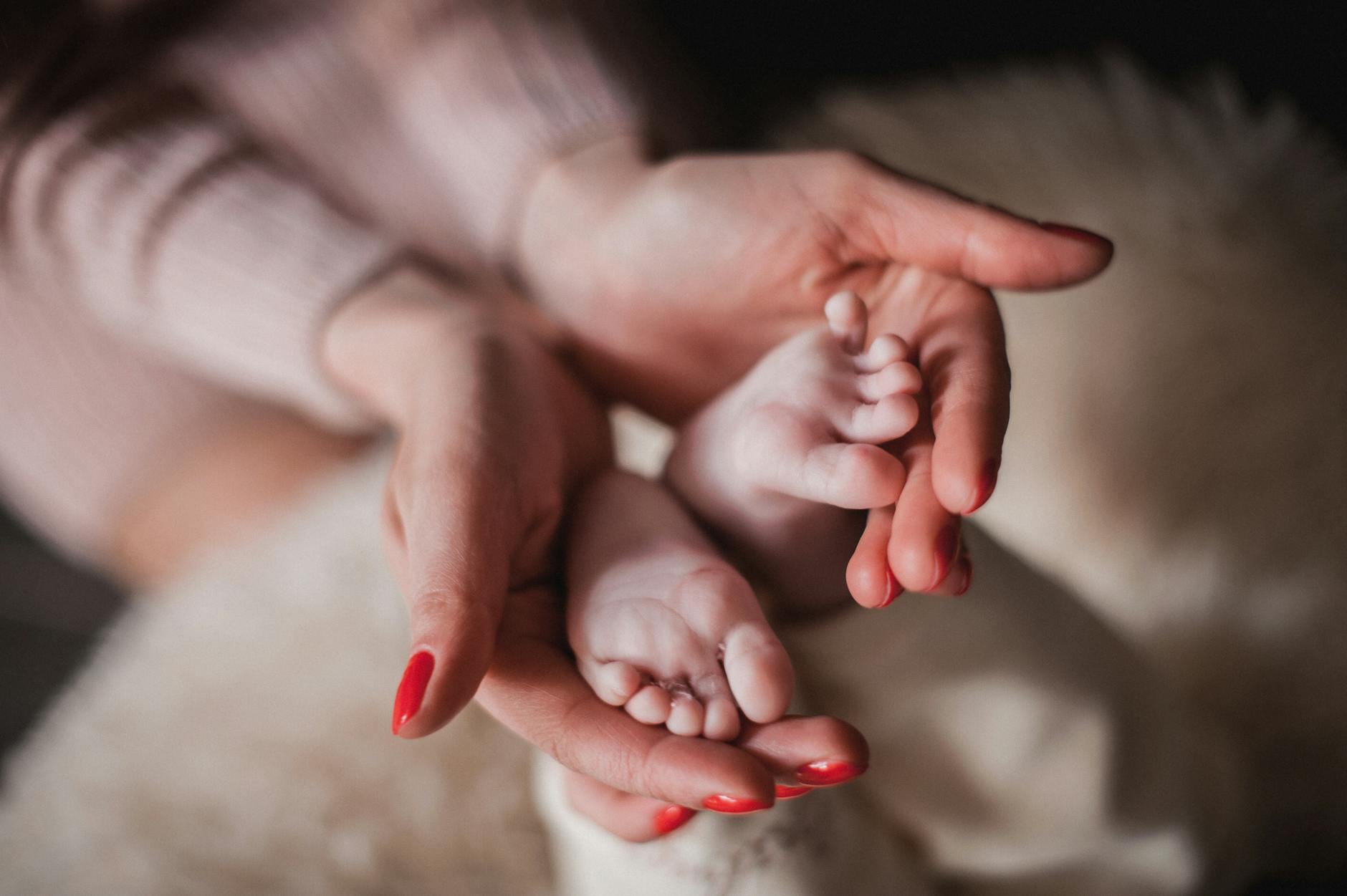
Key Signs That Work Best for Young Infants
The most effective first signs for infants relate directly to their immediate needs and daily routines. “Milk,” “more,” “all done,” and “eat” rank among the most useful because they address situations that cause frequent crying or frustration. When a hungry infant can sign for milk rather than escalating to a full cry, both baby and parent experience less stress. Signs for “help,” “hurt,” and “diaper change” prove valuable as infants approach their first birthday.
These signs give babies a way to communicate physical discomfort before they have words. A 10-month-old who signs “hurt” while touching their ear can alert a parent to a potential ear infection days before symptoms become severe enough to cause noticeable distress. Abstract concepts like colors, numbers, or animals are less immediately practical for young infants, though they can be introduced later for enrichment. The comparison matters: signs tied to basic needs get used multiple times daily, which reinforces learning, while a sign for “elephant” might only come up during zoo visits or picture book readings. Prioritizing high-frequency signs first builds momentum and demonstrates the utility of signing to both infant and caregiver.
How Infant Sign Language Differs From Toddler Sign Language
Infants and toddlers learn signs through similar methods, but their usage patterns and sign vocabularies differ substantially. Infants typically use single signs in isolation””one sign to express one immediate need””while toddlers often combine signs or pair signs with emerging spoken words to create rudimentary sentences like “more milk” or “daddy help.” Infant sign language also requires more patience and repetition from caregivers. An infant may need to see a sign performed dozens or even hundreds of times before attempting it, whereas toddlers with their advanced cognitive development might pick up new signs after just a few exposures. This does not mean infant teaching is less effective; it simply reflects the developmental stage.
One limitation specific to infant sign language involves memory and recall. Infants younger than 9 months may forget signs they do not encounter for several days. A family that teaches “airplane” during a single flight but never uses it again will likely find their infant does not retain that sign. Toddlers, by contrast, can often recall signs from longer gaps in exposure. For infants, consistent daily practice with a small set of core signs works better than introducing many signs sporadically.

Teaching Methods That Work Best for Infants
The most effective approach for teaching infants involves signing during natural routines rather than dedicated practice sessions. Every diaper change, feeding, and bath time becomes an opportunity to introduce and reinforce signs. Say the word aloud while making the sign, maintain eye contact with your baby, and perform the sign within their line of sight. A parent who consistently signs “milk” before each nursing session for six weeks will likely see results. Physical guidance””gently moving your baby’s hands into the sign shape””can help, but many experts recommend using this technique sparingly. Some infants resist having their hands manipulated, and forcing the interaction can create negative associations with signing.
A better approach involves signing enthusiastically yourself and celebrating any attempt your baby makes, even if their hand shape is imprecise. The sign for “more” might look like clapping at first, but responding positively reinforces the communication attempt. Comparing teaching strategies: flashcards and videos serve as supplementary tools but should not replace live interaction. Research indicates that infants learn language””spoken or signed””most effectively from responsive human caregivers rather than screens. A 2014 study found that babies exposed to sign language primarily through videos showed significantly less sign acquisition than those who learned from in-person demonstrations. Videos can help parents learn signs themselves, but the infant needs to see those signs from a real person who responds to them.
Common Challenges When Teaching Sign Language to Infants
Many parents give up on infant sign language after a few weeks of seeing no response, which represents the most common mistake in this process. The typical timeline requires two to four months of consistent signing before babies sign back, yet expectations shaped by social media sometimes suggest faster results. A parent who stops after three weeks misses the payoff that often arrives in week eight or ten. Another challenge involves inconsistency among caregivers. If one parent signs consistently but the other does not, or if daycare providers are not involved in the process, infants receive mixed signals about whether signing is a useful communication tool.
Ideally, anyone who spends significant time with the infant should know at least the core signs being taught. A critical warning: some infants understand signs long before they produce them. A baby might respond appropriately when a parent signs “milk”””by getting excited or moving toward the nursing position””without ever making the sign themselves. Parents who interpret this as failure may abandon the practice, not realizing their infant has actually learned the receptive component. If your baby clearly recognizes signs but does not produce them by 12 to 14 months, consult a pediatrician to rule out motor development concerns, but do not assume the teaching has failed.
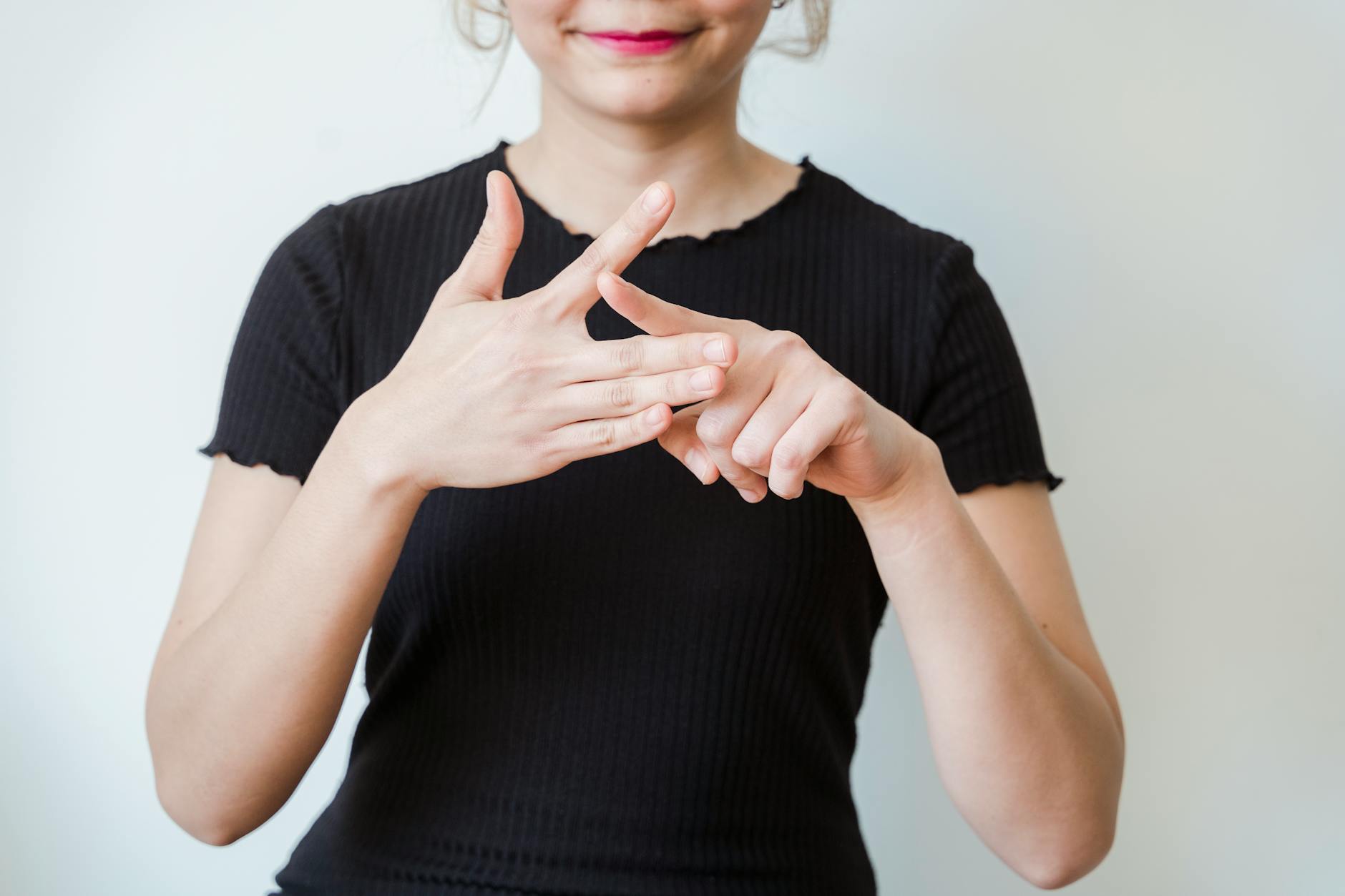
Signs of Success and Progress in Infant Signing
Recognizing progress in infant sign language often requires knowing what subtle cues to look for. Before producing true signs, most infants go through a stage of attempting approximations. The sign for “more” involves touching fingertips together, but a baby’s version might look like waving both hands or clapping. These approximations indicate that your infant understands the concept and is attempting to communicate.
A 9-month-old named Lily, documented in a parenting case study, spent two months watching her mother sign “eat” before meals without ever responding. In month three, she began smacking her lips when seeing the sign””not the correct hand motion, but a clear attempt at communication. By month four, she was signing “eat” accurately enough for anyone to recognize it. Her progression illustrates how infants often need extended receptive periods before expressive signing emerges.
Long-Term Benefits of Starting Sign Language in Infancy
Research on early sign language exposure suggests benefits that extend beyond the infant period. Studies from the University of California found that babies who learned sign language as infants scored higher on later IQ tests and developed larger spoken vocabularies by age 2 compared to non-signing peers. While these studies have faced some criticism for small sample sizes, the overall body of evidence suggests cognitive benefits.
Perhaps more significantly, parents who use infant sign language often report stronger bonding and reduced frustration during the pre-verbal period. When a 10-month-old can sign “hurt” rather than screaming inconsolably, caregivers feel more competent and babies experience less distress. These emotional benefits may matter as much as any cognitive gains, particularly for families navigating the exhausting first year of parenting.
Conclusion
Baby sign language offers infants a bridge between their desire to communicate and their still-developing verbal abilities. Starting between 6 and 9 months with high-frequency signs like “milk,” “more,” and “all done” gives babies the tools to express basic needs while building a foundation that supports later language development. The key requirements include consistent daily practice, patience through the two-to-four-month waiting period, and involvement from all regular caregivers.
Parents interested in starting should choose three to five signs related to daily routines and commit to using them at every relevant opportunity for at least eight weeks before evaluating results. Sign during feedings, diaper changes, and play time. Respond positively to any approximation your baby attempts. Most infants who receive consistent exposure will reward that patience with their first signs before their first birthday, opening a new channel of communication that benefits the whole family.